
 Buy
Buy Sell
Sell Exchange





Jewellery
How to Find Your Ring Size
Jan
Finding the correct ring size is one of the most important steps when choosing fine jewellery. Whether you are buying a ring for yourself or selecting a meaningful gift, the right fit affects comfort, security and how the ring wears over time.
Ring sizing can feel confusing, particularly for engagement rings or surprise purchases, but it does not need to be. With the right approach and an understanding of how sizing works, it is possible to find a size that feels comfortable and secure from the first wear and for years to come.
This guide explains how ring sizing works in the UK, the most reliable ways to measure, common mistakes to avoid and when professional advice makes the biggest difference.
Explore rings at Trotters.
Why Ring Size Is So Important
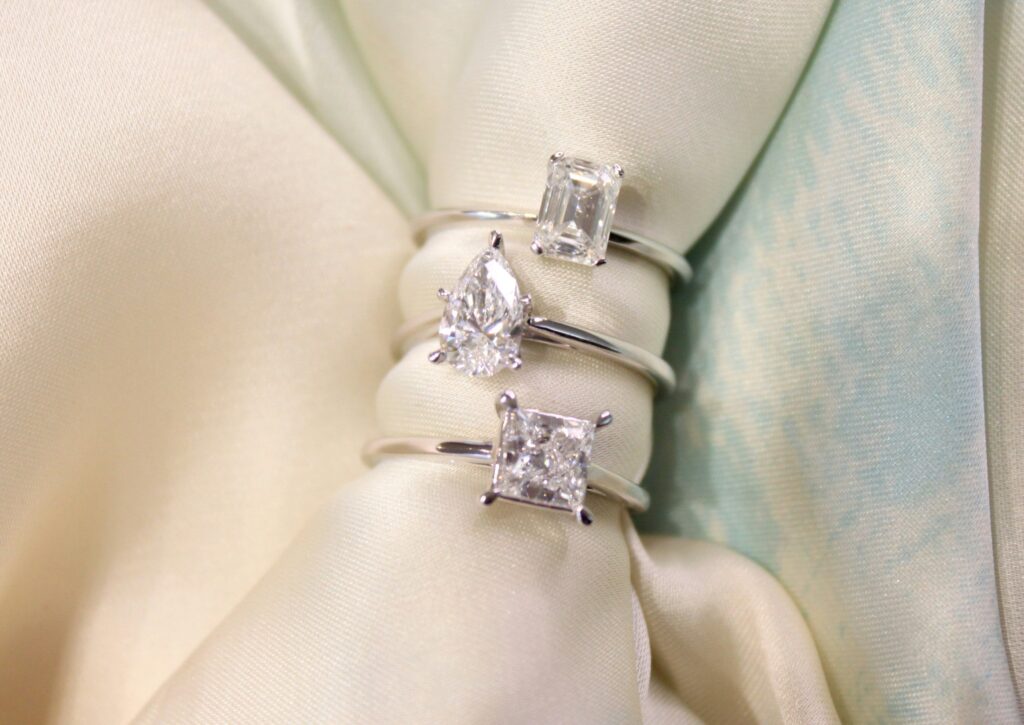
A ring should feel like a natural extension of the hand. When sized correctly, it slides over the knuckle with slight resistance and sits comfortably at the base of the finger without feeling tight.
- Poor sizing can cause several issues:
- Rings that are too tight can feel uncomfortable, restrict movement and be difficult to remove
- Rings that are too loose may spin, feel unbalanced or risk slipping off
- Incorrect sizing can place stress on settings, particularly with diamond-set designs
- Frequent resizing can affect the integrity of the band over time
For engagement rings and milestone jewellery, correct sizing also ensures the moment itself is as seamless and memorable as possible.
Understanding UK Ring Sizes
Ring sizing systems vary internationally, which can cause confusion when buying jewellery from abroad or gifting to someone who uses a different standard. In the UK, ring sizes are measured using letters, while the US uses numbers and the EU uses millimetre measurements based on internal circumference.
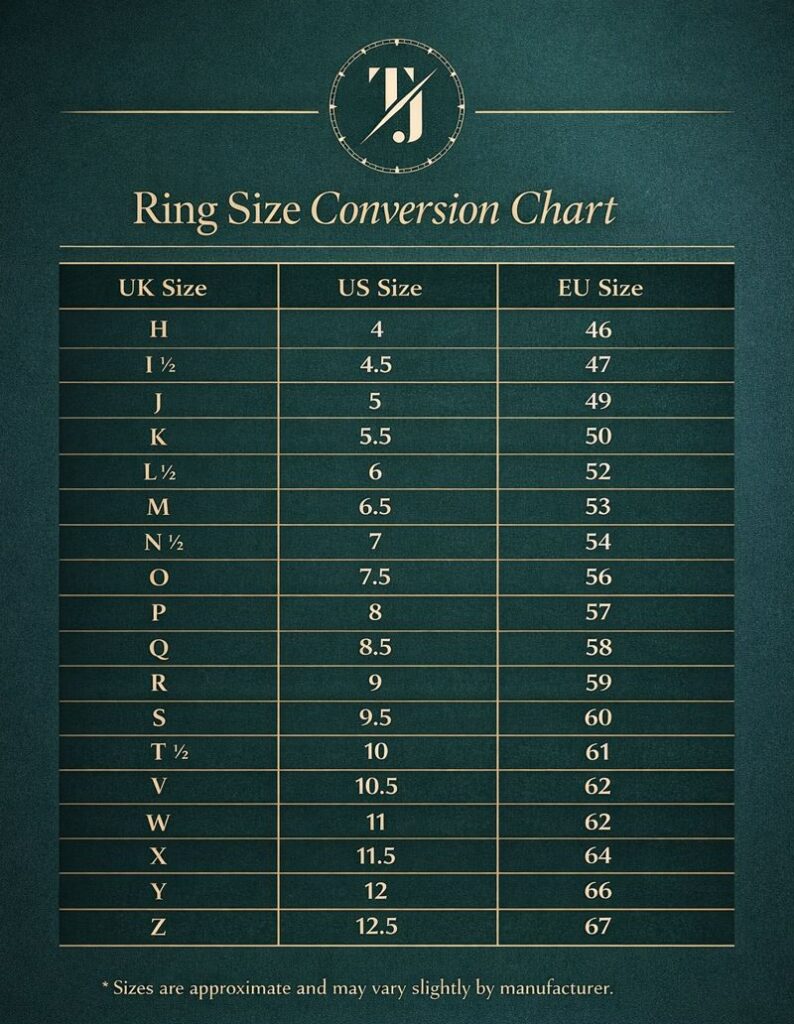
While conversion charts are useful as a guide, it is important to understand that ring size conversions are approximate rather than exact. Differences in band width, ring profile and manufacturing tolerances mean that a converted size may not feel identical across regions. For this reason, UK sizing should always be used when purchasing from a UK jeweller.
For international shoppers or gift buyers, conversion charts offer a helpful reference point, but professional sizing or confirmation in UK sizes remains the most reliable option.
Ring sizes in the UK are measured using a letter-based system, starting from A and increasing in small increments. Each letter corresponds to a precise internal circumference of the ring.
Key points to understand
- UK sizing uses letters, not numbers
- Small differences between sizes can noticeably affect fit
- UK sizes differ from US and European systems
- Always use a UK-specific ring size guide when purchasing from a UK jeweller
Even half a size difference can change how a ring feels, especially for wider bands or diamond rings.
How to Measure Your Ring Size at Home
Home sizing methods can provide a useful starting point, particularly when visiting a jeweller is not immediately possible. Accuracy improves when measurements are taken carefully and repeated.
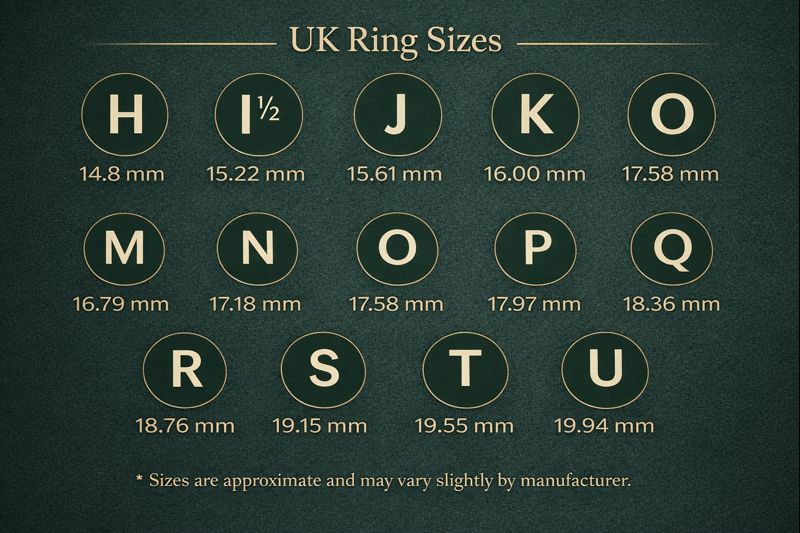
Measuring an Existing Ring
If you already own a ring that fits comfortably on the intended finger, this can be one of the most reliable home methods. This method works best for plain bands and everyday rings that already feel secure.
Best practice
- Measure the internal diameter of the ring, not the outer edge
- Ensure the ring fits the correct finger on the correct hand
- Compare the measurement against a UK ring size chart
- Avoid rings that feel loose or tight, as this will affect accuracy
Measuring Your Finger Directly
Measuring the finger itself can also be effective when done carefully. Avoid pulling tightly, as this can result in a ring that feels uncomfortable once worn.
How to measure your finger
- Use a thin strip of paper or string
- Wrap it comfortably around the base of the finger
- Mark where it overlaps and measure the length
- Repeat the process at least twice for consistency
Trotters Top Tip: Finger size can change slightly throughout the day. Measuring at different times often gives a more reliable average.
Factors That Can Affect Ring Size 
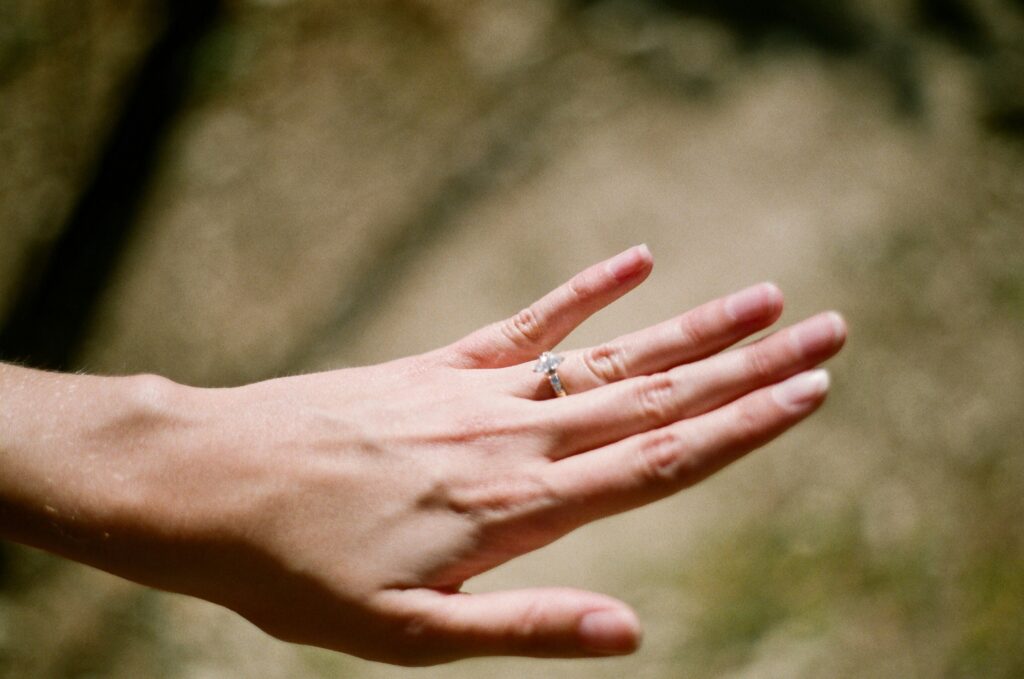
Ring sizing is not static. Several everyday factors can influence how a ring fits from one day to the next.
Temperature
Cold weather can cause fingers to shrink slightly, while warmth can lead to swelling. Measuring when hands are extremely cold or hot can distort results.
Time of Day
Fingers often swell slightly later in the day. Midday or early evening measurements tend to be more representative than first thing in the morning.
Knuckle Size
Some fingers have wider knuckles than the base. In these cases, the ring must be large enough to pass over the knuckle while still fitting securely once in place.
Finding a Ring Size for a Proposal
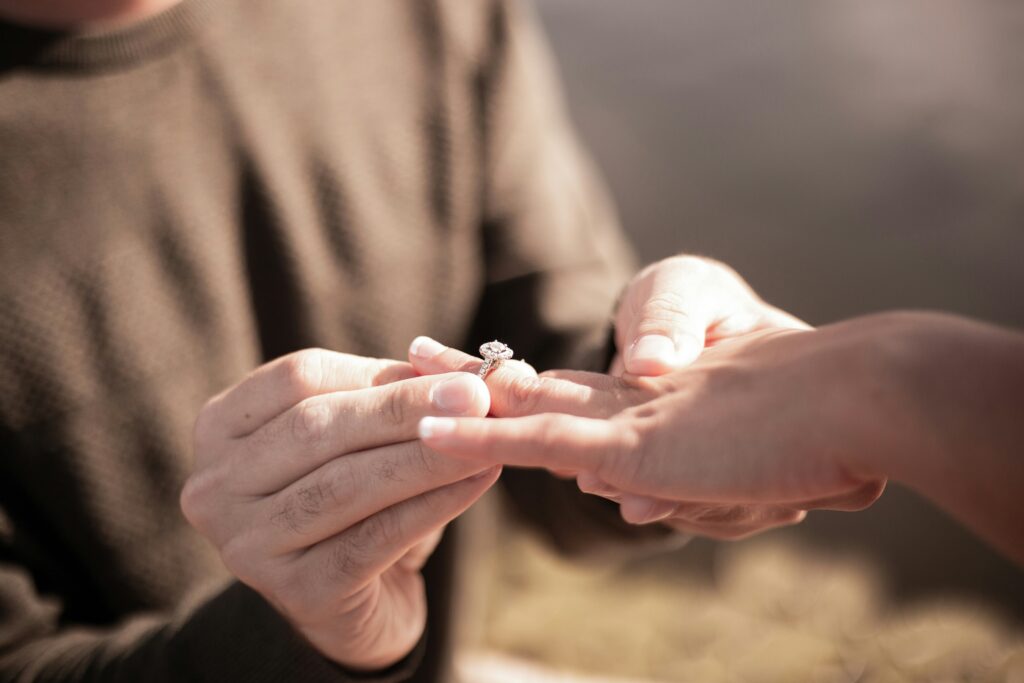
Buying a ring as a surprise is common, particularly for engagements, and there are discreet ways to approach sizing without spoiling the moment!
Engagement Ring Fit vs Everyday Rings
Engagement rings are often worn differently to other jewellery and are expected to remain on the finger for most daily activities. For this reason, fit plays a particularly important role.
Many engagement rings are chosen with a balance between comfort and security in mind. The ring should sit firmly enough to avoid spinning or catching, while still allowing easy movement over the knuckle. Designs with centre stones may also feel different to plain bands, which can influence how snug the ring feels. Everyday rings, such as fashion or stacking rings, may allow for a slightly looser fit depending on how they are worn. Engagement rings, by contrast, benefit from careful sizing to ensure they remain comfortable and secure throughout daily life.
Practical options to help with popping the question;
- Borrow a ring that is already worn on the correct finger
- Ask close friends or family members if they know the size
- Use average sizing as a starting point when no information is available
- If guessing, choosing a slightly larger size is usually safer
Trotters Top Tip: Resizing a ring down is often easier than increasing the size, especially for diamond-set designs.
Explore engagement rings at Trotters, with expert support to help you find the right fit.
When Professional Ring Sizing Is Recommended
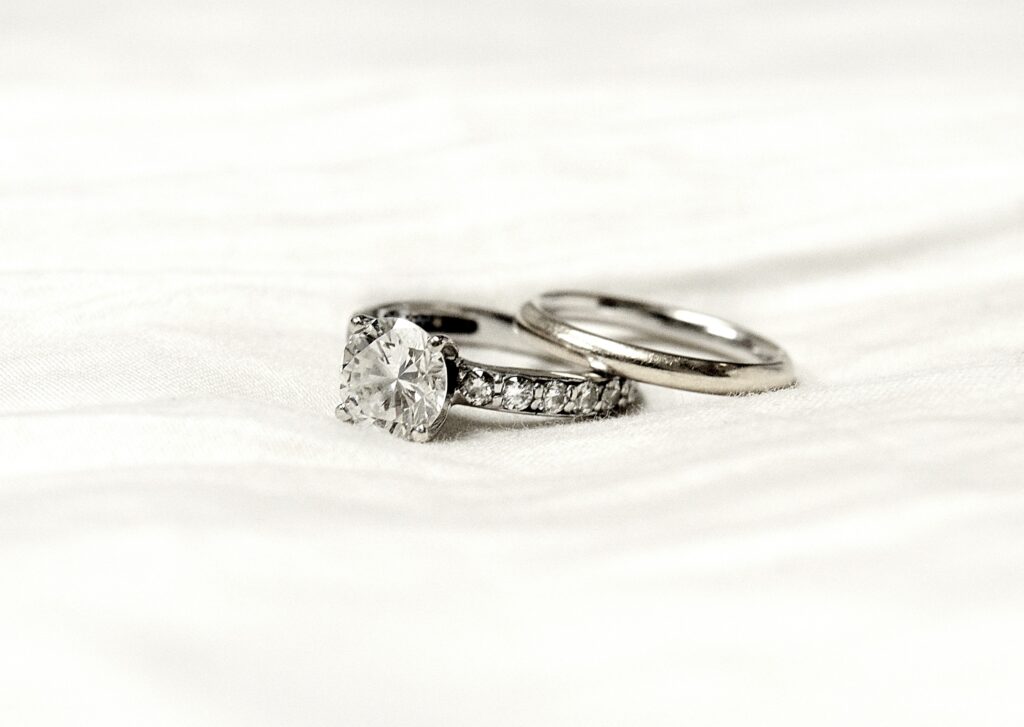
While home methods are helpful, professional sizing offers the highest level of accuracy, particularly for important purchases. Professional sizing is advised when;
- Choosing an engagement ring
- Buying a diamond-set ring
- Selecting wider bands
- Purchasing a ring intended for daily wear
Jewellers use calibrated tools and account for design elements that affect fit and professional sizing also allows for advice on comfort and long-term wear. Remember, visiting a jeweller for sizing does not commit you to a purchase and can prevent costly adjustments later.
How Ring Design Affects Fit
Two rings of the same size can feel very different depending on their design.
Band width: Wider bands generally feel tighter than slim bands and may require a slightly larger size for comfort.
Stone settings: Diamond-set rings, particularly those with stones around the band, often feel more snug than plain designs.
Metal choice: Different metals have different weights and profiles, which can subtly affect how a ring sits on the finger.
Understanding these factors ensures the chosen size feels right in everyday wear, not just during fitting.
Common Ring Sizing Mistakes to Avoid
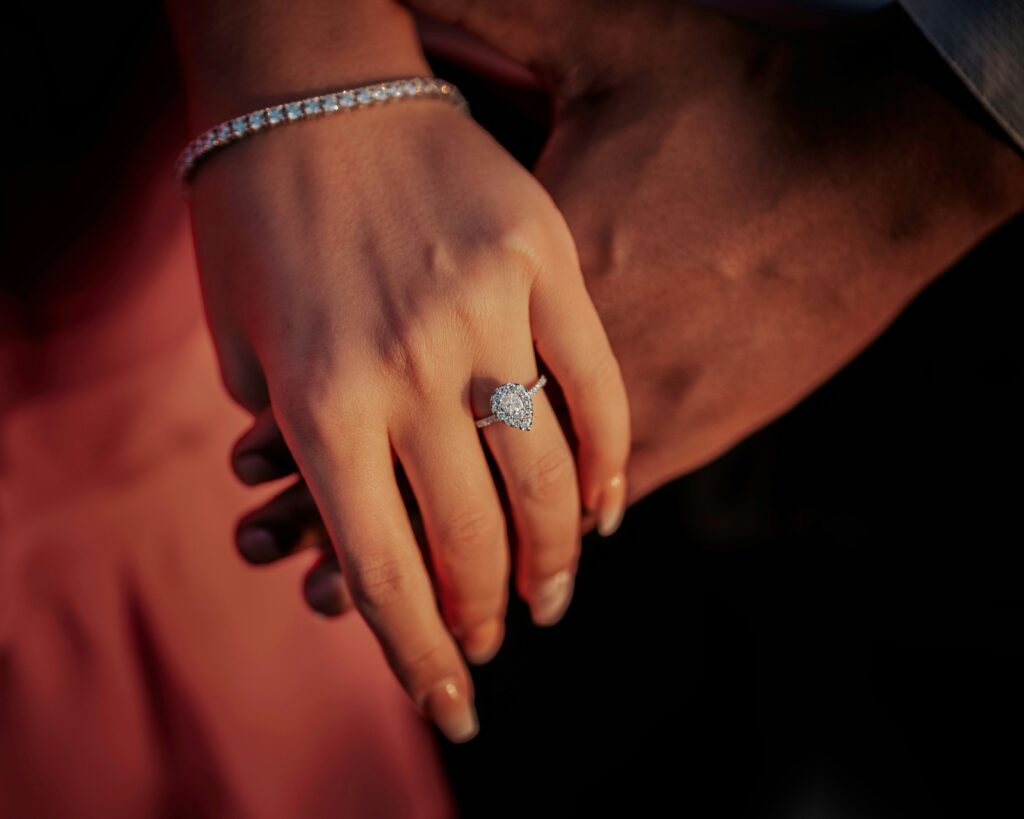
Even careful buyers can make simple mistakes when measuring ring size. Understanding why these errors occur and how to avoid them can make a significant difference to comfort, security and long-term wear.
Measuring When Hands Are Cold or Swollen
Finger size changes with temperature. Cold weather can cause fingers to shrink, while heat or physical activity can lead to swelling. Measuring at either extreme often results in a size that feels uncomfortable in everyday conditions.
What to do instead: Take measurements when your hands are at a normal temperature. Measuring at different times of day and comparing results usually gives a more reliable average.
Guessing Based on Shoe or Glove Size
Shoe, glove or clothing sizes have no consistent relationship to finger size. Hand shape, knuckle width and finger length vary significantly from person to person, making this approach unreliable.
What to do instead: Always measure directly using a ring or finger measurement rather than relying on assumptions. Even approximate measuring is more accurate than guessing based on unrelated sizing.
Assuming All Fingers Are the Same Size
Many people assume their fingers are uniform, but even neighbouring fingers can differ noticeably. The same finger on each hand may also vary slightly in size.
What to do instead: Measure the exact finger the ring will be worn on and note which hand it is for. This is particularly important for engagement and wedding rings.
Measuring Only Once
Single measurements can be misleading and small errors in placement or tension can result in a noticeable difference in fit once the ring is worn.
What to do instead: Measure two or three times using the same method and compare the results. Consistency across measurements usually indicates the correct size.
Overlooking Knuckle Size
For some hands, the knuckle is wider than the base of the finger. Measuring only at the base can result in a ring that fits once on but is difficult to put on or remove.
What to do instead: Ensure the ring can pass comfortably over the knuckle while still sitting securely once in place. A professional jeweller can advise on the best compromise if needed.
Taking a little extra time with measurements and understanding these common mistakes significantly reduces the likelihood of resizing later and helps ensure the ring feels comfortable from the first wear.
Why Correct Ring Size Matters Long Term
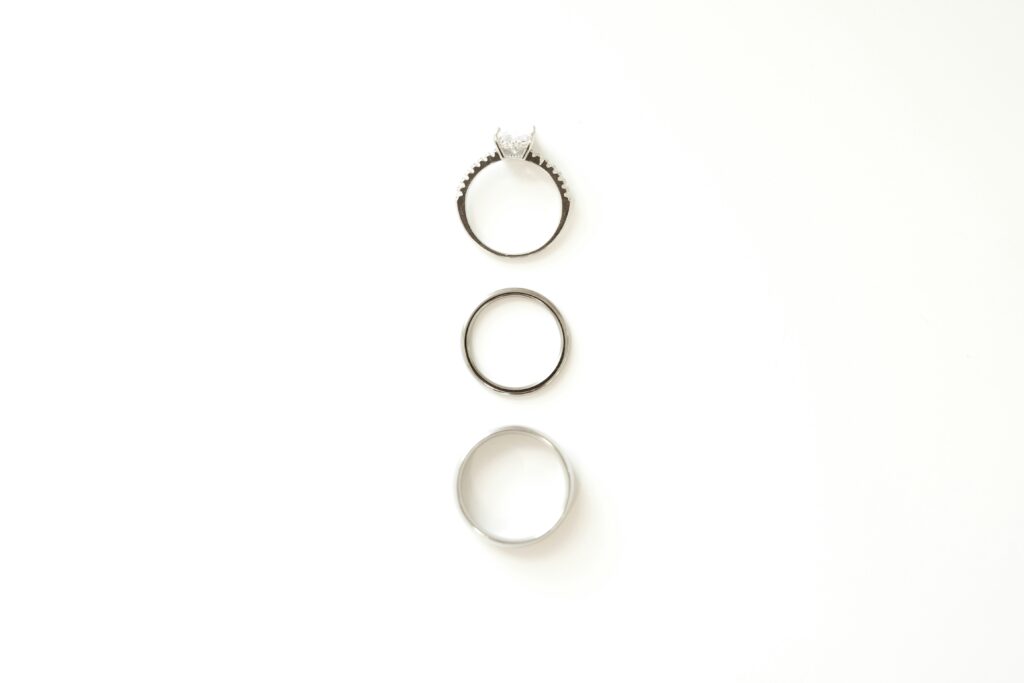
A well sized ring is more comfortable, more secure and better suited to long-term wear. It reduces stress on the band and setting and helps maintain the overall condition of the ring. For engagement rings and significant jewellery, correct sizing ensures the ring becomes part of daily life, not something that needs constant adjustment.
Ring Size FAQs
Does ring size change over time?
Yes, ring size can change gradually due to factors such as temperature, lifestyle, age and natural changes to the hands. This is normal and one reason why comfort and flexibility matter when choosing a ring size.
Can ring size change with weight or age?
Weight changes and ageing can affect finger size, particularly over longer periods. Rings that fit comfortably when first worn may feel tighter or looser years later, which is why long-term wear should be considered when choosing a size.
Should engagement rings fit tighter than other rings?
Engagement rings are often worn daily, so they should feel secure without being uncomfortable. A slightly firmer fit can help prevent movement, but the ring should still slide over the knuckle without excessive resistance.
What happens if my ring does not fit?
If a ring does not fit comfortably, a jeweller can assess whether resizing is appropriate based on the design and setting. This is why accurate sizing at the outset is always recommended.
Can all rings be resized?
Not all rings can be resized. Designs such as full eternity rings or rings with complex settings may have limitations, which is why understanding fit before purchase is particularly important.
Why Buy Rings from Trotters Jewellers
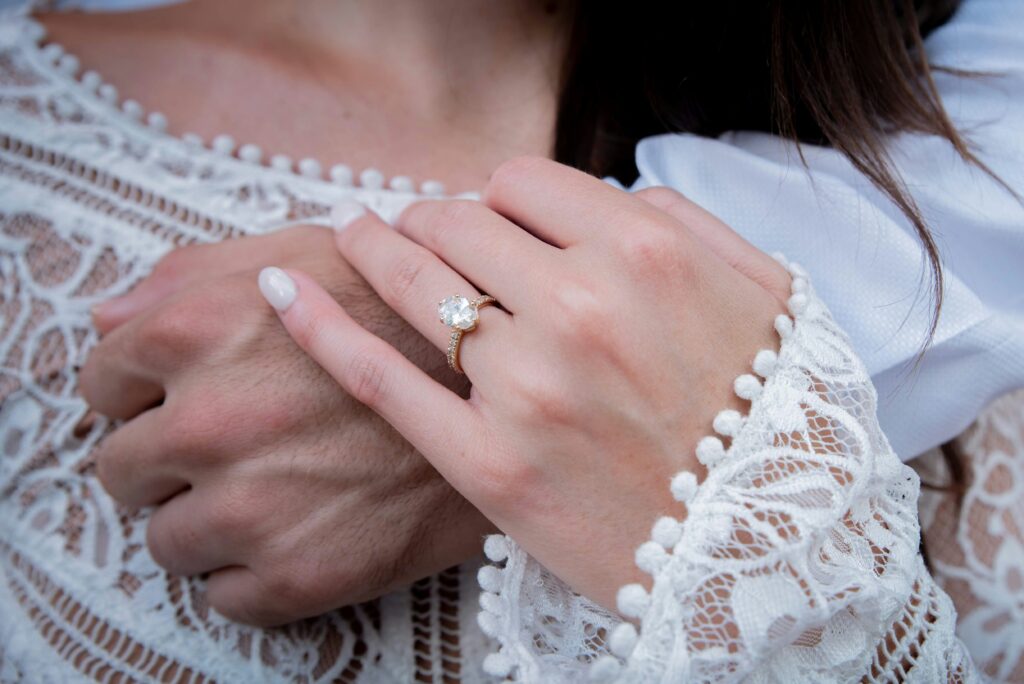
At Trotters Jewellers, we understand that choosing a ring is a personal and considered decision. Our team provides guidance on sizing, fit and design to help clients select jewellery that feels right from the moment it is worn.
Whether buying for an engagement, a gift or a personal milestone, clients benefit from expert advice before and after purchase. Our jewellery is chosen to be worn, enjoyed and treasured for years to come.
Discover rings at Trotters, with expert guidance available to help you choose the right size.
About the Author
Written by the Trotters Jewellers team, specialists in luxury watches and certified diamond jewellery since 1991, based in the City of London.