
 Buy
Buy Sell
Sell Exchange





Uncategorized
Rolex Datejust vs Rolex Day-Date: Which is the Better Investment?
Nov
When it comes to investing in a Rolex, few comparisons attract more discussion than the Datejust and the Day-Date. Both are cornerstone models within the brand’s history and continue to perform strongly in the pre-owned market. Yet they appeal to slightly different collectors.
At Trotters Jewellers, we see both models bought for their versatility, prestige and reliability. The question of which is the better investment depends not just on current value but also on design, availability and how each piece fits within the wider Rolex portfolio.
Rolex Datejust: Everyday Excellence with Enduring Value
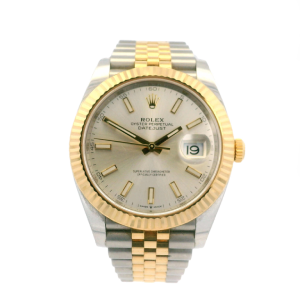
The Rolex Datejust is one of the brand’s most recognisable models. Introduced in 1945, it was the first automatic wristwatch to feature a date window that changed at midnight. Over the decades, it has become a symbol of balanced design and daily wearability, appealing equally to new buyers and experienced collectors.
The Datejust is available in a wide range of sizes and materials, from the classic 36mm in steel and gold to the modern Datejust 41mm version favoured by contemporary buyers. The choice of fluted or smooth bezels, Jubilee or Oyster bracelets and dials ranging from champagne to sunburst blue means that every Datejust can feel unique.
While the model’s variety appeals to a broad audience, the underlying value of the Datejust lies in its consistency. It has never left the Rolex catalogue and remains one of the brand’s core pillars. This longevity gives it a strong resale base and steady demand on the secondary market.
For investors, the Datejust offers several advantages:
- A large and reliable buyer pool, keeping pre-owned demand consistent
- Numerous vintage and discontinued variants that have appreciated steadily
- Flexibility to wear daily without affecting collectability
The Datejust is often the first Rolex purchase for those entering the market because it balances practicality with heritage. Many owners find that it becomes a long-term hold, retaining value and offering enough stylistic range to stay desirable for decades.
Rolex Day-Date: Prestige and Power
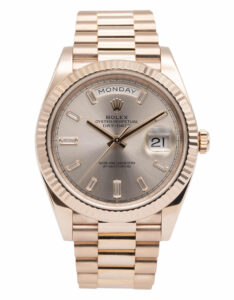
If the Datejust represents versatility, the Day-Date stands for prestige. Introduced in 1956, it was the first watch to display both the date and the day of the week in full, earning its reputation as the “President’s Watch.” It has been worn by world leaders, executives and collectors who appreciate its unmistakable presence and exclusivity.
Unlike the Datejust, the Day-Date has never been produced in stainless steel. It is available only in precious metals such as yellow gold, white gold, rose gold and platinum, each paired with the signature President bracelet. This deliberate limitation ensures that the Day-Date remains firmly positioned as a symbol of success.
From an investment perspective, that exclusivity adds weight. The Day-Date’s association with achievement ensures a loyal collector following, while its restricted production creates natural scarcity. Older references, particularly from the 1970s and 1980s, have become increasingly sought after for their distinctive dials and warm patina.
The Day-Date carries strong appeal for experienced collectors for three main reasons:
- Its intrinsic material value in gold or platinum
- Its status within the Rolex hierarchy
- Its enduring desirability across generations of buyers
For investors with a long-term outlook, the Day-Date represents a classic piece of Rolex history that continues to reward careful ownership.
Investment Insight: Which Holds Value Better?

When comparing the Datejust and Day-Date as investments, both models perform well but in different ways. The Datejust offers stability and accessibility, while the Day-Date delivers prestige and scarcity.
Resale Performance
Datejust models in stainless steel and two-tone combinations tend to maintain strong resale values, particularly in popular configurations such as the 36mm and 41mm with silver, blue or champagne dials. Their consistent demand in the pre-owned market helps them retain value year after year.
The Day-Date can fluctuate more closely with the prices of gold and platinum, but discontinued references have shown steady appreciation as collectors seek out examples with rare dials or factory-set stones.
Production and Rarity
The Datejust benefits from high production numbers, which supports liquidity but limits rarity. The Day-Date’s smaller production runs and precious metal construction make it more exclusive, resulting in stronger value retention among collectors who prioritise scarcity over volume.
Buyer Profile
The Datejust attracts first-time Rolex owners and those looking for a practical daily watch that also performs well as an investment. The Day-Date appeals more to seasoned collectors who value heritage and status. Both profiles are essential to Rolex’s ongoing success.
Trotters Top Tip: “If you are starting a Rolex collection, the Datejust offers the most accessible entry point and consistent resale strength. For those already invested in the brand, the Day-Date adds prestige and material value that grows over time.”
Discontinued Models and Collectability

The secondary market for Rolex watches is shaped by rarity and condition. Both the Datejust and Day-Date benefit from discontinued configurations that have become harder to find.
For the Datejust, older five-digit references and unique dial colours such as salmon or tapestry designs often attract collector interest. For the Day-Date, rare combinations like the “Stella” lacquer dials and factory-set diamond pieces from the 1970s and 1980s have seen notable appreciation.
Trotters Top Tip: “Condition and originality are everything. A full-set watch with its box, papers and original dial will always command a premium, regardless of the model.”
Rolex continues to refine both lines, introducing subtle updates in materials, bracelet design and movements. These enhancements add appeal to modern references while maintaining strong demand for vintage and discontinued models.
Trotters Expert Insight: Balancing Investment and Enjoyment

While both the Datejust and Day-Date perform well as investments, their value extends beyond numbers. These watches are designed to be worn and appreciated. At Trotters Jewellers, we regularly see clients who have enjoyed their Rolex watches daily for years, only to find that they have increased in value over time.
Trotters Top Tip: “The most successful collectors buy watches they genuinely enjoy wearing. A Rolex that is cared for and worn often tells its own story, which adds to its appeal.”
Servicing history, originality and authenticity all have a direct impact on value. Every pre-owned Rolex offered by Trotters is inspected, verified and serviced before sale, ensuring that it meets the standards expected of the brand.
Why Buy Your Rolex Investment from Trotters
The Rolex Datejust and Day-Date represent two sides of the same legacy: one defined by versatility, the other by prestige. Both continue to perform strongly in the secondary market and carry a heritage that few other watches can match.
For newer investors, the Datejust offers dependable entry-level appeal. For seasoned collectors, the Day-Date represents the height of Rolex craftsmanship and exclusivity. Whichever you choose, both are watches built to be worn, enjoyed and passed down through generations, investments that hold lasting financial and sentimental value.
As one of London’s leading pre-owned Rolex specialists, Trotters provides collectors with a secure and transparent way to invest in luxury watches. Every piece is authenticated, serviced and supplied with a 12-month warranty. Clients benefit from expert guidance, sourcing assistance and the option to view stock in the City of London showroom.
Whether you are looking for your first Datejust or seeking to add a Day-Date to your collection, the team can advise on market trends, reference desirability and long-term performance. Explore our current selection of pre-owned Rolex watches or contact us directly for private sourcing and investment advice.
About the Author
Written by the Trotters Jewellers team, trusted specialists in pre-owned luxury watches since 1991, based in the City of London.