
 Buy
Buy Sell
Sell Exchange




Jewellery
Lab-Grown vs Natural Diamond Jewellery: What Is the Difference?
Mar
As lab-grown diamonds have become more widely available, many buyers now find themselves comparing lab-grown and natural diamond jewellery before making a purchase. Engagement rings, earrings and diamond pendants are increasingly offered with both options, making it important to understand what separates them.
The visual appearance of lab-grown and natural diamonds is the same. Both share the same chemical composition, hardness and brilliance. The main differences lie in how the diamonds are formed, how they are supplied to the jewellery market and how buyers value them over time.
For anyone choosing diamond jewellery today, understanding these differences can help clarify which option best suits their priorities, whether that is tradition, design flexibility or budget.
What Is a Natural Diamond?
Natural diamonds form deep within the Earth’s mantle under intense heat and pressure. Over millions of years, carbon crystallises into the structure we recognise as diamond. Volcanic activity eventually brings these crystals closer to the Earth’s surface where they can be mined.
Because of this geological origin, each natural diamond formed long before human history. This natural formation process is one reason natural diamonds have traditionally been associated with milestone jewellery such as engagement rings and anniversary pieces.
Once mined, natural diamonds are cut and polished before being graded by independent gemological laboratories.
Diamonds are typically assessed using the Four Cs:
- Cut
- Colour
- Clarity
- Carat weight
These characteristics help determine the overall quality and market value of a diamond.
What Is a Lab-Grown Diamond?
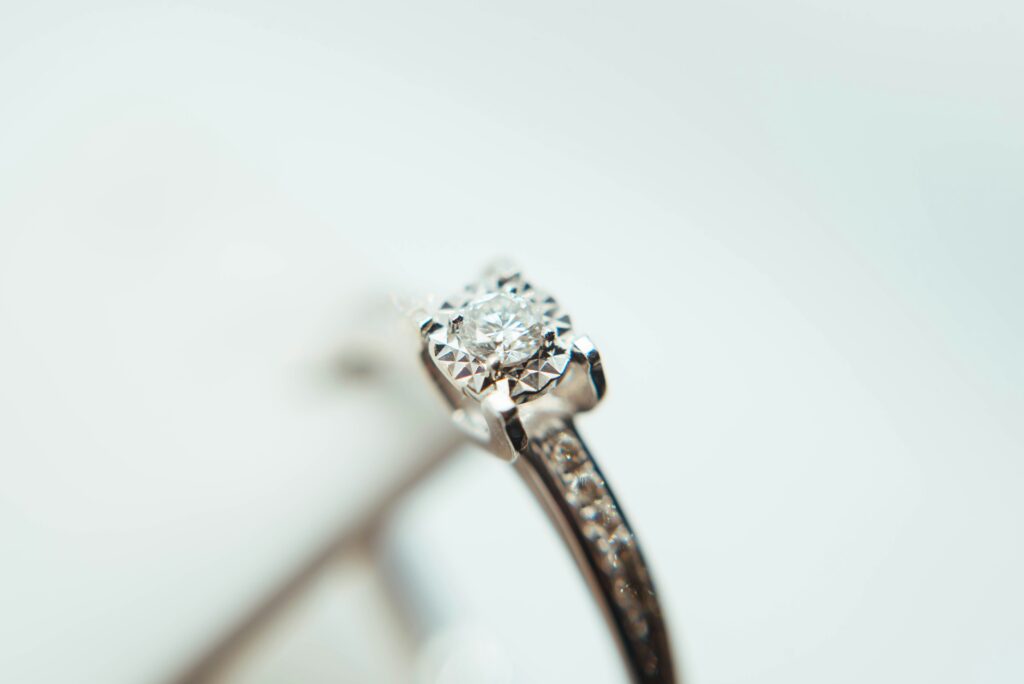
Lab-grown diamonds are produced using advanced technology that recreates the natural diamond-growing process in a controlled environment.
Two primary methods are used.
- High Pressure High Temperature (HPHT) replicates the extreme pressure and heat conditions found deep within the Earth.
- Chemical Vapour Deposition (CVD) grows diamonds layer by layer using carbon-rich gases.
The result is a diamond with the same physical, chemical and optical properties as a natural diamond. Like natural stones, lab-grown diamonds are cut, polished and graded by independent laboratories according to the same Four Cs.
Are Lab-Grown Diamonds Real Diamonds?
Yes. Lab-grown diamonds are genuine diamonds.
They share the same carbon crystal structure as natural diamonds and rank the same on the Mohs scale of hardness, making them suitable for everyday jewellery such as engagement rings. To the naked eye, a lab-grown diamond appears identical to a natural one. The key difference lies in origin. Natural diamonds form underground over millions of years, while lab-grown diamonds are created in a laboratory over a period of weeks.
Specialised gemological equipment is required to determine whether a diamond is natural or lab-grown.
Key Differences Between Lab-Grown and Natural Diamonds
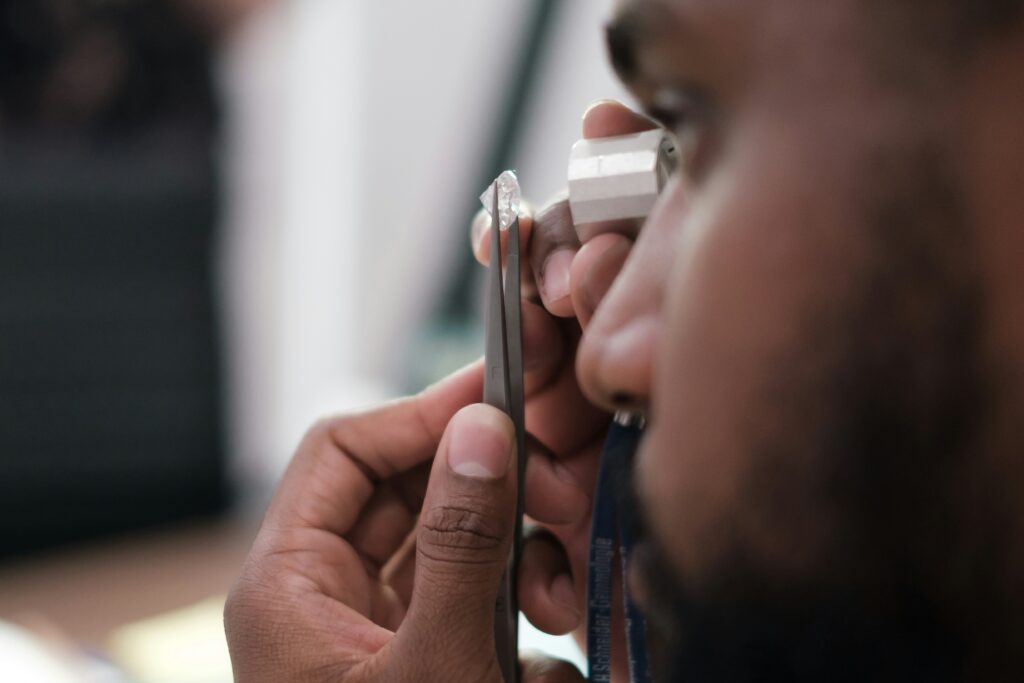
Although their physical properties are the same, there are several practical differences between natural and lab-grown diamonds that buyers often consider.
Origin
Natural diamonds are formed through geological processes over millions of years. Lab-grown diamonds are created in laboratories using technology designed to replicate these natural conditions.
Price
Lab-grown diamonds are generally priced lower than natural diamonds of comparable size and quality. This can allow buyers to choose a larger stone or higher specification within the same budget.
Rarity
Natural diamonds are limited by geological supply. Lab-grown diamonds can be produced in controlled environments, which allows for more consistent availability.
Market History
Natural diamonds have been traded in the jewellery market for many decades, giving them a well-established position in the secondary market. Lab-grown diamonds are a newer category and their resale market is still evolving.
Are Lab-Grown Diamonds Cheaper Than Natural Diamonds?
In most cases, lab-grown diamonds are priced lower than natural diamonds of comparable size and quality. The difference largely comes down to supply. Natural diamonds are limited by geological availability and the mining process required to extract them. Lab-grown diamonds, by contrast, are produced in controlled laboratory environments, which allows for more consistent supply.
Because of this, lab-grown diamonds are often available at a lower price point for the same carat weight, colour and clarity. For buyers, this can create greater flexibility when choosing a diamond. Some clients prefer to select a larger stone within their budget, while others prioritise higher colour or clarity grades.
Price differences can vary depending on the specific diamond and the overall market at the time of purchase. As with any diamond, cut quality, certification and craftsmanship remain important considerations when assessing value.
Are Lab-Grown Diamonds More Ethical?
Ethical sourcing is one reason some buyers explore lab-grown diamonds.
Natural diamonds are mined from the Earth. While the industry has introduced stricter sourcing standards over time, mining can still involve environmental impact and complex supply chains. Certification programmes such as the Kimberley Process were introduced to reduce the risk of conflict diamonds entering the market.
Lab-grown diamonds are produced in controlled laboratory environments rather than mined. This removes the need for large-scale mining operations and allows the origin of the diamond to be clearly traceable. For many buyers, this transparency provides reassurance about where their diamond has come from. Others simply appreciate having a modern alternative alongside traditional natural diamonds.
Do Lab-Grown Diamonds Hold Their Value?
The resale market for diamonds depends on several factors, including supply, brand recognition and long-term demand. Natural diamonds have been traded in the jewellery market for many decades, which means their resale market is well established. Prices can vary depending on rarity, quality and market conditions.
Lab-grown diamonds are a newer category. Because they can be produced in controlled conditions, supply is generally more consistent than with natural diamonds. This means their resale market is still developing.
For most buyers, diamond jewellery is chosen for personal significance rather than resale value. Engagement rings, anniversary pieces and milestone gifts are typically purchased with long-term wear in mind. What tends to matter most is the quality of the diamond itself. A well-cut stone with strong brilliance and clarity will always have greater visual appeal than a poorly cut diamond.
Diamond Certification and Grading
Whether natural or lab-grown, diamond certification is essential when purchasing diamond jewellery. Independent laboratories assess diamonds according to recognised grading standards, providing transparency around quality and characteristics.
Certification typically confirms:
- The diamond’s origin
- The Four Cs grading
- Measurements and proportions
- Fluorescence and identifying features
A certified diamond helps ensure buyers understand exactly what they are purchasing.
Choosing the Right Diamond Jewellery
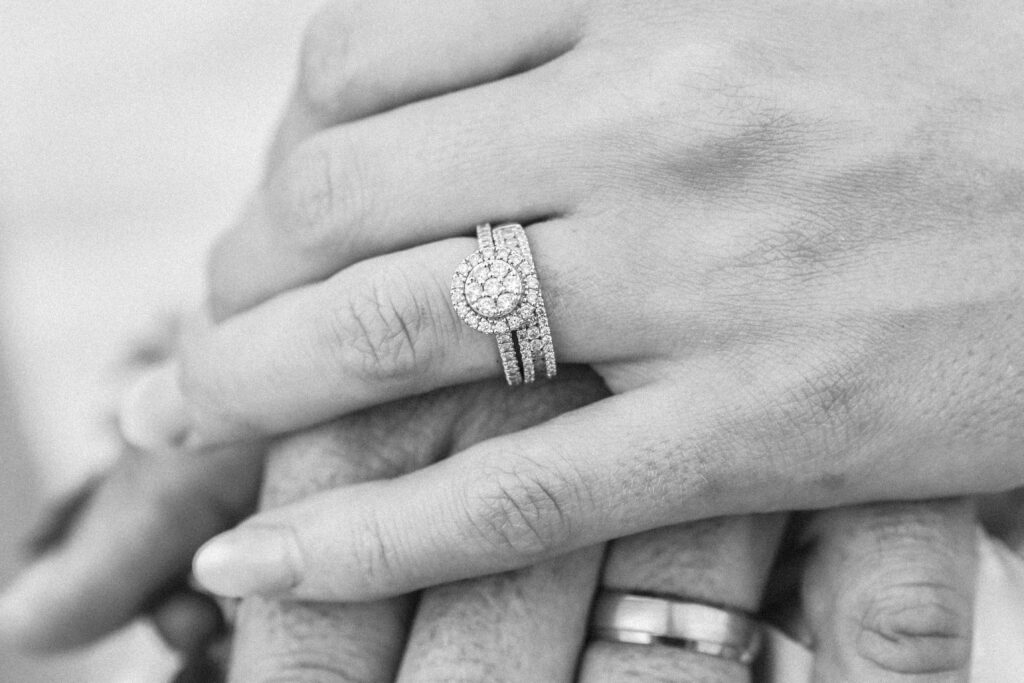
When comparing natural and lab-grown diamonds, the most important factor is selecting a well-cut stone that suits the design of the jewellery.
Cut quality has a significant influence on a diamond’s brilliance and overall appearance. A well-proportioned diamond will reflect light more effectively, producing the sparkle most people associate with high-quality stones.
Other factors to consider include the setting style, metal choice and the overall balance between the diamond and the jewellery design. If you’re considering a lab grown diamond for a proposal, make sure you take a look at our expert Lab Grown Diamond Engagement Ring guide for more help and advice.
FAQs: Lab-Grown vs Natural Diamonds
Can you tell the difference between lab-grown and natural diamonds?
To the naked eye, there is no visible difference between a lab-grown and a natural diamond. Both share the same chemical composition and crystal structure, which means they display the same brilliance and hardness. Gemological laboratories use specialised equipment to determine whether a diamond formed naturally or was created in a laboratory.
Are lab-grown diamonds suitable for engagement rings?
Lab-grown diamonds are just as durable as natural diamonds, ranking 10 on the Mohs scale of hardness. This makes them suitable for everyday jewellery, including engagement rings. Many buyers choose lab-grown diamonds because they can often select a larger stone or higher quality within the same budget.
Are lab-grown diamonds certified?
Yes. Lab-grown diamonds are graded by recognised gemological laboratories using the same Four Cs system used for natural diamonds. Certification confirms the diamond’s cut, colour, clarity, carat weight and origin.
Do lab-grown diamonds sparkle the same as natural diamonds?
Lab-grown diamonds display the same brilliance and fire as natural diamonds because they have the same crystal structure. A diamond’s sparkle is primarily influenced by the quality of the cut rather than whether it is natural or lab-grown.
Are lab-grown diamonds becoming more popular?
Interest in lab-grown diamonds has grown significantly in recent years as buyers become more familiar with the technology behind them. Many people appreciate the ability to choose larger or higher quality stones within their budget while still enjoying the durability and brilliance associated with diamond jewellery.
Trotters Jewellers and Lab-Grown Diamond Jewellery
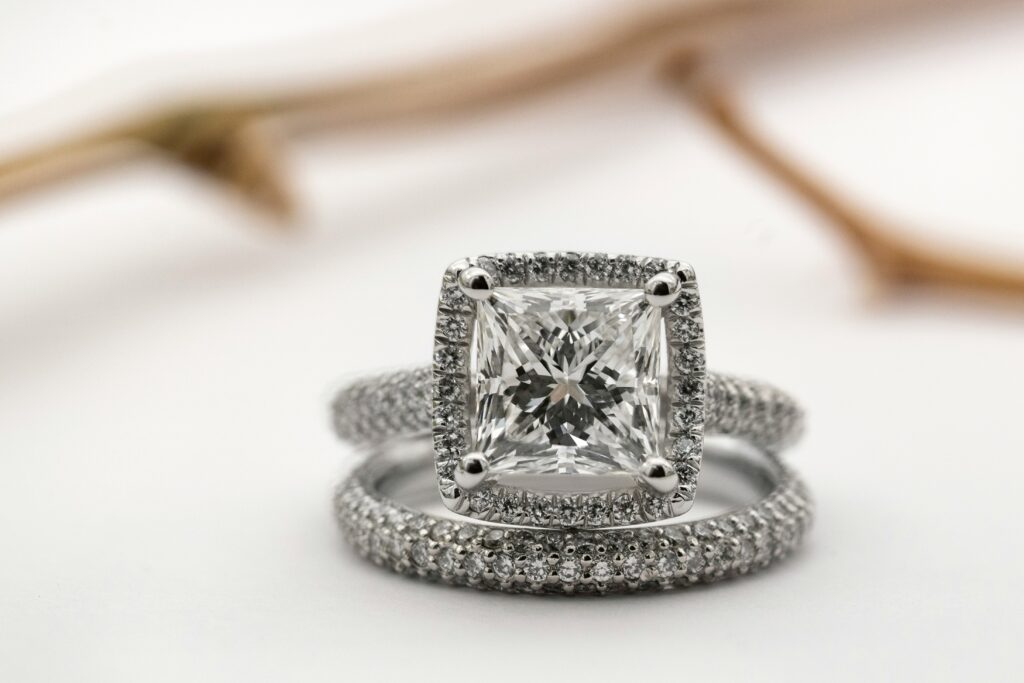
At Trotters Jewellers, we specialise in lab-grown diamond jewellery.
Our focus on lab-grown diamonds allows us to offer clients exceptional stone quality and flexibility when choosing size, clarity and design. Because lab-grown diamonds are typically priced lower than natural stones of comparable quality, many clients are able to select larger or higher-grade diamonds within their preferred budget.
Every diamond used in our jewellery is certified and carefully selected to ensure brilliance, clarity and durability. Our collection includes engagement rings, diamond earrings, bracelets and pendants crafted using certified lab-grown diamonds. Each piece is designed to highlight the natural brilliance of the stone while maintaining balanced proportions and refined settings.
Explore our full range of lab-grown diamond jewellery to find a piece that suits your style.
About the Author: Written by the Trotters Jewellers team, specialists in luxury watches and certified diamond jewellery since 1991, based in the City of London.