
 Buy
Buy Sell
Sell Exchange




Watch Investment
What to Look for When Buying a Pre-Owned Watch
Apr
Buying a pre-owned watch is often the most straightforward way to access a wider range of models, particularly those that are no longer available at retail. For many buyers, it also removes the uncertainty of waiting lists and gives you the opportunity to focus on the watch itself, rather than availability.
That said, buying pre-owned does require a slightly different approach. Condition, originality and how the watch has been maintained all play a part in how it will wear over time. Knowing what to look for makes the process much simpler and helps you avoid common mistakes. We’ve asked our pre-owned watch experts for their insider knowledge on what they look for when buying a luxury watch.
Start With the Condition
Condition is one of the first things to assess, and it can vary significantly between watches of the same model. Look closely at the case, particularly around the edges and lugs. Sharp lines and even finishing are usually a good sign that the watch has not been over-polished. Excessive polishing can soften the original shape of the case, which affects both appearance and long-term value.
The bracelet is just as important. Over time, bracelets can develop stretch, particularly on older watches. This doesn’t necessarily affect functionality, but it does change how the watch feels on the wrist.
Dial condition is also worth paying attention to. Marks, discolouration or replacement components can affect both how the watch looks and how it is perceived in the secondary market.
Trotters Top Tip: When reviewing a watch online, spend time looking at high-resolution images from multiple angles. Small details are often easier to spot this way than in a quick in-person glance.
Check for Originality
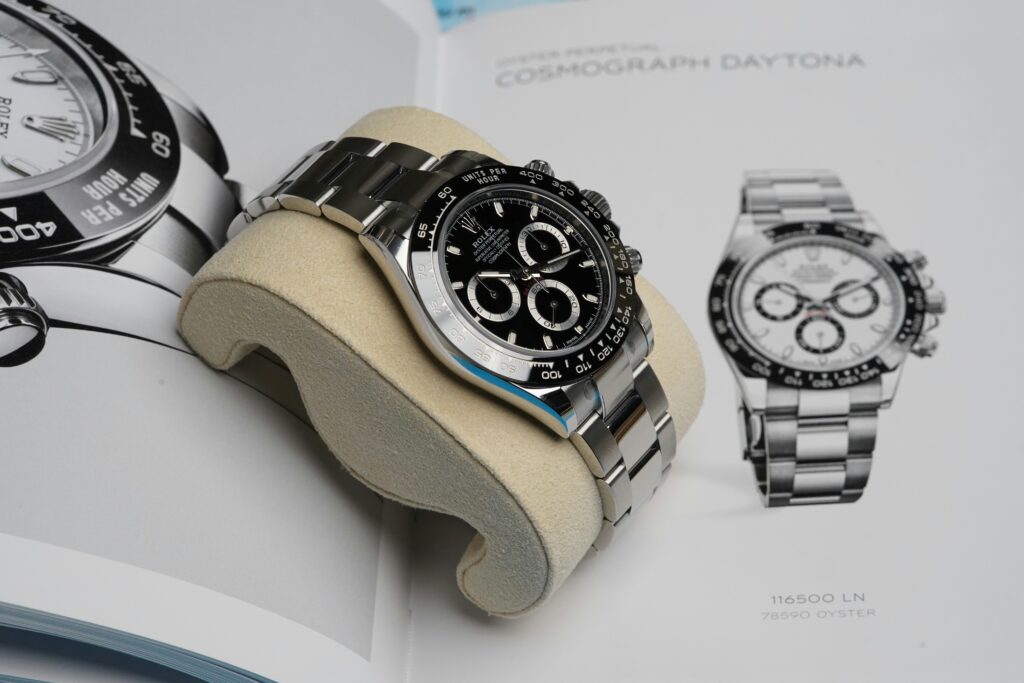
Originality refers to how much of the watch remains as it was when it left the manufacturer. Over time, parts such as hands, dials or bezels may be replaced during servicing. In many cases, this is necessary for performance, but it can affect how the watch is viewed by collectors. For most buyers, a fully original watch is not essential. What matters more is that any changes are clearly disclosed and that the watch remains consistent overall.
Matching components, correct dial configurations and appropriate parts for the model all contribute to a more coherent piece.
Understand Service History
A well-maintained watch should have been serviced periodically to ensure it continues to run accurately. While not every pre-owned watch will come with a full service history, it’s useful to know whether it has been serviced recently and what that involved.
A watch that has just been serviced should arrive ready to wear, with no immediate need for additional work. On the other hand, a watch that has not been serviced for some time may require attention in the near future. This isn’t necessarily a negative, but it’s something to factor into your decision.
Trotters Top Tip: If service history isn’t available, ask whether the watch has been checked for timekeeping and performance before being listed. This is often a good indicator of how it will perform day to day.
Buy From a Trusted Source
Where you buy from is just as important as what you buy. Established dealers, like Trotters, will inspect watches before listing them, provide clear descriptions and stand behind what they sell. This reduces the risk of unexpected issues after purchase.
Private sales can sometimes appear more attractive from a pricing perspective, but they come with fewer safeguards. Without proper verification, it can be difficult to assess condition, originality or authenticity with confidence. Choosing a reputable retailer gives you a clearer understanding of what you are buying.
Five Questions to Ask Before Buying a Pre-Owned Watch
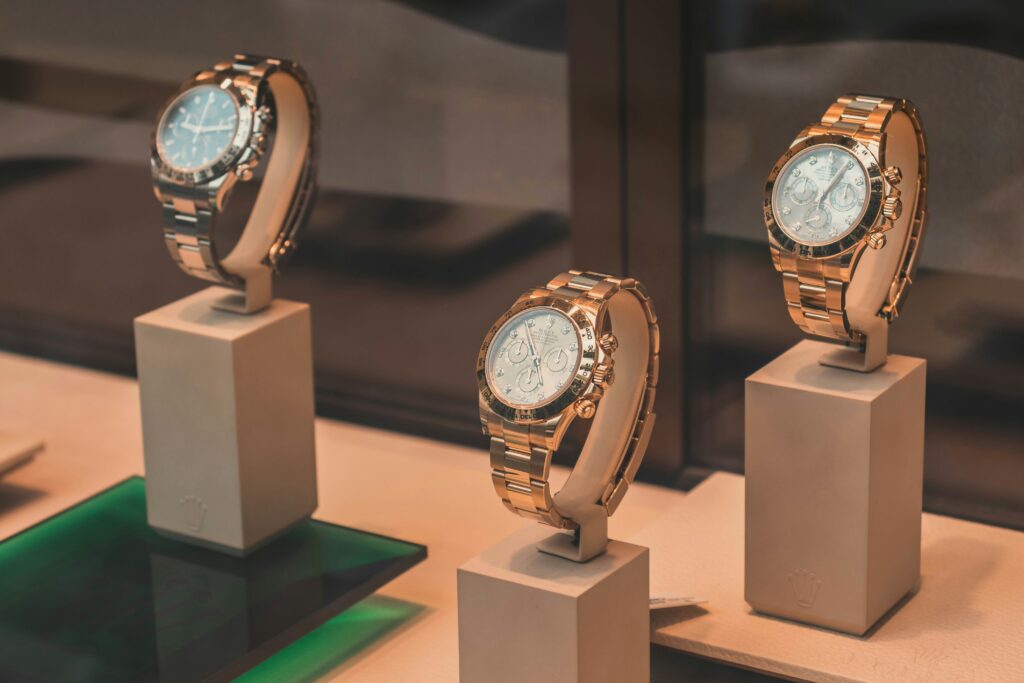
If you’re comparing a few options, asking the right questions early on can quickly narrow things down.
These are the five that tend to matter most.
- Is the Watch Original?
Ask whether the key components are original to the watch. This includes the dial, hands, bezel and bracelet.
Minor replacements during servicing are common, but these should be clearly explained. A watch that is consistent and correctly configured is usually the safer choice.
- What Is the Condition Like?
Condition goes beyond whether the watch is working.
Look for details such as:
- Case edges and polishing
- Bracelet wear or stretch
- Dial marks or ageing
Two watches of the same model can feel very different depending on how they’ve been worn.
- Has It Been Serviced?
A recently serviced watch should arrive ready to wear, with no immediate need for additional work.
If service history isn’t available, it’s worth confirming whether the watch has been checked for timekeeping and performance before being listed.
- Does It Come With Box and Papers?
Box and papers are not essential for every buyer, but they can add context and reassurance.
For some models, particularly those with stronger collector demand, having the full set can also make a difference longer term.
- Who Am I Buying From?
This is one of the most important questions.
Buying from an established dealer means the watch has been inspected, described accurately and supplied with a warranty. It also gives you a point of contact if you have any questions after purchase.
Trotters Top Tip: If you’re ever unsure, ask for additional images or clarification before buying. A reputable seller should always be happy to provide more detail.
Look at the Details That Affect Wear
Beyond condition and originality, there are smaller details that can make a big difference once the watch is on your wrist.
Case size is an obvious one, but proportions are just as important. Two watches with the same case diameter can wear very differently depending on thickness and lug shape.
Bracelet or strap choice also plays a role. Some watches feel more balanced on a strap, while others are designed to be worn on a bracelet. Clasp design, crown size and overall weight can all influence how comfortable the watch feels over a full day of wear.
Consider Long-Term Ownership
A pre-owned watch is often something you will wear for years, so it’s worth thinking beyond the initial purchase. Servicing requirements, availability of parts and general durability all contribute to long-term ownership.
Well-known brands with established service networks tend to be easier to maintain over time. This doesn’t mean other brands should be avoided, but it’s something to be aware of when making a decision.
Pricing and Market Awareness
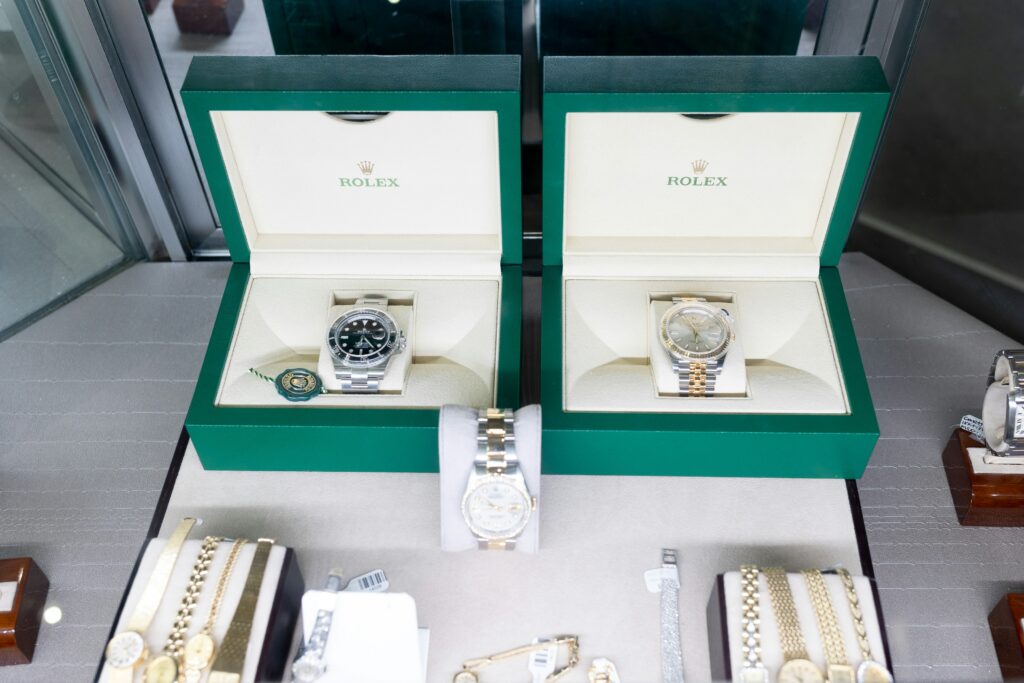
Pricing in the pre-owned market can vary depending on condition, age and demand.
Two watches of the same model can be priced differently based on small details, so it’s worth understanding what you’re comparing. Rather than focusing purely on price, it’s often more useful to consider overall value. A slightly higher-priced watch in better condition may offer a better long-term experience than a cheaper alternative that requires work.
Trotters Top Tip: If a price seems unusually low, it’s worth taking a closer look. Differences in condition or originality are often the reason.
Popular Pre-Owned Watch Brands to Consider
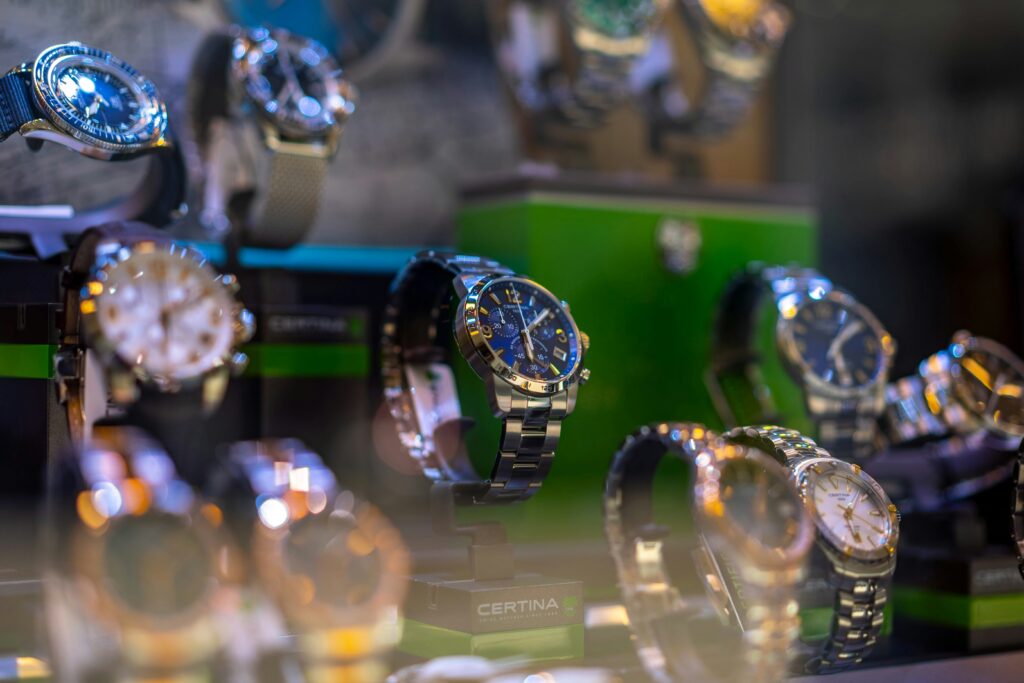
If you’re still deciding where to start, it can help to look at some of the most widely recognised brands in the pre-owned market. Each offers a slightly different approach to design, wearability and long-term ownership.
Rolex: Known for consistency and strong demand, often chosen for everyday wear and long-term ownership.
Omega: A balance of technical design and practicality, with models suited to both daily wear and more specialist use.
Cartier: Design-led watches that focus on proportions and style, often chosen for their distinctive look.
Tudor: A more accessible option within the luxury market, known for durability and ease of wear.
Audemars Piguet: More specialist, often associated with bold design and lower production volumes.
Patek Philippe: Positioned at the higher end of the market, typically chosen for long-term collecting and traditional watchmaking.
Exploring different brands side by side can make it easier to understand what suits your style and how you plan to wear the watch.
Buying Pre-Owned With Confidence
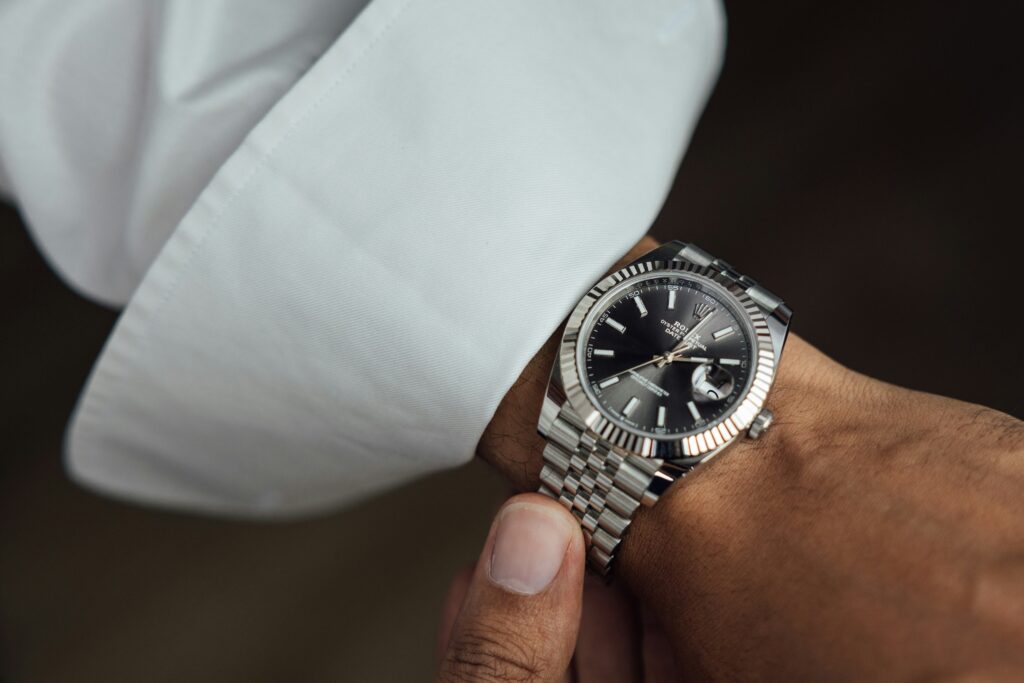
Buying a pre-owned watch doesn’t need to be complicated. With a bit of attention to detail, it becomes a much more straightforward process.
At Trotters Jewellers, we have been sourcing and selling pre-owned luxury watches since 1991. Each watch is inspected before being listed, with clear photography and accurate descriptions so you can assess it properly before purchasing.
All watches are supplied with a 12 month warranty and are available to purchase securely online, with fully insured UK delivery. Our collection includes a wide range of pre-owned Rolex, Omega, Cartier, Tudor, Audemars Piguet and Patek Philippe watches, giving you access to models across different styles and price points.
About the Author
Written by the Trotters Jewellers team, specialists in pre-owned luxury watches and certified diamond jewellery since 1991, based in the City of London.
Frequently Asked Questions
Is it safe to buy a pre-owned watch?
Buying from a reputable dealer with clear descriptions and a warranty is generally considered a reliable way to purchase a pre-owned watch.
What condition should a pre-owned watch be in?
Condition can vary, but the watch should match its description and show no issues that affect performance or wearability.
Do pre-owned watches come with a warranty?
Many established retailers provide a warranty, which offers additional reassurance after purchase.
Is service history important?
Service history can be useful, but recent inspection and confirmed performance are often just as important.