
 Buy
Buy Sell
Sell Exchange





Apr
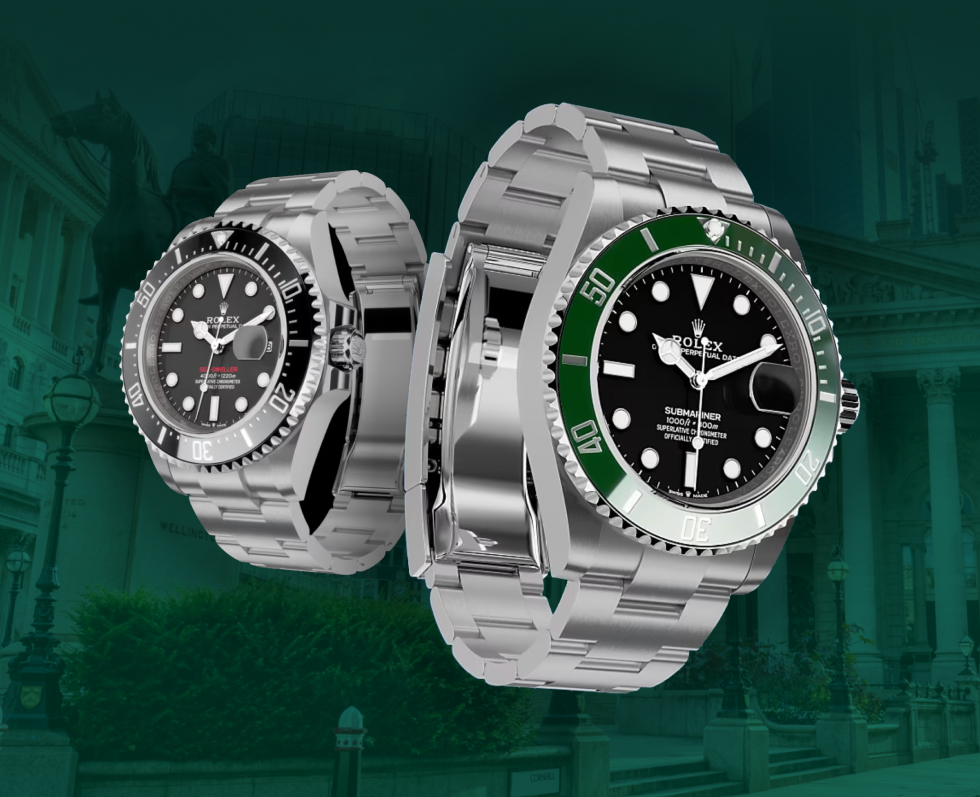
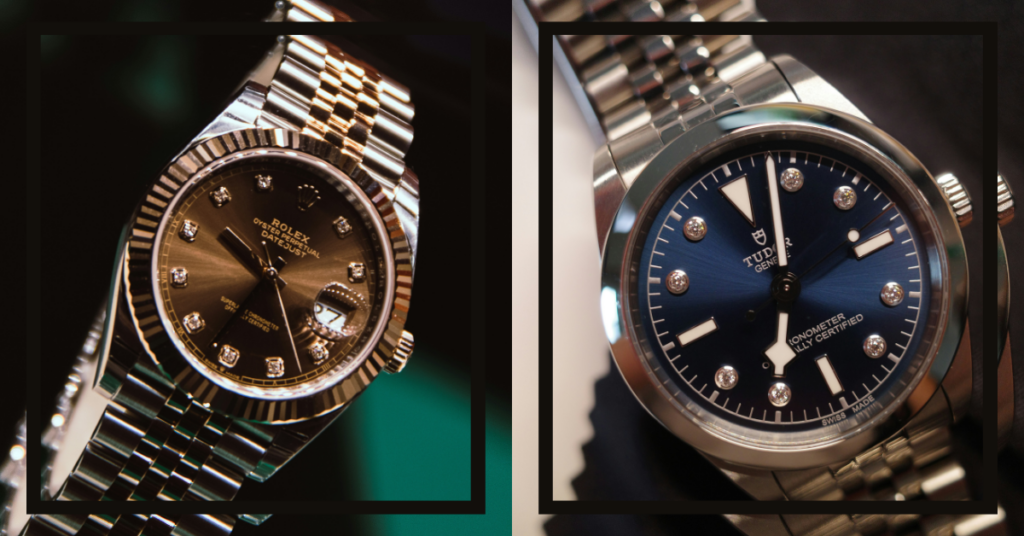
Tudor and Rolex are often compared, and for good reason. The two brands share a common history and, at a glance, a similar design language. Look a little closer, though, and they begin to feel quite different in how they’re worn and what they represent. For most buyers, the decision isn’t about which is better. It’s about how the watch will fit into everyday life. Both brands produce reliable, well-built watches, but the ownership experience can vary depending on what you value most.
Understanding those differences properly tends to make the choice much clearer.
Tudor and Rolex: What’s the Connection?
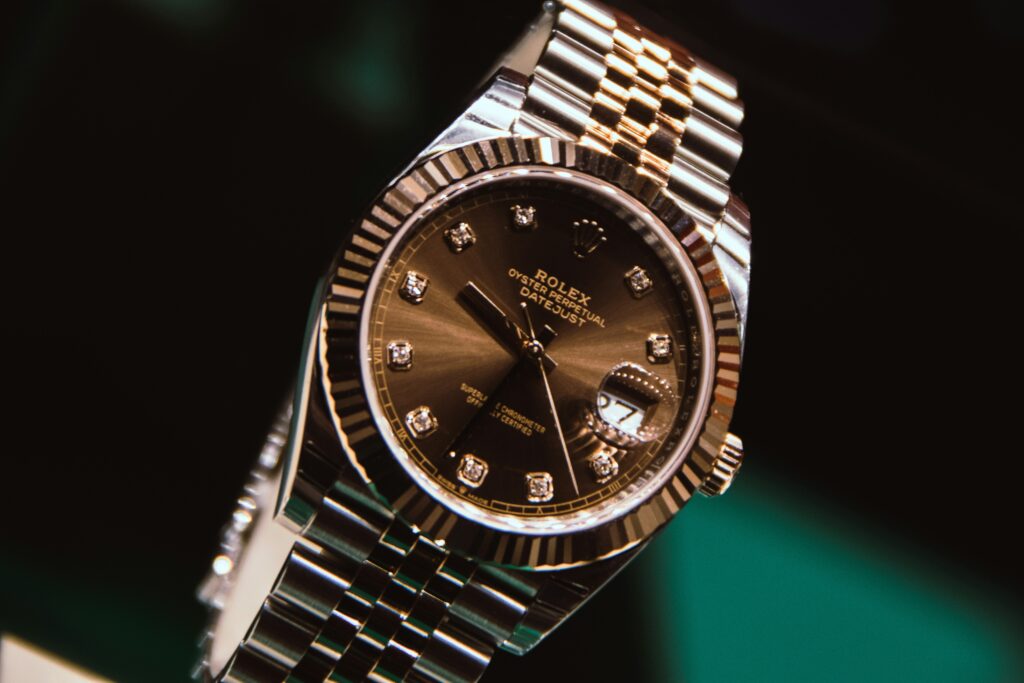
Tudor was established in 1926 by Hans Wilsdorf, the founder of Rolex. His intention was straightforward, to offer a watch that maintained the reliability and build quality associated with Rolex, but at a more accessible price point.
In the early years, Tudor watches often used Rolex-made cases and bracelets, paired with third-party movements. This combination helped the brand gain credibility, particularly in professional settings, including military and diving applications.
Today, Tudor operates independently, producing many of its own movements and refining its own design direction. The link between the two brands is still relevant, but the watches themselves have evolved in different ways.
Design and Brand Positioning
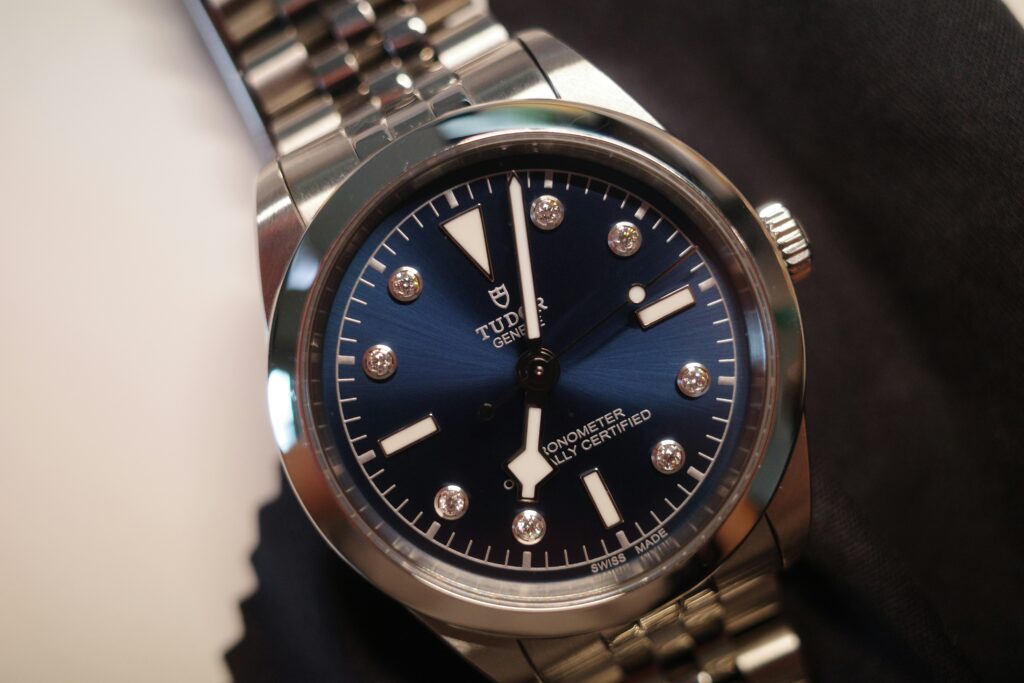
Although Tudor and Rolex share certain visual cues, the way each brand approaches design has gradually diverged.
- Rolex tends to prioritise consistency. Its core models change very little over time, and that familiarity is part of what makes them so recognisable. The overall feel is controlled and refined, with very few deviations from established designs.
- Tudor has allowed itself more flexibility and in recent years, the brand has explored different finishes, colour variations and case proportions while still referencing its heritage. The result is a range that often feels slightly more relaxed and less constrained.
This difference is subtle but noticeable. Rolex leans towards uniformity, while Tudor allows for a bit more variation.
Build Quality and Materials
Both brands are known for producing well-made watches, and in practical terms, either will stand up to regular use.
- Rolex manufactures its movements in-house and maintains tight control over production. This contributes to a level of consistency that is often associated with the brand.
- Tudor has moved increasingly towards in-house movements, although some models still use externally sourced calibres. In day-to-day use, this distinction is less significant than it might seem on paper, particularly for buyers focused on reliability rather than technical specification.
Where the difference tends to be felt is in finishing and refinement. Rolex watches often feel slightly more precise in their execution, whereas Tudor focuses more on robustness and usability.
Trotters Top Tip: When comparing two watches side by side, small details such as bracelet feel, crown action and clasp finishing often become more noticeable than movement specifications. These are worth paying attention to if you have the chance to handle both.
Availability and Buying Experience
One of the most noticeable differences between Tudor and Rolex is how they are purchased.
- Rolex watches, particularly the more recognisable models, are often difficult to obtain at retail. Waiting lists are common, and availability can vary significantly depending on the model.
- Tudor watches are generally much easier to access. Most models can be purchased without delay, whether through authorised retailers or the secondary market.
This difference shapes the buying experience. With Tudor, the process tends to be more straightforward. With Rolex, availability can become part of the decision.
Price Positioning
Tudor and Rolex sit at different levels within the watch market, and this is often reflected in how buyers approach each brand.
- Tudor offers a lower entry point into mechanical watches, making it a common choice for those buying their first luxury watch or looking for something they can wear regularly without hesitation.
- Rolex is positioned higher, both in terms of pricing and brand perception. For many buyers, this comes with an expectation of long-term ownership and a more considered purchase process.
The difference isn’t just financial, it influences how each watch is approached and used over time.
Everyday Wear: Which Is More Practical?
Both Tudor and Rolex watches are designed to be worn, but they tend to be worn differently in practice.
- Tudor watches are often chosen for regular use. They are typically seen as watches that can be worn daily without much concern, whether that’s at work, travelling or in more active environments.
- Rolex watches are equally capable, but many owners approach them with a bit more caution. This can be due to their value, recognisability or simply how they are perceived.
In reality, both brands are durable. The difference comes down to how comfortable the owner feels wearing the watch in everyday situations.
Trotters Top Tip: If you’re planning to wear the watch every day, it’s worth thinking about how you’ll feel wearing it in different environments. A watch that feels easy to put on without hesitation often ends up being worn more.
Which Holds Value Better?
Rolex has a well-established reputation for holding its value, particularly across its core models. Demand within the secondary market has remained consistently strong, which has supported pricing over time.
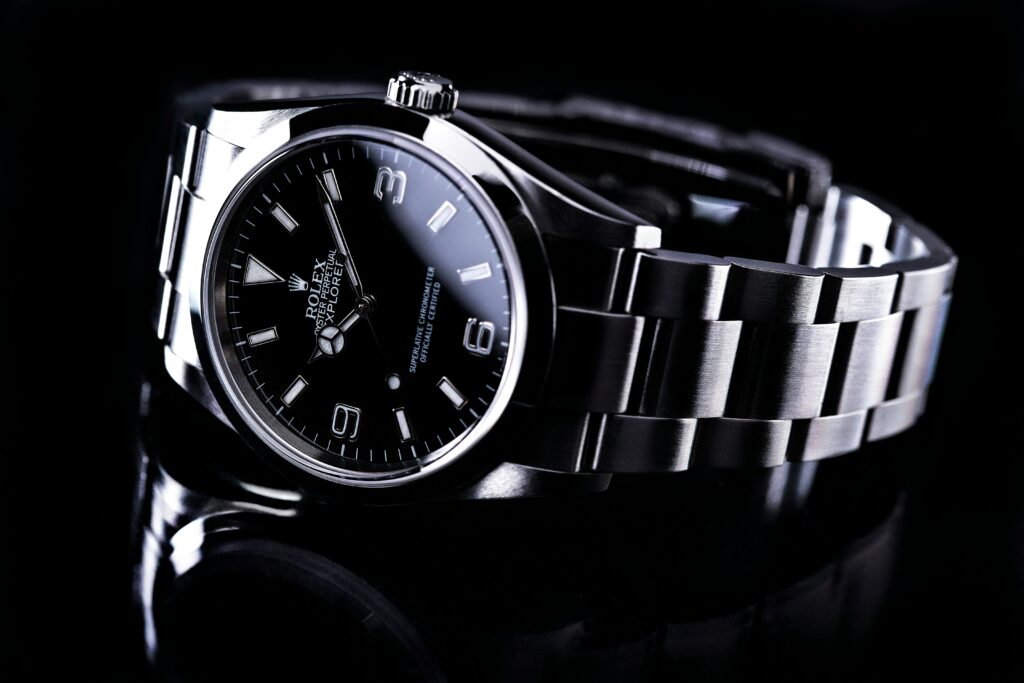
Tudor does not typically follow the same pattern. While many models hold their value well, pricing tends to be more stable and less influenced by market demand. For most buyers, this difference is secondary to how the watch will be used. Tudor is often chosen for its practicality, while Rolex tends to carry stronger brand recognition when it comes to resale.
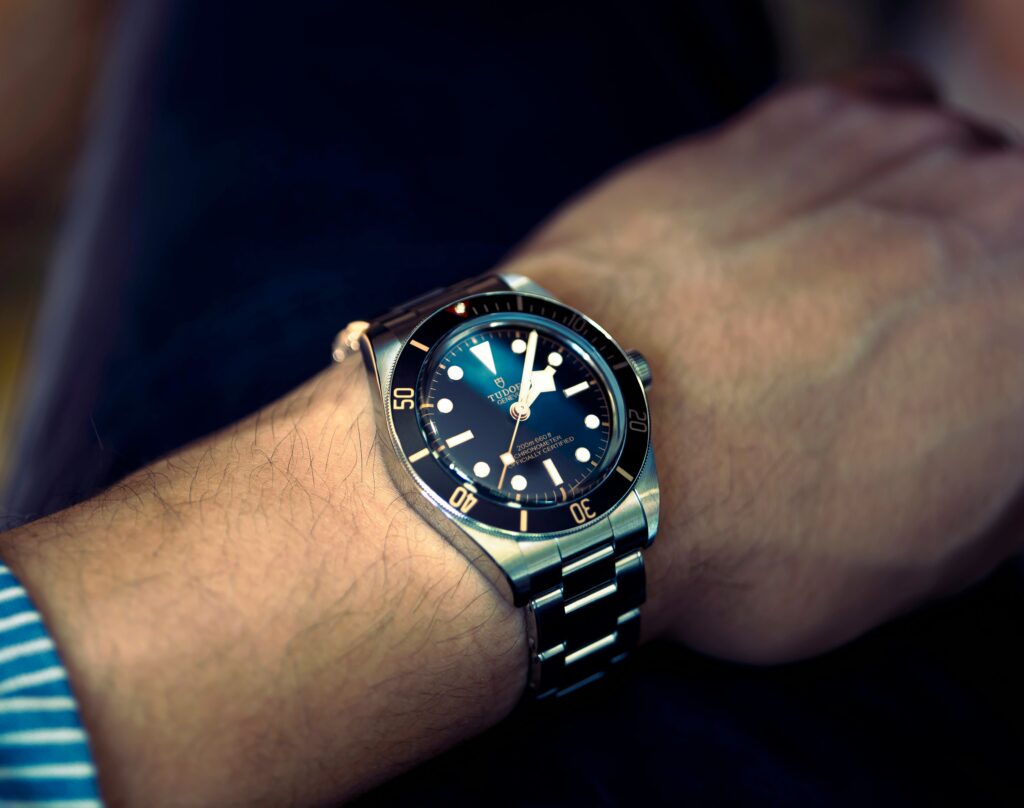
Choosing Between Tudor and Rolex
Deciding between Tudor and Rolex usually comes down to priorities.
- Tudor tends to suit buyers who want something dependable, well-built and easy to wear on a daily basis. It’s often chosen as a first mechanical watch, or as a watch that complements a broader collection without replacing it.
- Rolex tends to appeal to those looking for a more established brand, with a long-standing reputation and a more recognisable presence.
Both approaches make sense, and neither excludes the other. Many collectors end up owning both at different stages.
Buying Pre-Owned Tudor and Rolex Watches
For many buyers, the pre-owned market offers a more direct way to access both Tudor and Rolex watches.
- In the case of Rolex, buying pre-owned removes the uncertainty of waiting lists and allows you to choose from watches that are immediately available. It also gives you access to earlier variations that may no longer be in production.
- With Tudor, the pre-owned market provides a broader selection across different models and production years, often with more flexibility in terms of pricing and availability.
Trotters Top Tip: If you’re comparing Tudor and Rolex, viewing a few examples of each can make the differences much clearer. Even small details such as weight, proportions and bracelet feel can influence which one feels right.
Tudor vs Rolex: Frequently Asked Questions
Is Tudor as good as Rolex?
Tudor and Rolex are both well-made watches, but they are positioned differently. Rolex focuses on consistency and brand recognition, while Tudor offers a more accessible and practical alternative.
Why is Tudor cheaper than Rolex?
Tudor is positioned at a lower price point and takes a different approach to production. This allows the brand to offer reliable mechanical watches without the same pricing as Rolex.
Do Tudor watches last as long as Rolex?
With proper care and servicing, both Tudor and Rolex watches are designed to last for many years. Longevity depends more on maintenance than the brand itself.
Is Tudor worth buying?
Tudor is often chosen by buyers looking for a dependable, well-built watch that can be worn regularly. It offers a practical approach to mechanical watch ownership.
About the Author
Written by the Trotters Jewellers team, specialists in pre-owned luxury watches and certified diamond jewellery since 1991, based in the City of London.