
 Buy
Buy Sell
Sell Exchange





Tudor
Is Tudor Worth Buying in 2026?
May
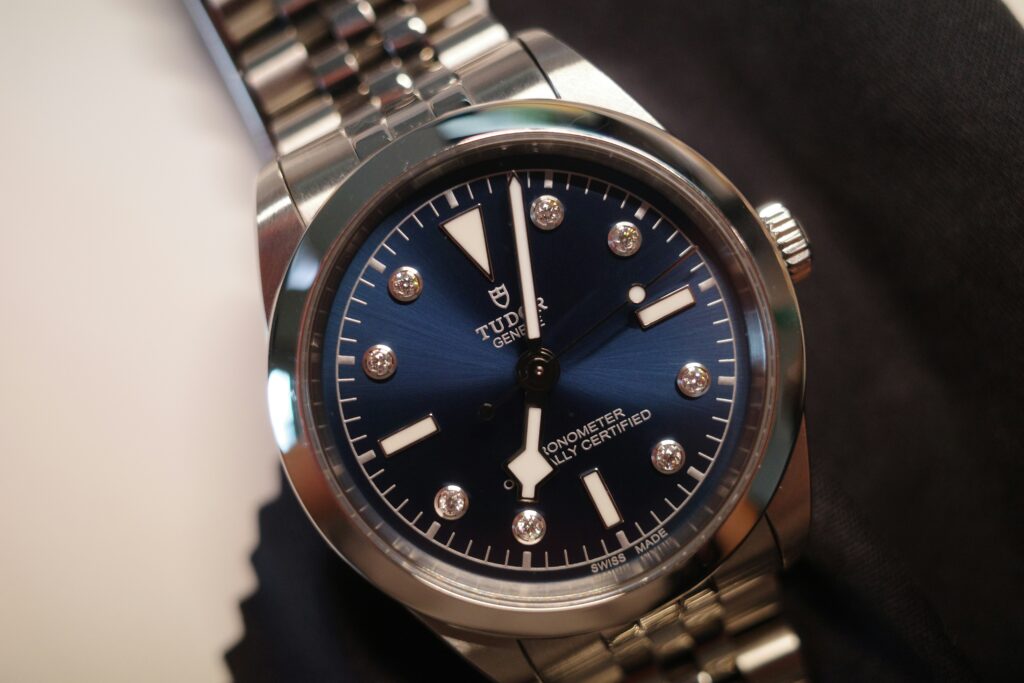
Tudor has shifted quite noticeably over the last decade, even if that change isn’t always obvious at first glance. It’s no longer just seen as a more accessible alternative to Rolex. Instead, it’s settled into its own space, producing watches that are deliberately straightforward, well-built and easy to live with. That clarity has helped the brand find a more defined audience, particularly among buyers who care less about status and more about how a watch actually fits into their day.
Looking at Tudor in 2026, the question isn’t really whether it’s “good”. It’s whether it offers something that still makes sense when compared to everything else available at a similar price point.
Where Tudor Sits in the Market Today
Tudor still benefits from its Rolex connection, but it doesn’t rely on it in the same way it once did. What stands out now is how restrained the watches feel. There’s very little unnecessary detail, and most models are built around simple, functional designs that don’t try to do too much at once. That tends to age well, both visually and in terms of how the watch is worn.
At the same time, Tudor occupies a slightly awkward middle ground:
- It’s not positioned as entry-level, so expectations are higher
- It doesn’t carry the same brand weight as Rolex, particularly outside watch circles
- It competes directly with brands like Omega in terms of price, but not always in terms of perception
Whether that works for you depends on what you’re actually looking for in a watch.
Where Tudor Makes the Most Sense
There are a few situations where Tudor feels like an easy decision, and they tend to revolve around practicality rather than status.
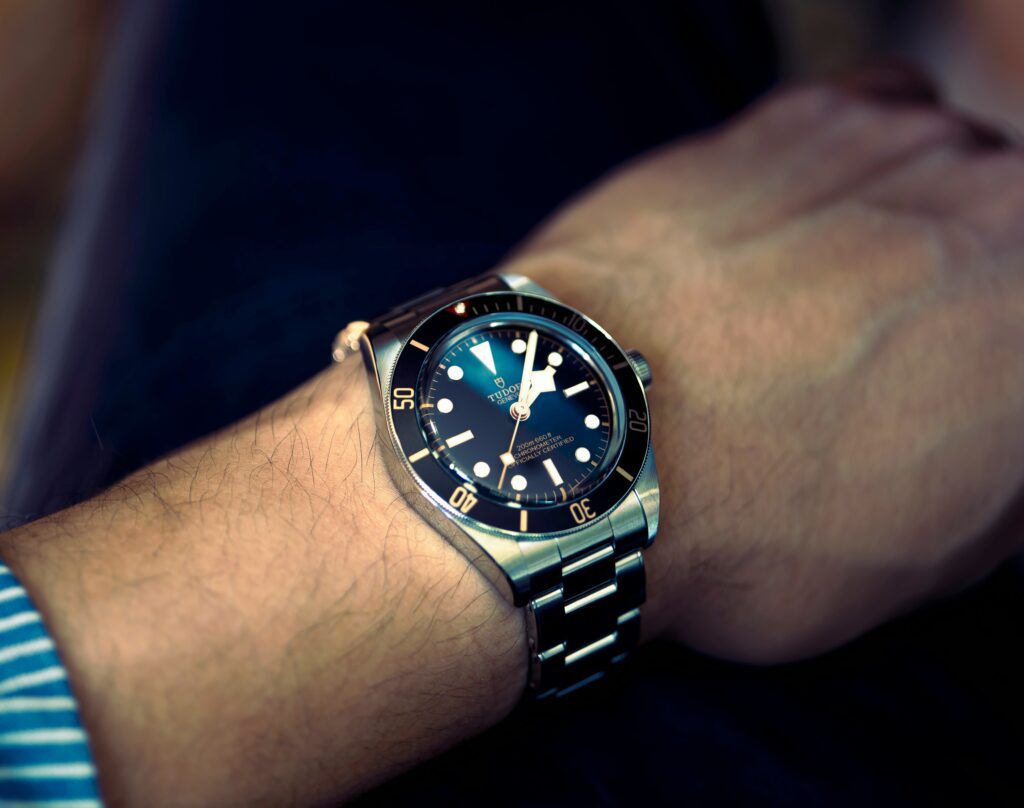
If you’re looking for something you can wear regularly without adjusting your routine around it, Tudor tends to deliver. The watches are durable, well-proportioned and don’t require much thought once they’re on your wrist.
It also works particularly well if you already own other watches and want something that fills a gap rather than replaces anything.
You’ll often see Tudor chosen for:
- Daily wear where durability matters more than presence
- Travel or weekends, when a lower-profile watch feels more appropriate
- Rotation pieces, especially in collections that already include more recognisable brands
Availability also plays a role here. In a market where certain models are still difficult to access, Tudor remains relatively straightforward to buy, both new and pre-owned, which makes the process much less frustrating.
Trotters Top Tip: Tudor tends to make more sense once you stop comparing it directly to Rolex. Look at it as its own proposition, and the strengths become clearer.
Is Tudor a Good Investment?
That same positioning can create a bit of tension, particularly if you’re approaching the purchase from a different angle. For buyers who prioritise brand recognition, Tudor doesn’t carry the same immediate impact. That’s not necessarily a drawback, but it does change how the watch is perceived, both personally and by others.
There’s also the question of value retention. Tudor holds up well, but it doesn’t tend to move in the same way as Rolex in the pre-owned market. Prices are generally stable rather than reactive, which suits some buyers but may feel less appealing to others.
In simple terms:
- You’re less likely to see sharp price increases
- Demand is consistent rather than driven by hype
- Value is closer to the watch itself, rather than external perception
That balance is worth understanding before you buy a pre-owned Tudor.
Tudor in the Pre-Owned Market
This is where Tudor arguably becomes more compelling because it doesn’t carry the same premium as some competing brands, the focus shifts away from chasing availability and towards choosing the right example. That’s a much more straightforward way to buy.
You’ll often find:
- A wider range of models available at any given time
- More flexibility when comparing condition and pricing
- Less pressure to “buy quickly” compared to more in-demand brands
Condition becomes the key factor here. Tudor watches are often worn properly, which is part of their appeal, but it also means variation between examples can be more noticeable.
When reviewing pre-owned pieces, it’s worth paying closer attention to:
- Case edges and signs of polishing
- Bracelet wear, particularly on frequently worn models
- Overall consistency between components
Tudor Models That Continue to Perform
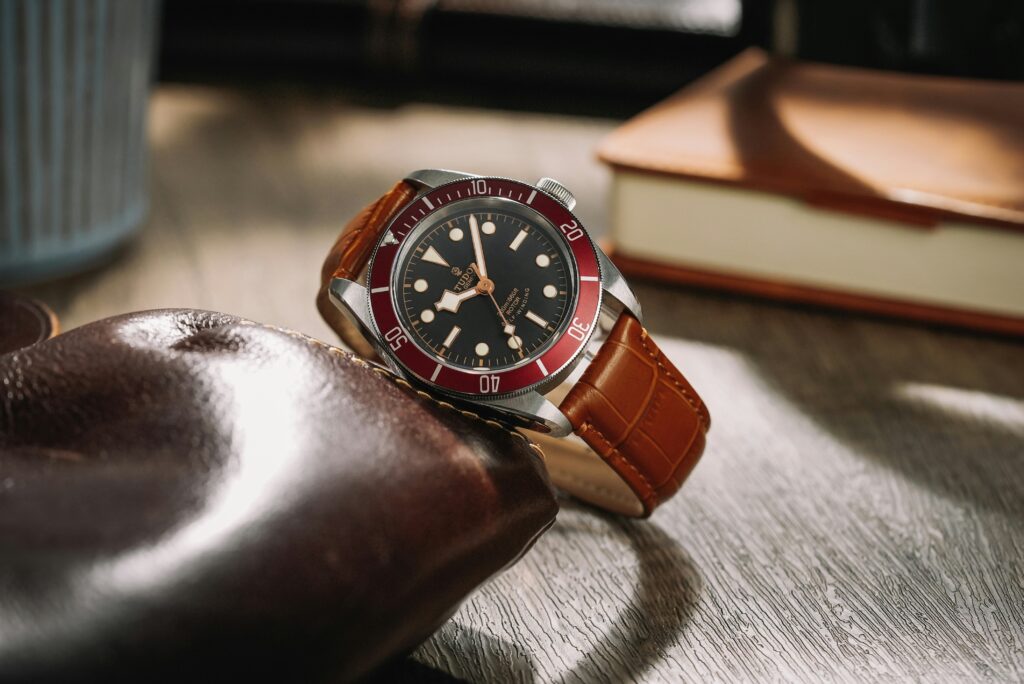
Rather than trying to cover the entire range, it’s more useful to focus on where interest tends to sit.
Black Bay: The core of the Tudor range. It covers everything from more traditional dive watches to slightly more refined variations, which is why it continues to attract a broad audience.
Pelagos: A more technical option, often chosen by buyers who want something with a clearer purpose. It feels slightly more specialised, but that’s part of the appeal.
Ranger: Simpler and more understated. It doesn’t try to stand out, which makes it an easy watch to wear if you prefer something quieter.
These models tend to hold attention because they represent the brand at its clearest.
How Tudor Fits Into a Collection
This is where Tudor often makes the most sense, particularly for buyers who already own other watches. It’s rarely the piece that defines a collection. Instead, it tends to support it by filling in the gaps that other watches don’t quite cover.
In practical terms, that usually looks like this:
A watch you don’t hesitate to wear. When you don’t want to think about where you’re going or what you’re doing, Tudor is often the one that gets picked up first.
A counterbalance to more recognisable pieces. If you already own something like a Rolex, Tudor can feel like a more relaxed alternative that still offers quality without the same visibility.
A way to simplify your rotation. Some buyers find themselves wearing Tudor more often simply because it’s easier. It doesn’t demand attention, which makes it more versatile over time.
An entry point that doesn’t feel temporary. Even as collections grow, Tudor tends to stay relevant rather than being replaced.
Trotters Top Tip: If a watch feels easy to wear from the start, it usually ends up getting the most wrist time. Tudor tends to fall into that category.
Is Tudor Worth Buying in 2026?
It depends on what you’re expecting from it. If you’re looking for strong brand recognition or investment-driven growth, there are other brands that do that more clearly. If you’re looking for a well-built, reliable watch that fits into everyday life without friction, Tudor remains one of the easiest choices In 2026, that clarity is what defines it. It doesn’t try to compete on every level, which is why it continues to appeal to buyers who know exactly what they want.
At Trotters Jewellers, we source and sell pre-owned Tudor watches with a focus on clear presentation and accurate condition descriptions. Each watch is inspected before being listed, so you can assess it properly before purchasing. All watches are supplied with a 12 month warranty and are available to purchase securely online, with fully insured UK delivery.
About the Author
Written by the Trotters Jewellers team, specialists in pre-owned luxury watches and certified diamond jewellery since 1991, based in the City of London.
Frequently Asked Questions
Is Tudor a good watch brand?
Tudor is widely regarded as a reliable and well-built watch brand, particularly for everyday use. It focuses on durability and simplicity rather than complex features, which appeals to a broad range of buyers.
Does Tudor hold value?
Tudor watches tend to hold value steadily rather than seeing sharp increases. Prices in the pre-owned market are generally consistent, with variation depending on model, condition and demand.
Is Tudor better than Rolex?
Tudor and Rolex serve different purposes, even though they are closely connected. Rolex focuses more on brand recognition and long-term value, while Tudor offers a more accessible and practical alternative.
Is Tudor worth buying over Omega?
This depends on what you prioritise in a watch. Tudor is often chosen for its simplicity and ease of wear, while Omega offers a wider range of designs and more technical features.