
 Buy
Buy Sell
Sell Exchange





Jewellery
How to Choose the Perfect Diamond Necklace
Aug
A diamond necklace can be understated enough to wear every day or bold enough to become the centrepiece of an outfit. The key is finding the right balance between the diamond, chain and overall design rather than simply choosing the largest stone.
At Trotters Jewellers, our collection includes natural and lab-grown diamond necklaces, from classic pendants to statement tennis chains. Whether you’re buying for yourself or choosing a luxury gift, this guide covers the details worth considering before you make your choice.
Start With How You’ll Wear It
Before comparing diamonds, think about what you actually want from the necklace.
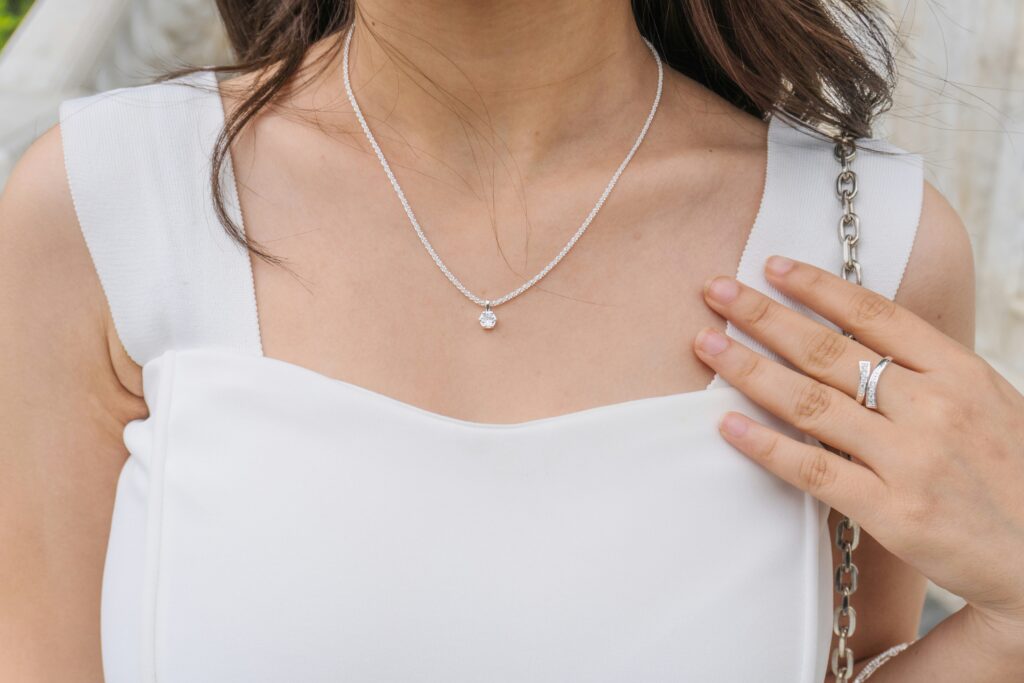
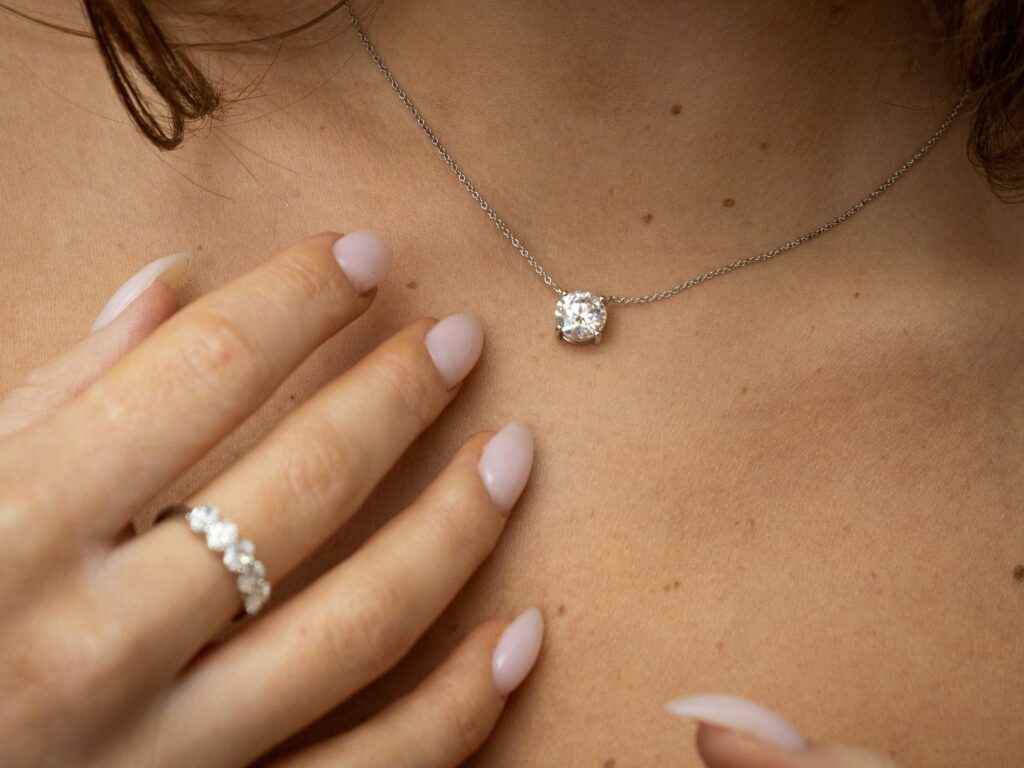
For something you can put on in the morning and rarely need to think about, a simple diamond pendant is difficult to beat. It works with casual clothing, office wear and more formal outfits without feeling out of place.
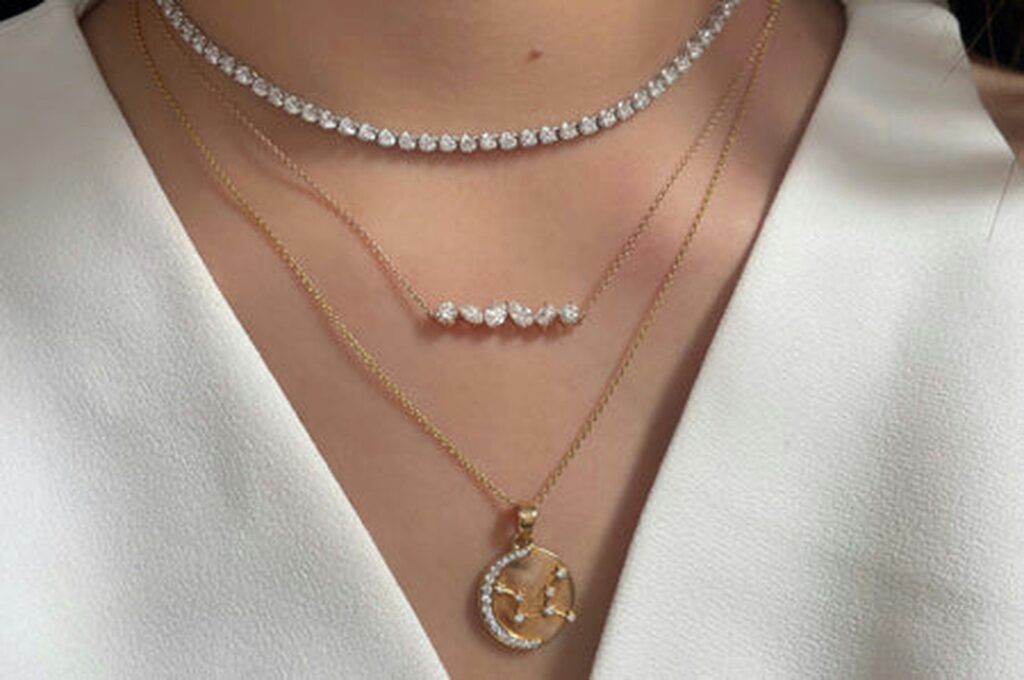
If you’re looking for something with greater impact, a larger pendant, multi-stone necklace or diamond tennis chain will naturally command more attention. These designs can still be extremely wearable, but they’re much more likely to become a defining part of an outfit.
The occasion matters when you’re buying a gift too. A classic pendant can mark a birthday, anniversary or milestone without being tied to one particular style of dressing, while a tennis chain makes a stronger statement for a significant celebration.
There’s no single “perfect” diamond necklace. The best choice is the one that fits naturally into the way you or the person receiving it already wears jewellery.
Diamond Pendant, Necklace or Tennis Chain?
These terms are sometimes used interchangeably, but the designs can look very different when worn.
Diamond Pendants
A diamond pendant typically places one diamond or a decorative diamond setting at the centre of a chain. The simplicity is a large part of the appeal. With fewer competing details, attention remains on the diamond itself, making pendants a strong choice for everyday jewellery and gifting. They also pair easily with other pieces without overwhelming them.
If you’re buying someone’s first diamond necklace, a classic pendant is often an excellent place to start.
Diamond Necklaces
Diamond necklaces cover a much broader range of designs. Rather than having a single pendant hanging from the chain, diamonds may be incorporated into the necklace itself or arranged across a larger section of the design.
That opens up more choice, from delicate pieces with subtle diamond detailing to multi-stone necklaces offering considerably more sparkle. The important consideration is how the design sits when worn. A necklace should feel balanced across the neckline rather than looking overly heavy in one area or constantly moving out of position.
Diamond Tennis Chains
A tennis chain takes the idea much further, with diamonds set continuously around all or a significant portion of the necklace. The result is unmistakable. Instead of one central point of brilliance, light is reflected across the neckline, giving tennis chains a much stronger visual presence.
Diamond tennis chains can be worn as statement pieces in their own right, but they’re also increasingly styled more casually. The choice of diamond size, chain width and length can make the difference between a relatively refined tennis chain and something designed to immediately stand out.
Explore our collection of diamond necklaces and pendants to compare natural and lab-grown diamond designs, including classic pendants and diamond tennis chains.
Getting the Length and Proportions Right
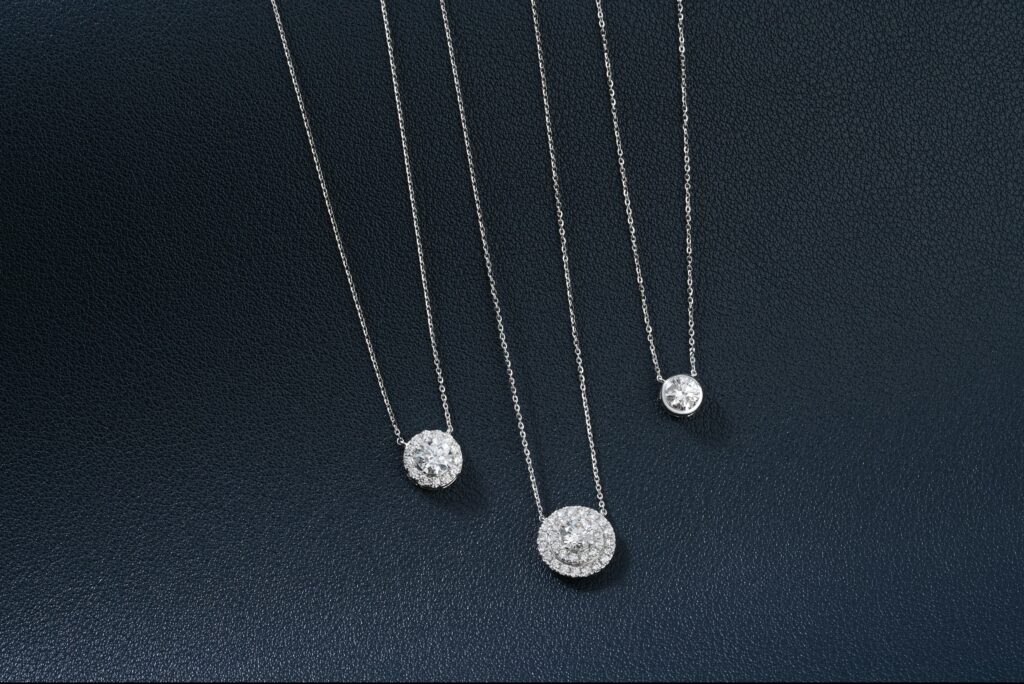
A necklace can look completely different depending on where it sits.
Shorter chains position the diamond higher on the chest and can work particularly well with open necklines, while longer chains create more space between the neckline and pendant. The right choice depends on your build, clothing and how you want the necklace to sit.
As a general reference:
| Necklace Length | Where It Typically Sits |
| 16 inches | Close to the base of the neck on many wearers |
| 18 inches | Around the collarbone and a popular length for pendants |
| 20 inches | Slightly lower on the chest for a more relaxed look |
| 22 inches+ | Creates a longer drop and can suit larger pendants or layered styling |
These measurements are a guide rather than a rule. The same chain length will sit differently depending on the wearer, so it’s worth considering existing necklaces that already fit well.
How Big Should the Diamond Be?
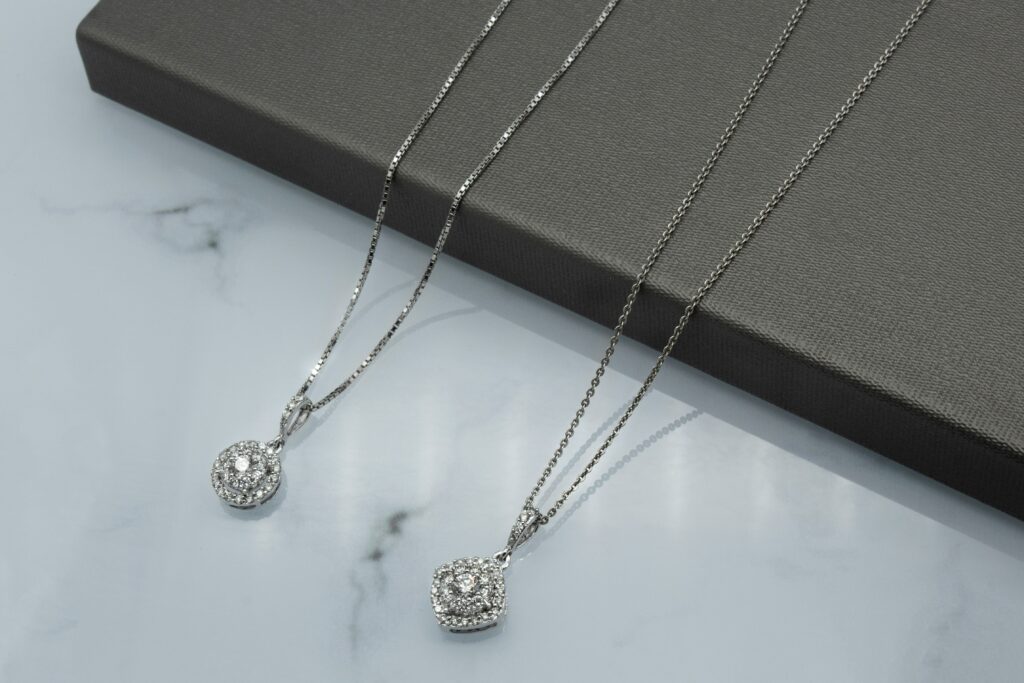
Carat weight tells you how much a diamond weighs, not exactly how large it will look.
Two diamonds with the same carat weight can appear slightly different in size depending on their cut and proportions. The setting also affects how prominent the stone appears once it’s being worn.
For a pendant, think about the relationship between the diamond and chain. A delicate chain can complement a smaller stone beautifully, while a larger diamond generally needs enough visual weight around it to make the finished necklace feel balanced.
Tennis chains require a slightly different approach because you’re considering the combined effect of multiple diamonds. Here, the size and consistency of the stones across the necklace are just as important as the overall carat weight. Rather than treating bigger as automatically better, look for proportions that make the complete piece feel considered.
Natural or Lab-Grown Diamond Necklace?
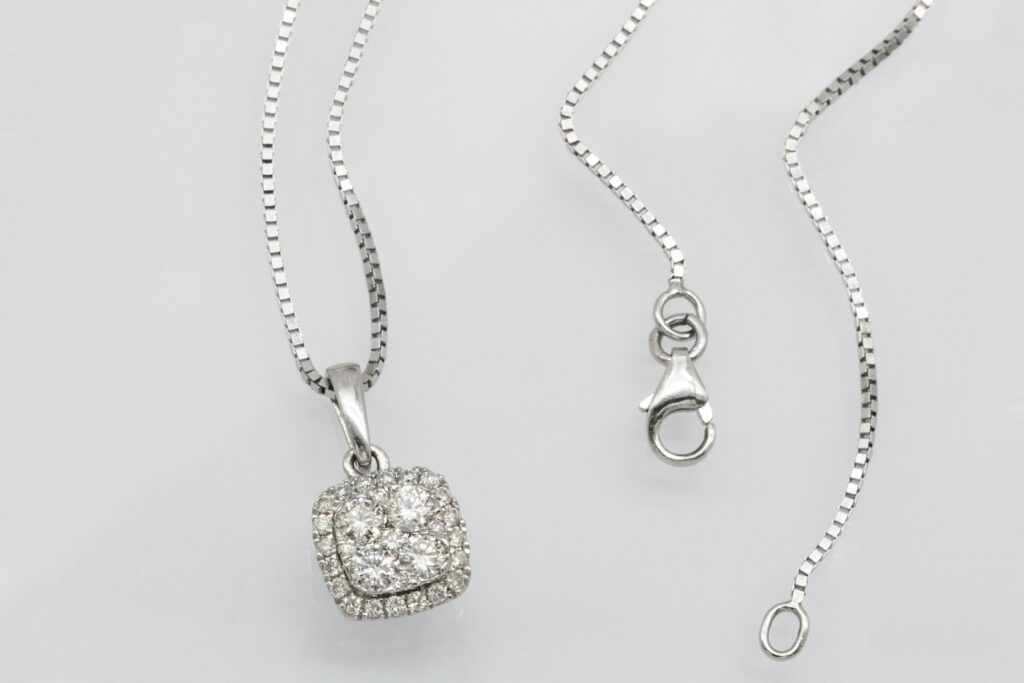
Both natural and lab-grown diamonds offer the brilliance, durability and beauty associated with diamond jewellery. The main difference is how the diamond was formed.
Natural diamonds develop underground over billions of years, while lab-grown diamonds are created in controlled environments using technology that replicates the conditions in which diamonds naturally form. Once created, lab-grown diamonds have the same physical and optical properties as natural diamonds.
Your choice comes down largely to personal preference and budget.
Lab-grown diamonds can offer greater flexibility when it comes to diamond size and quality at a particular price point. This can be especially noticeable with pieces containing larger stones or multiple diamonds, where the overall carat weight becomes more significant.
Natural diamonds remain popular with buyers who place particular value on their natural origin and rarity. Neither choice changes the fundamental question you should be asking: does the finished necklace look and feel right for you?
At Trotters, our collection includes both natural and lab-grown diamond necklaces, allowing you to compare different styles before making your decision.
Don’t Overlook the Setting, Chain and Clasp
The diamonds may attract most of the attention, but a well-made necklace depends on much more than the stones alone.
The Setting
A good setting should hold the diamond securely while allowing its shape and brilliance to remain the focus.
For a pendant, consider how much metal surrounds the diamond and how the setting connects to the chain. With multi-stone necklaces and tennis chains, consistency becomes particularly important. The individual settings should work together so the necklace sits comfortably and the diamonds create an even appearance.
The Chain
The chain needs to complement the design rather than compete with it.
A fine chain can work beautifully with a delicate pendant, while a larger diamond or heavier setting may benefit from something more substantial. Look at the necklace as a complete piece rather than treating the chain as an afterthought.
The Clasp
It’s a small detail, but an important one. A clasp should feel secure and appropriate for the weight and value of the necklace, while remaining practical enough to use.
This becomes particularly important with heavier diamond necklaces and tennis chains. Before buying, it’s worth understanding how the fastening works and making sure you feel comfortable using it.
The Metal
Finally, consider how the precious metal works with both the diamonds and the jewellery you already own.
White metals create a clean, contemporary appearance around diamonds, while yellow gold introduces more contrast and warmth. Rose gold offers a softer alternative. If you already wear jewellery regularly, choosing a metal that works alongside those pieces can make your new necklace considerably easier to style.
Choosing a Diamond Necklace as a Gift
A diamond necklace makes an excellent gift because there’s no need to know a ring size, yet there’s still plenty of scope to choose something personal.
Start with the jewellery the recipient already wears. Do they usually choose yellow or white metals? Is their jewellery understated or more noticeable? Do they wear necklaces every day, or mainly for evenings and special occasions?
Those small clues are often more useful than trying to guess what someone might like from scratch.
If you’re unsure, a simple diamond pendant is one of the safest choices. Its clean design works across different ages and styles, and it can easily become a piece that’s worn regularly rather than saved for occasional use.
For a significant birthday, anniversary or milestone, you may want something with more presence. A larger pendant, multi-stone necklace or diamond tennis chain can turn the gift into a real statement piece.
The price or carat weight doesn’t need to dictate how meaningful the gift feels, choosing a design that genuinely suits the person receiving it matters far more.
Find Your Diamond Necklace at Trotters Jewellers
At Trotters Jewellers, our collection brings together natural and lab-grown diamond necklaces and pendants, from understated designs for everyday wear to diamond tennis chains with considerably more presence.
Our lab-grown diamonds are independently certified by the International Gemological Institute (IGI), while our experienced jewellery team can help you compare diamond sizes, metals and designs to find the piece that works for you.
Explore our diamond necklaces and pendants online or visit our Liverpool Street showroom to see the collection in person.
You can also discover our wider lab-grown diamond jewellery collection, including diamond rings, diamond bracelets and diamond earrings, whether you’re searching for another piece to wear alongside your necklace or choosing jewellery for a special occasion.
About the Author
Written by the Trotters Jewellers team, specialists in pre-owned luxury watches and certified diamond jewellery since 1991, based in the City of London.