
 Buy
Buy Sell
Sell Exchange





Watch Investment
The Holy Trinity of Watchmaking: What Does It Mean?

Jul
You’ll often hear experienced collectors refer to the “Holy Trinity” of watchmaking, but what does the term actually mean?
Unlike official industry awards or certifications, the Holy Trinity isn’t a formal title. Instead, it’s a name given by collectors and enthusiasts to three Swiss watchmakers that have had an extraordinary influence on traditional watchmaking: Patek Philippe, Audemars Piguet and Vacheron Constantin..
These brands have earned their reputation through centuries of innovation, exceptional craftsmanship and a commitment to creating some of the world’s finest mechanical watches. While names such as Rolex and Omega are recognised globally, the Holy Trinity represents a slightly different corner of the luxury watch world, one where hand-finishing, technical mastery and traditional watchmaking take centre stage.
At Trotters Jewellers, we regularly speak to clients who are beginning to explore these prestigious manufacturers for the first time. Whether you’re considering your first “haute horlogerie” timepiece or simply want to understand why these brands are held in such high regard, this guide explains what the Holy Trinity is, why these three names are included and whether one could be the right addition to your collection.
The Holy Trinity at a Glance
| Brand | Founded | Known For | Iconic Collections |
| Vacheron Constantin | 1755 | The world’s oldest continuously operating watch manufacture, celebrated for refined craftsmanship and elegant complications. | Overseas, Fiftysix, Patrimony, Traditionnelle |
| Patek Philippe | 1839 | Exceptional finishing, complicated movements and some of the most collectable watches ever produced. | Nautilus, Aquanaut, Calatrava, Grand Complications |
| Audemars Piguet | 1875 | Independent watchmaking and the creation of one of the world’s most influential luxury sports watches. | Royal Oak, Royal Oak Offshore, Code 11.59 |
Although each brand has developed its own identity, they all share a dedication to traditional Swiss craftsmanship, in-house watchmaking and exceptional finishing that has earned the admiration of collectors around the world.
What Is the Holy Trinity of Watchmaking?
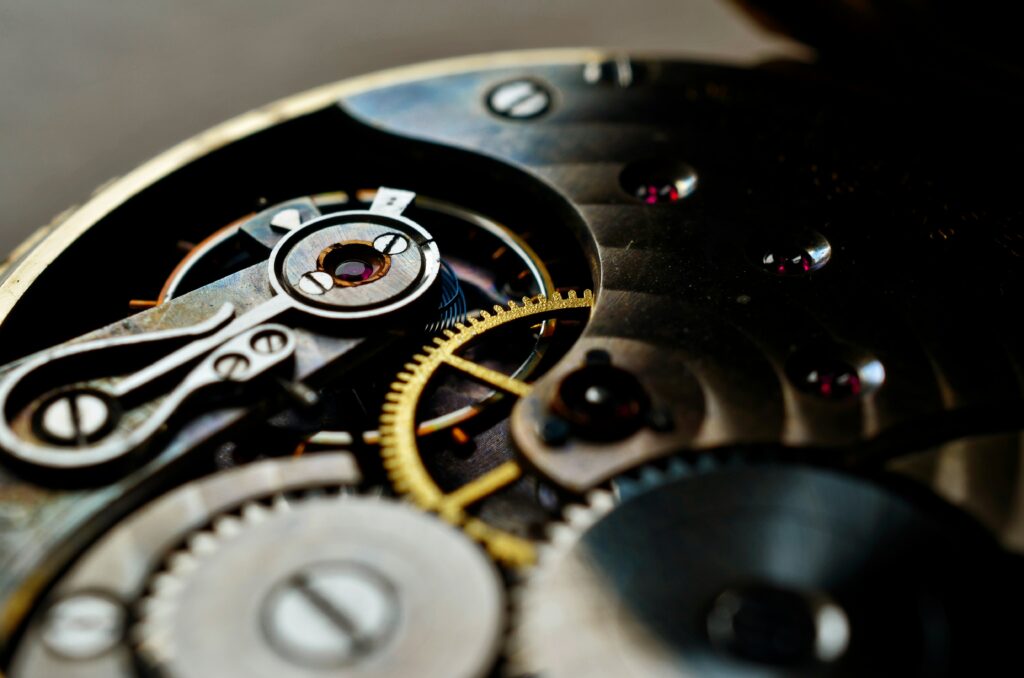
The phrase “Holy Trinity” has been part of the watch collecting community for decades, but it can sometimes give the impression that these are officially ranked as the world’s three best watch brands.
That isn’t actually the case.
Instead, the Holy Trinity is an informal term used to describe three manufacturers that have consistently demonstrated the highest standards of traditional Swiss watchmaking. Each has made a significant contribution to the industry through innovation, craftsmanship and mechanical expertise, while remaining committed to producing watches that are as technically impressive as they are beautifully finished.
What unites these brands isn’t a particular style or price point. In fact, their collections are remarkably different. Rather, it’s their shared philosophy of creating watches where every detail matters, from the architecture of the movement to the finishing applied by hand.
You’ll often hear another term used alongside the Holy Trinity: haute horlogerie.
Translated from French, it simply means “high watchmaking”, but within the industry it represents something far more significant. Haute horlogerie refers to watches that combine technical innovation with exceptional craftsmanship, often involving intricate hand-finishing, complicated movements and production methods that prioritise quality over quantity. It’s this commitment to traditional watchmaking that has secured the place of Patek Philippe, Audemars Piguet and Vacheron Constantin. within the Holy Trinity.
Why Are These Three Brands Considered the Holy Trinity?
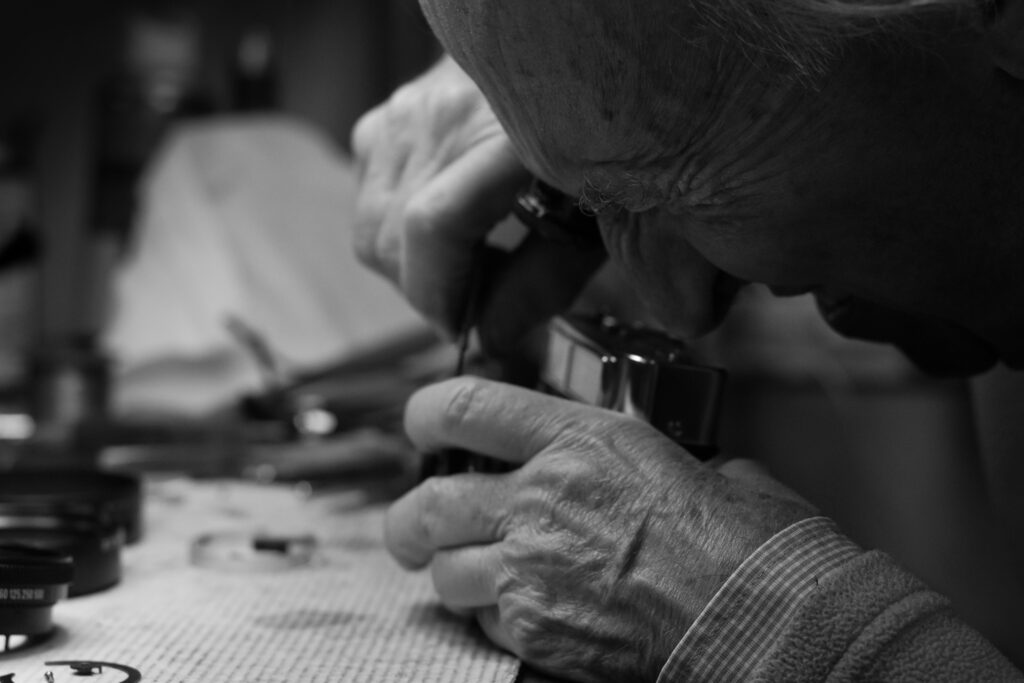
At first glance, Patek Philippe, Audemars Piguet and Vacheron Constantin seem very different. One is renowned for elegant dress watches and highly complicated movements, another changed the industry with the luxury sports watch, while the third has quietly produced exceptional timepieces for more than 270 years. Yet beneath those differences is a shared approach to watchmaking that has earned each brand its place among the industry’s elite.
Rather than chasing trends or producing watches in high volumes, these three manufacturers have built their reputations through generations of craftsmanship, technical innovation and an unwavering commitment to quality.
A Shared Commitment to Craftsmanship
Every luxury watch requires skill to produce, but haute horlogerie takes that craftsmanship to another level. From hand-finished movement components to carefully polished cases and beautifully executed dials, every detail is considered. Many finishing techniques are still completed by hand, requiring years of experience to master and contributing to the distinctive character collectors have come to expect from each brand.
This attention to detail often isn’t immediately visible. It’s found in the sharp interior angles of a movement bridge, the polished edges of a component or the perfectly balanced proportions of a dial. These are the details that watch enthusiasts admire and that continue to separate the Holy Trinity from many other manufacturers.
Technical Innovation That Changed Watchmaking
While these brands are deeply rooted in tradition, they have also played an important role in advancing mechanical watchmaking. Across their long histories, they have introduced groundbreaking complications, refined movement architecture and pushed the boundaries of what is mechanically possible. From perpetual calendars and minute repeaters to ultra-thin calibres and sophisticated world timers, innovation has always been central to their identity.
Importantly, these developments have never come at the expense of craftsmanship. Technical excellence and aesthetic refinement have evolved together, which is one of the defining characteristics of haute horlogerie.
Heritage That Continues to Shape Modern Collections
Unlike brands that regularly reinvent themselves, the Holy Trinity has remained remarkably consistent. Each manufacturer continues to draw inspiration from its own history, refining established design principles rather than abandoning them. That continuity helps explain why a modern Vacheron Constantin Patrimony, Patek Philippe Calatrava or Audemars Piguet Royal Oak still feels unmistakably connected to the brand’s heritage.
For collectors, this sense of continuity adds another layer of appeal. These watches are not simply luxury products; they represent centuries of accumulated knowledge and watchmaking expertise.
What Defines a Holy Trinity Watch?
Although each manufacturer has its own identity, collectors often associate the Holy Trinity with a number of shared characteristics.
| Characteristic | Why It Matters |
| Exceptional Finishing | Hand-finished movements, cases and components that demonstrate outstanding craftsmanship. |
| In-House Watchmaking | Movements are developed and manufactured by the brand, showcasing genuine technical expertise. |
| Complicated Movements | Many models feature advanced complications such as perpetual calendars, tourbillons and minute repeaters. |
| Long Watchmaking Heritage | Each manufacturer has spent generations refining its craft and influencing Swiss watchmaking. |
| Limited Production | Compared with many luxury brands, production volumes remain relatively low, adding to their exclusivity. |
| Collector Appeal | Their combination of heritage, craftsmanship and innovation has made them some of the most respected names in watch collecting. |
Trotters Top Tip: Don’t think of the Holy Trinity as a league table. Rolex, Omega and Cartier all produce exceptional luxury watches, but they’re recognised for different reasons. The Holy Trinity simply refers to three manufacturers that have become synonymous with traditional haute horlogerie, exceptional finishing and centuries of mechanical watchmaking expertise.
Meet the Holy Trinity
Although Patek Philippe, Audemars Piguet and Vacheron Constantin. are often grouped together, they have each followed a very different path through the history of Swiss watchmaking. Understanding those differences is often just as important as understanding what they have in common. For many buyers, it’s these distinct personalities that ultimately shape their decision.
Patek Philippe: The Benchmark for Traditional Watchmaking
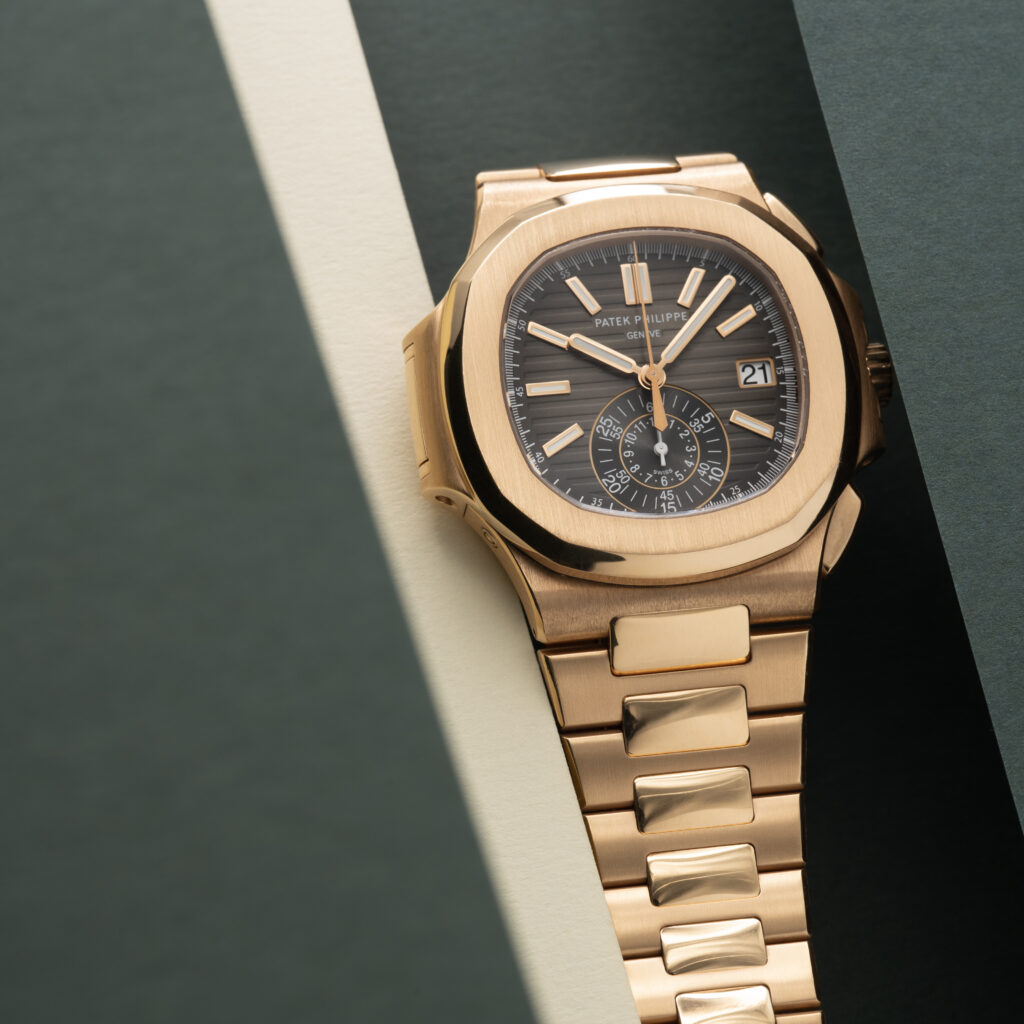
Few names carry the same prestige as Patek Philippe.
Founded in 1839, the Geneva-based manufacturer has built a reputation for producing some of the world’s most accomplished mechanical watches. While the brand is perhaps best known today for iconic collections such as the Nautilus and Aquanaut, its reputation was established long before the arrival of luxury sports watches. Patek Philippe has spent generations refining complicated watchmaking, producing perpetual calendars, minute repeaters, split-second chronographs and world timers that continue to set benchmarks across the industry. Combined with meticulous hand-finishing and relatively low production numbers, these qualities have made many Patek Philippe references highly sought after by collectors.
What often surprises first-time buyers is how understated many Patek Philippe watches feel. Despite their technical complexity, the designs are typically elegant, restrained and intended to stand the test of time rather than follow changing trends.
For many enthusiasts, owning a Patek Philippe represents more than acquiring another luxury watch. It’s about becoming part of a watchmaking tradition that has influenced the entire industry for almost two centuries.
Audemars Piguet: The Brand That Changed Luxury Sports Watches
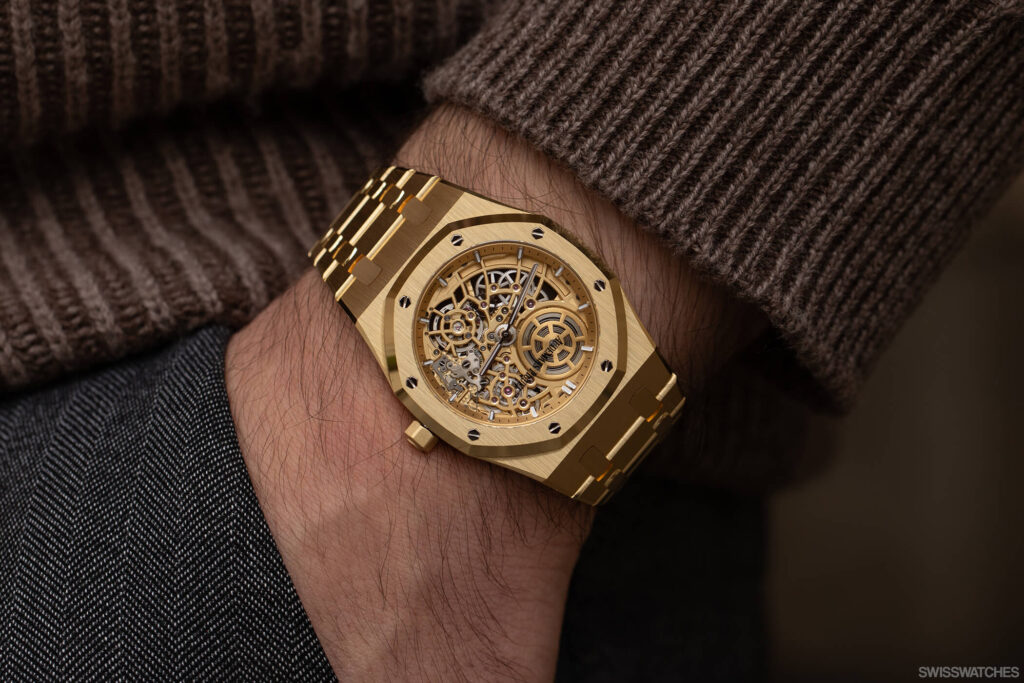
If Patek Philippe is known for preserving tradition, Audemars Piguet is celebrated for challenging expectations.
Founded in 1875 in Le Brassus, the independent Swiss manufacturer enjoyed a strong reputation among collectors long before the release of the Royal Oak. However, it was this groundbreaking design that transformed both the company and the wider watch industry.
Introduced in 1972 and designed by the legendary Gérald Genta, the Royal Oak broke almost every convention of luxury watchmaking at the time. Its exposed bezel screws, integrated bracelet and stainless steel construction were unlike anything buyers had seen before. Initially considered controversial, it has since become one of the most influential luxury watches ever created. Today, the Royal Oak remains the collection most closely associated with Audemars Piguet, but the brand’s appeal extends beyond a single model. Exceptional movement finishing, technical innovation and a willingness to push design boundaries continue to define its modern catalogue.
For collectors looking for a watch with unmistakable character and one of the strongest design identities in the industry, Audemars Piguet offers something truly distinctive.
Vacheron Constantin: Quiet Confidence, Refined Craftsmanship

Vacheron Constantin approaches watchmaking from a slightly different perspective.
Established in 1755, it is recognised as the world’s oldest watch manufacture in continuous operation, a distinction that reflects more than 270 years of uninterrupted craftsmanship and innovation.
Rather than seeking the spotlight, Vacheron Constantin has built its reputation through refinement. The brand is admired for beautifully proportioned cases, elegant dial layouts and movements finished to an exceptional standard. Its watches rarely demand attention, yet they are immediately recognised and appreciated by experienced collectors.
Modern collections such as the Overseas have introduced a more contemporary and versatile side to the brand, while lines including the Patrimony and Traditionnelle continue to demonstrate the timeless elegance that has long defined Vacheron Constantin. Many collectors describe Vacheron Constantin as the connoisseur’s choice. It appeals to those who value subtlety, traditional craftsmanship and the satisfaction of owning a watch that rewards closer inspection rather than instant recognition.
Three Brands, Three Different Personalities
Although they’re united by craftsmanship and heritage, these manufacturers appeal to buyers for very different reasons.
| Brand | Often Appeals To Buyers Who… |
| Patek Philippe | Appreciate traditional watchmaking, complicated movements and timeless elegance. |
| Audemars Piguet | Want bold design, strong identity and one of the world’s most iconic luxury sports watches. |
| Vacheron Constantin | Value understated luxury, exceptional finishing and centuries of uninterrupted watchmaking heritage. |
The best choice isn’t necessarily the most prestigious or the most recognisable. It’s the one whose philosophy, design language and approach to watchmaking best reflects what you’re looking for as a collector.
Why Isn’t Rolex Part of the Holy Trinity?
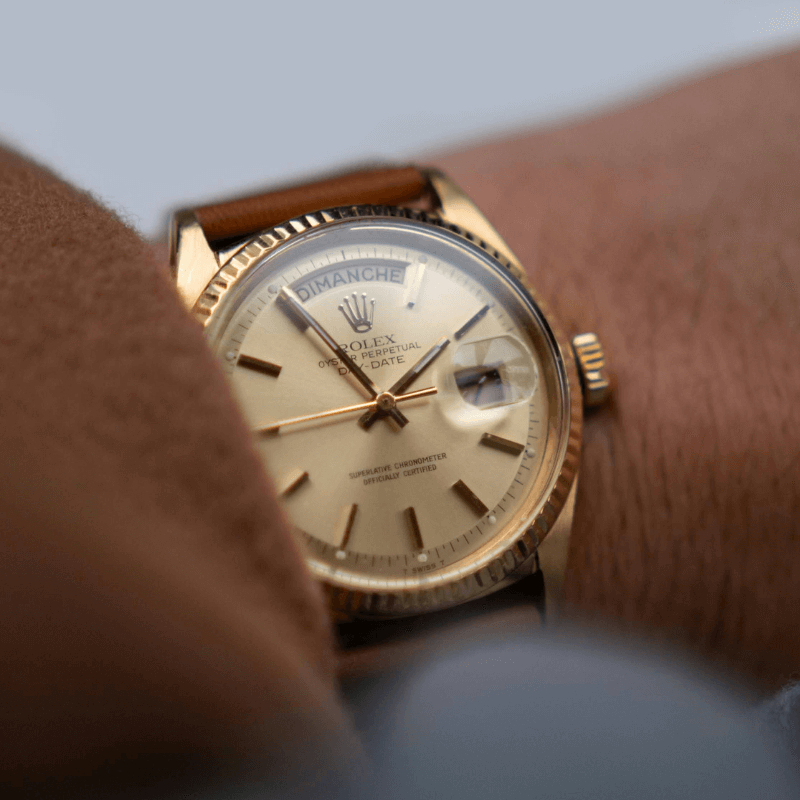
This is one of the most common questions collectors ask. Rolex is undoubtedly one of the world’s greatest luxury watch brands, so its absence from the Holy Trinity often surprises first-time buyers. The explanation isn’t about quality or prestige. Instead, it reflects a different approach to watchmaking.
Rolex built its reputation by producing exceptionally reliable watches designed to be worn every day. From pioneering waterproof cases to creating some of the world’s most iconic sports watches, the brand has always prioritised practicality alongside luxury.
The Holy Trinity manufacturers are recognised for something slightly different. Their reputations are built around traditional craftsmanship, intricate hand-finishing and highly complicated mechanical movements, often produced in much smaller numbers.
Both approaches have shaped modern watchmaking, which is why many collectors choose to own Rolex alongside brands such as Patek Philippe, Audemars Piguet and Vacheron Constantin rather than viewing them as direct competitors.
Does the Holy Trinity Still Matter?
The luxury watch industry has evolved considerably, with many outstanding manufacturers producing exceptional timepieces. Even so, the Holy Trinity remains a respected term because it represents three brands that have consistently influenced the highest levels of traditional Swiss watchmaking.
Rather than being viewed as a definitive ranking, it’s better understood as a celebration of craftsmanship, heritage and mechanical excellence. Whether you ultimately choose one of these brands or another luxury manufacturer, understanding the Holy Trinity offers valuable insight into the history and artistry behind fine watchmaking.
Buying a Pre-Owned Holy Trinity Watch
For many collectors, the pre-owned market offers the best opportunity to experience these remarkable manufacturers. Alongside greater availability, buying pre-owned gives access to discontinued references, earlier generations and highly sought-after models that may no longer be available new.
As with any luxury watch purchase, condition, originality and provenance remain key considerations. Buying from a trusted specialist can provide valuable reassurance, helping you purchase with confidence while understanding exactly what you’re adding to your collection.
If you’re new to the pre-owned market, our guides on What to Look for When Buying a Pre-Owned Watch and How to Check a Watch’s Condition Before Buying offer practical advice before making your decision.
Explore Holy Trinity Watches at Trotters Jewellers

At Trotters Jewellers, we specialise in sourcing exceptional pre-owned luxury watches from some of the world’s most respected manufacturers, including Patek Philippe, Audemars Piguet and Vacheron Constantin.
Whether you’re exploring the Holy Trinity for the first time or adding another piece to an established collection, our team is here to help you compare models, understand the differences between each brand and find the watch that feels right for you. Explore our collections online or visit our Liverpool Street showroom to discover these remarkable manufacturers for yourself.