
 Buy
Buy Sell
Sell Exchange




Watch Investment
How to Check a Watch’s Condition Before Buying
Jun
Buying a pre-owned luxury watch can be one of the most rewarding ways to enter the world of watch collecting. Whether you’re considering your first Rolex, exploring Cartier, comparing Omega models or adding a new piece to an established collection, the pre-owned market offers access to watches that may no longer be available at retail and often at a more accessible price point.
However, condition matters. Two examples of the same watch can look remarkably similar in photographs while offering very different ownership experiences once they’re on the wrist. Understanding what to look for before you buy can help you avoid costly mistakes and make a more informed decision.
At Trotters Jewellers, we’ve handled thousands of pre-owned luxury watches over the years. In this guide, we’ll walk through the key areas we assess when evaluating a watch and explain why they matter.
The Quick Condition Checklist
Before buying a pre-owned watch, check:
- Case condition
- Bracelet or strap wear
- Dial condition
- Crystal condition
- Service history
- Originality of components
- Box and papers
- Seller reputation
Each of these factors contributes to the overall condition, desirability and long-term enjoyment of the watch. Let’s take a closer look at what they can tell you.
Start With the Case
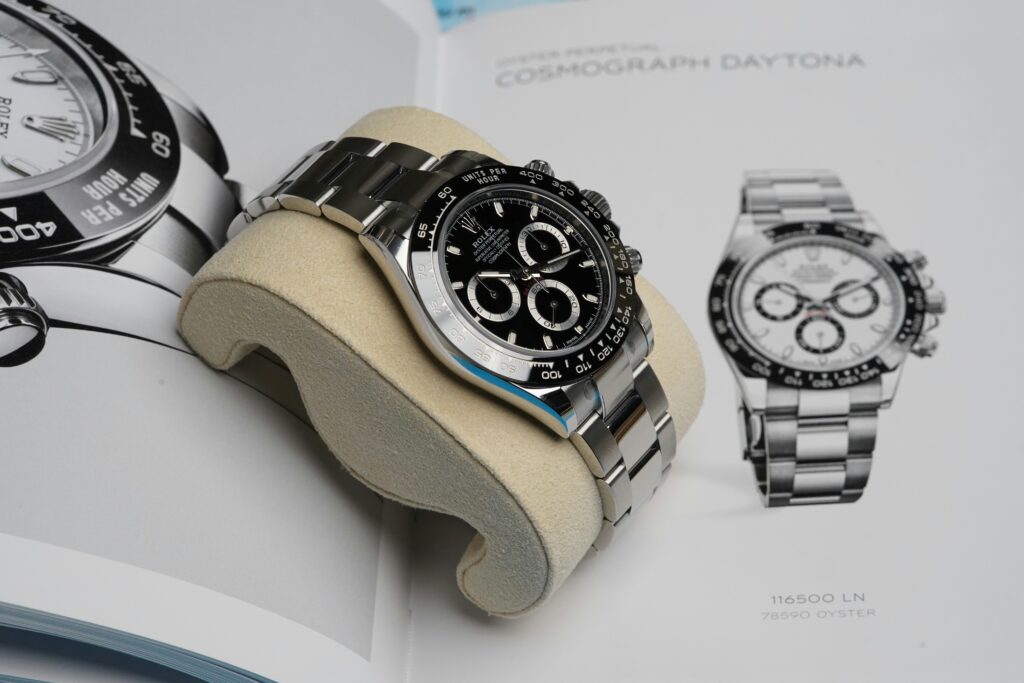
The case is often the first thing buyers notice, but it’s also one of the most misunderstood aspects of watch condition.
Many first-time buyers focus on scratches, assuming a watch with fewer visible marks must be the better option. In reality, minor signs of wear are often far less important than the overall shape of the case.
Look for Sharp Edges and Defined Lines
Luxury watches are manufactured with carefully defined proportions. Over time, repeated polishing can soften these lines and remove metal from the case. A lightly worn watch with crisp edges is often more desirable than a heavily polished example that appears flawless at first glance.
Pay particular attention to:
- Lug shape and definition
- Bevels and chamfers
- Symmetry between both sides of the case
- Consistency of brushed and polished surfaces
Trotters Top Tip: Don’t be afraid of honest wear. Small marks can be part of a watch’s story. Excessive polishing is much harder to reverse.
Don’t Forget the Bracelet
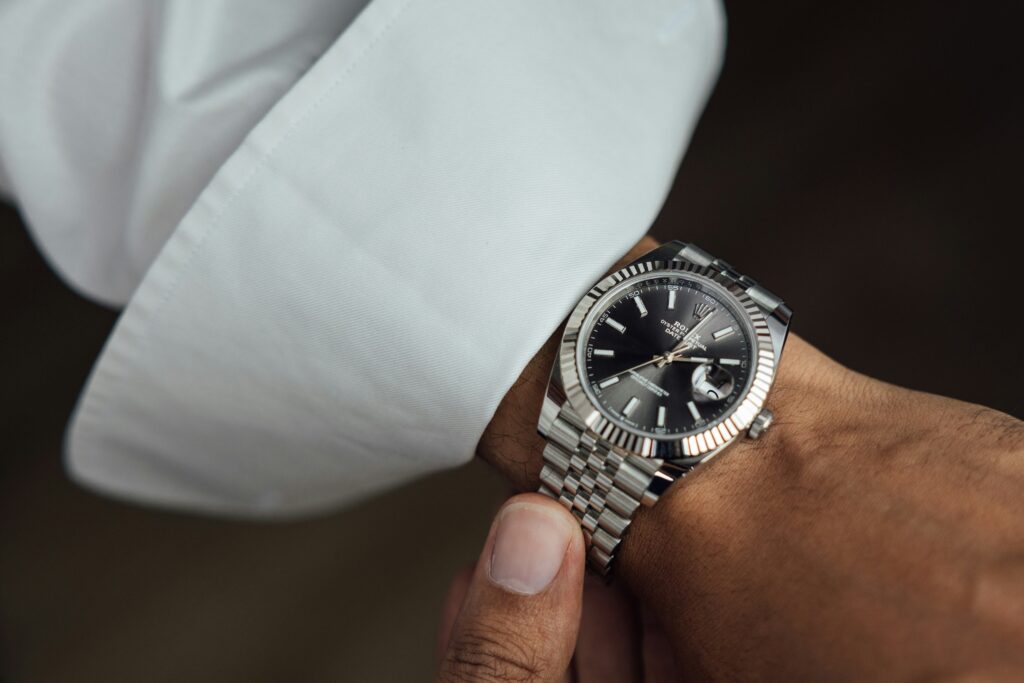
The bracelet contributes significantly to how a luxury watch feels on the wrist, yet it’s often overlooked during the buying process. On older watches, particularly sports models that have been worn regularly, bracelet wear can become more noticeable over time.
Things to Check:
- Bracelet stretch
- Loose or worn links
- Clasp condition
- Replacement components
- Overall tightness and feel
A well-maintained bracelet should feel secure and balanced. Excessive stretch doesn’t necessarily make a watch unwearable, but it can affect both comfort and value. For buyers considering a Rolex sports model, bracelet condition can be almost as important as the watch head itself.
The Dial Deserves Extra Attention
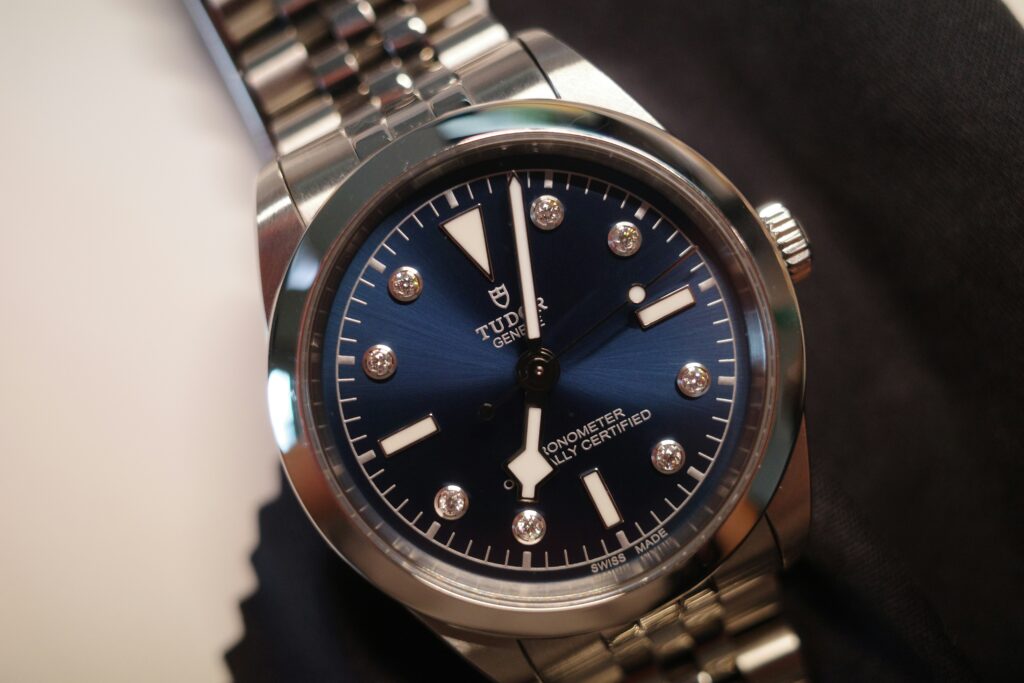
If the case tells you how a watch has been worn, the dial often tells you how it has been cared for. Because the dial is the visual focal point of any watch, even minor issues can have a significant impact on appearance and collectability.
Look for consistency, the dial, hands and hour markers should feel cohesive.
Things worth checking include:
- Discolouration
- Uneven ageing
- Moisture damage
- Marks or spotting
- Dust beneath the crystal
Some ageing can be attractive, particularly on vintage watches, but it should appear natural and consistent.
Be Cautious With Refinished Dials
A refinished dial isn’t always a deal-breaker, but it should be disclosed. Collectors often place greater value on originality, and a refinished dial can affect both desirability and resale appeal.
Trotters Top Tip: When reviewing online photographs, zoom in on the dial. It’s often where the most important clues can be found.
The Crystal Tells Its Own Story
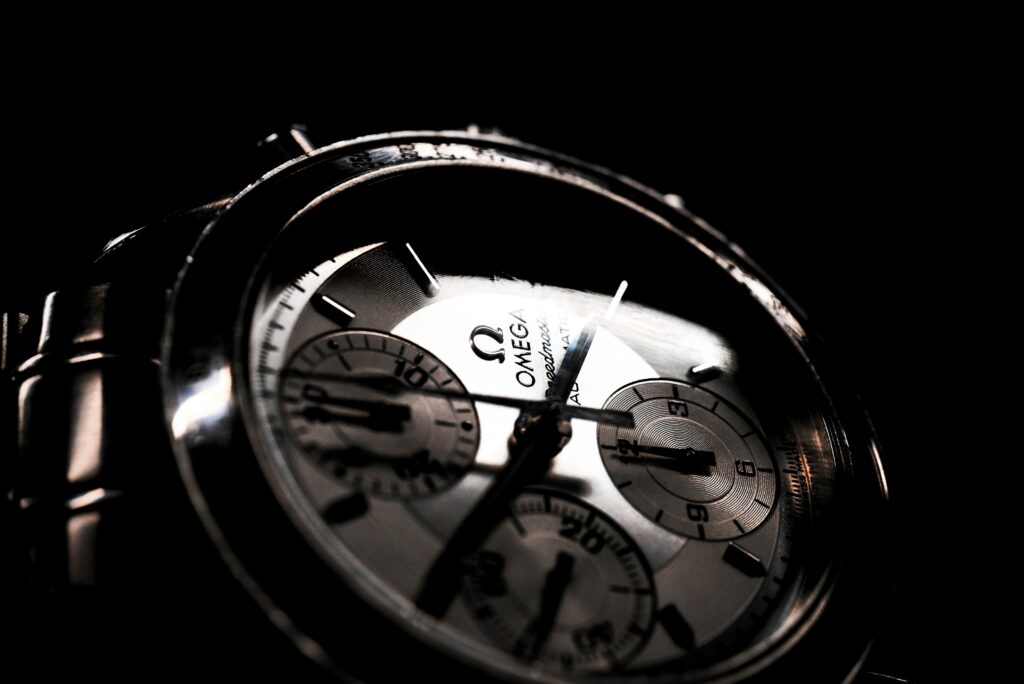
The crystal is designed to protect the dial, so naturally it tends to show signs of use. Depending on the age and type of watch, you may encounter:
- Light surface scratches
- Chips around the edge
- Cracks
- Replacement crystals
Modern sapphire crystals are highly scratch-resistant, but they aren’t immune to damage. Older acrylic crystals tend to mark more easily, although many scratches can be polished out.
When assessing condition, pay particular attention to the crystal edges, where damage is often most noticeable.
Service History Matters, But Not Always How You Think
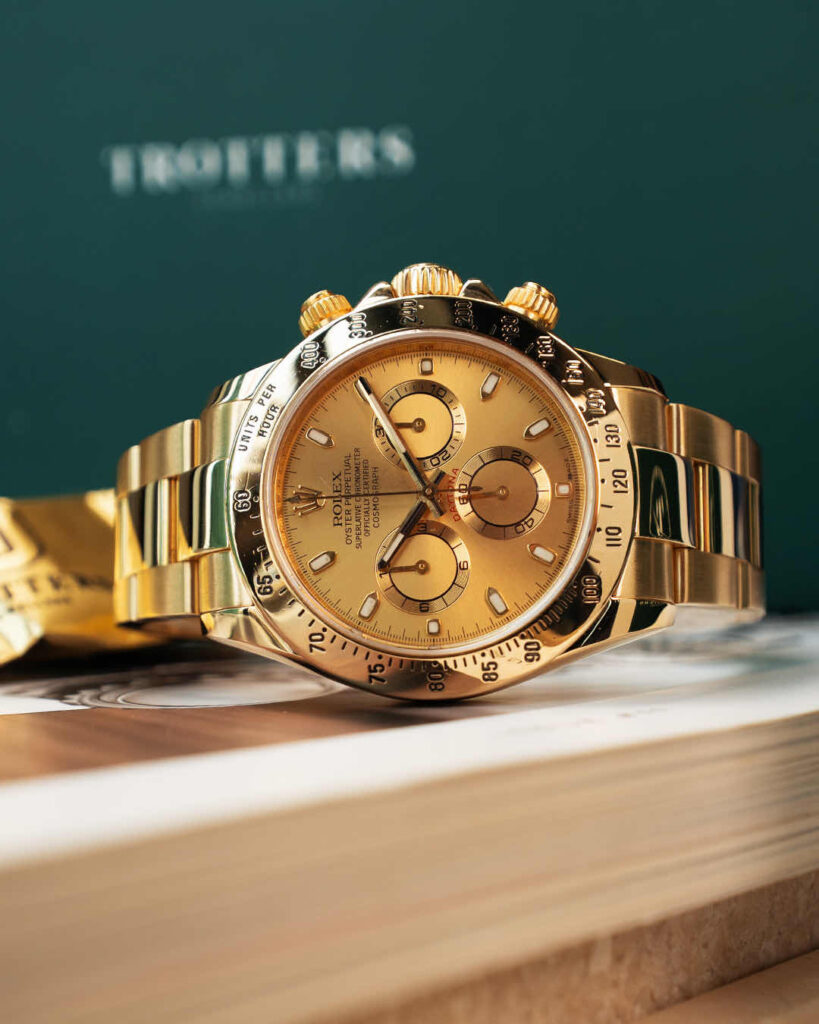
One of the biggest misconceptions in the pre-owned watch market is that paperwork automatically guarantees a better watch. While service history is certainly useful, it’s only part of the picture.
For example, a watch that has recently been serviced and inspected may offer greater peace of mind than one with extensive historical paperwork but no recent maintenance.
Questions worth asking include:
- Has the watch been serviced recently?
- Who carried out the work?
- Are there service records available?
- Has the watch been pressure tested if applicable?
If you’re interested in learning more, our guide on How Often Should You Service a Rolex Watch? explores servicing and maintenance in greater detail.
Original Parts vs Replacement Parts
Luxury watches are designed to be serviced and maintained over time. As a result, it’s perfectly normal for certain components to have been replaced during the watch’s life.
Common examples include:
- Crowns
- Bezels
- Hands
- Crystals
- Bracelets
The key question isn’t whether parts have been replaced, but whether those replacements are appropriate for the model and correctly disclosed. For collectors, originality often carries additional value. For everyday buyers, functionality and condition may be the higher priority.
How Important Are Box and Papers?
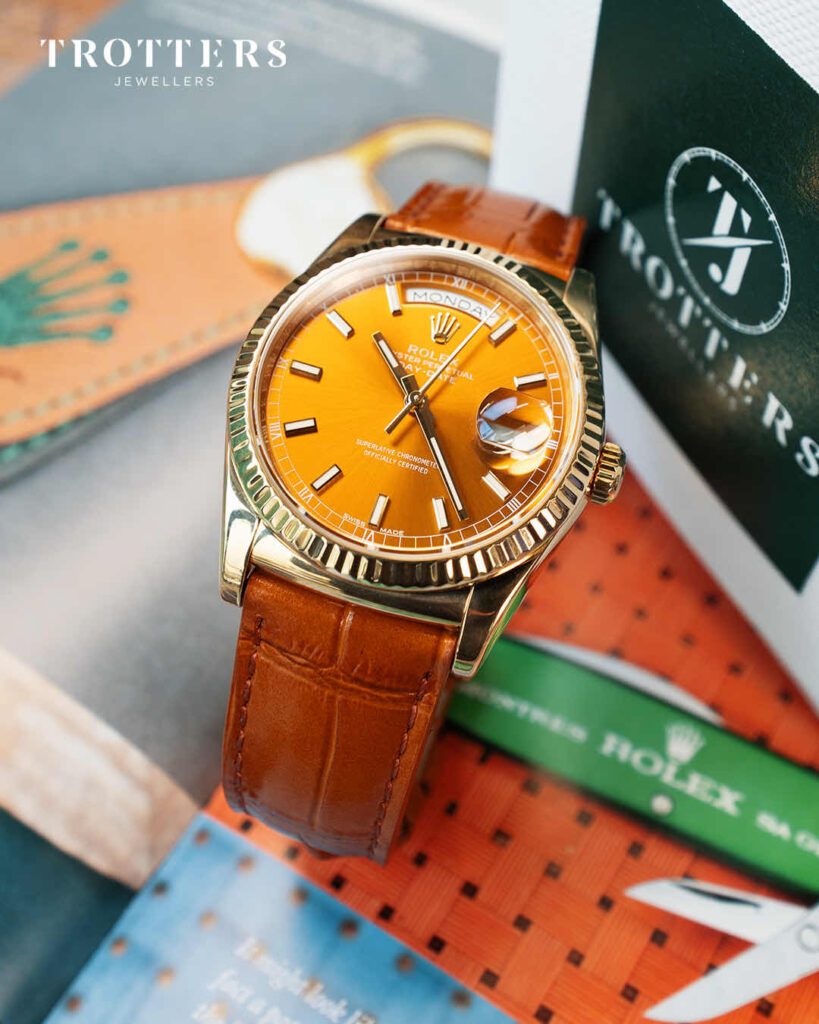
Few topics generate more discussion among watch buyers. The truth is that box and papers are nice to have, but they’re rarely the most important factor.
A watch without its original box and papers can still be an excellent purchase if the condition, provenance and pricing are right. That said, complete sets often appeal more strongly to collectors and may help support resale value in the future.
When evaluating a watch, condition should generally take priority over accessories.
To find out more about box and papers, check out our extensive guide – What do Box and Papers Really Mean?
Buying Online? Here’s What to Ask For
Purchasing online has become increasingly common, but it does require a slightly different approach. Before committing to a purchase, consider asking for additional photographs and request close-ups of:
- The dial
- Bracelet
- Clasp
- Case sides
- Lugs
Timekeeping Information
Understanding how the watch is currently performing can provide valuable insight into its condition.
Service Information: Ask whether the watch has been serviced or inspected recently.
Condition Reports: Reputable sellers should be able to provide a clear description of condition rather than relying solely on photographs.
Warranty Details: A warranty can provide additional reassurance and demonstrate confidence in the watch being sold.
Common Mistakes First-Time Buyers Make
Over the years, we’ve seen a few recurring mistakes.
Focusing Only on Cosmetic Marks
Minor wear is normal. Structural condition often matters more.
Ignoring Bracelet Wear
The bracelet can have a major impact on comfort and value.
Assuming All Original Means Better
Originality is important, but functionality and condition should not be overlooked.
Buying Solely on Price
An unusually cheap watch may not always represent good value.
Skipping Research
Before buying, it’s worth understanding the model you’re considering. Our guides comparing models such as the Rolex Submariner, Datejust and GMT-Master, as well as articles exploring brands such as Cartier, Omega and Tudor, can help buyers make more informed decisions.
Watch Condition Inspection Checklist
| Area to Check | What to Look For | Why It Matters |
| Case | Sharp edges, defined lugs, even finishing, no excessive polishing | Over-polishing can permanently alter the original shape of the watch |
| Bracelet or Strap | Bracelet stretch, clasp wear, loose links, overall condition | A worn bracelet can affect comfort, appearance and value |
| Dial | Consistent ageing, clean markers, no moisture damage or spotting | The dial is often the most important factor for collectability and presentation |
| Crystal | Scratches, chips, cracks or edge damage | Damage can affect both appearance and long-term durability |
| Service History | Recent servicing, maintenance records, pressure testing | Helps indicate how well the watch has been maintained |
| Original Parts | Correct hands, bezel, crown and other components | Originality can influence collectability and resale value |
| Box & Papers | Original documentation and accessories where available | Not essential, but often desirable for collectors |
| Seller Reputation | Reviews, warranty, transparency and authentication process | A reputable seller reduces risk and provides greater peace of mind |
What We Look For at Trotters
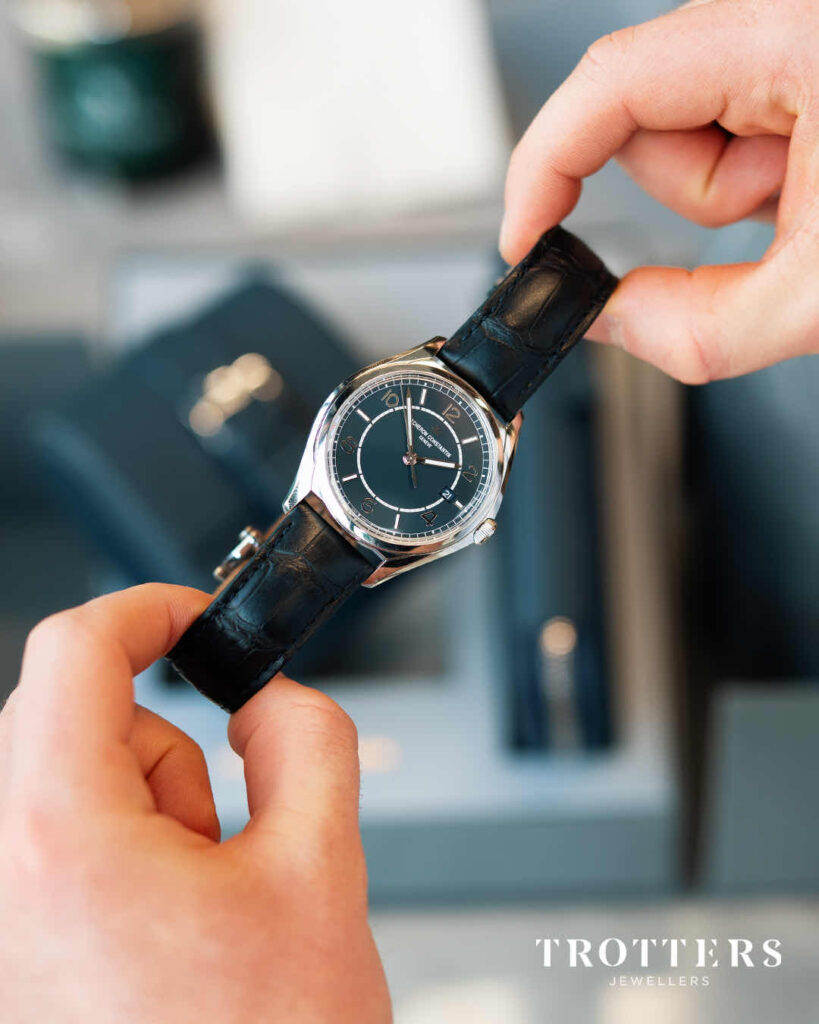
Every pre-owned watch that enters our collection undergoes a detailed assessment before being offered for sale.
We evaluate:
- Overall case condition
- Bracelet and clasp wear
- Dial and handset condition
- Crystal condition
- Mechanical performance
- Originality and authenticity
- Presentation and completeness
Our goal isn’t simply to identify flaws. It’s to understand the overall quality and integrity of the watch, ensuring buyers receive accurate descriptions and complete transparency. That process helps create confidence for both first-time buyers and experienced collectors.
Buying a Pre-Owned Watch With Confidence
Understanding watch condition takes practice, but knowing where to look can make the buying process significantly easier.
By paying attention to the case, bracelet, dial, crystal and service history, you’ll gain a much clearer picture of how a watch has been cared for and what to expect as an owner.
At Trotters Jewellers, we specialise in sourcing and selling pre-owned luxury watches from some of the world’s most respected brands, including Rolex, Cartier, Omega, Tudor, Patek Philippe and Audemars Piguet.
Whether you’re purchasing your first pre-owned watch or adding to an existing collection, taking the time to assess condition properly will help you buy with confidence and enjoy your watch for years to come.
About the Author
Written by the Trotters Jewellers team, specialists in pre-owned luxury watches and certified diamond jewellery since 1991, based in the City of London.