
 Buy
Buy Sell
Sell Exchange





Jun
If you’re considering a luxury watch, there’s a good chance you’ve found yourself comparing Omega and Rolex.
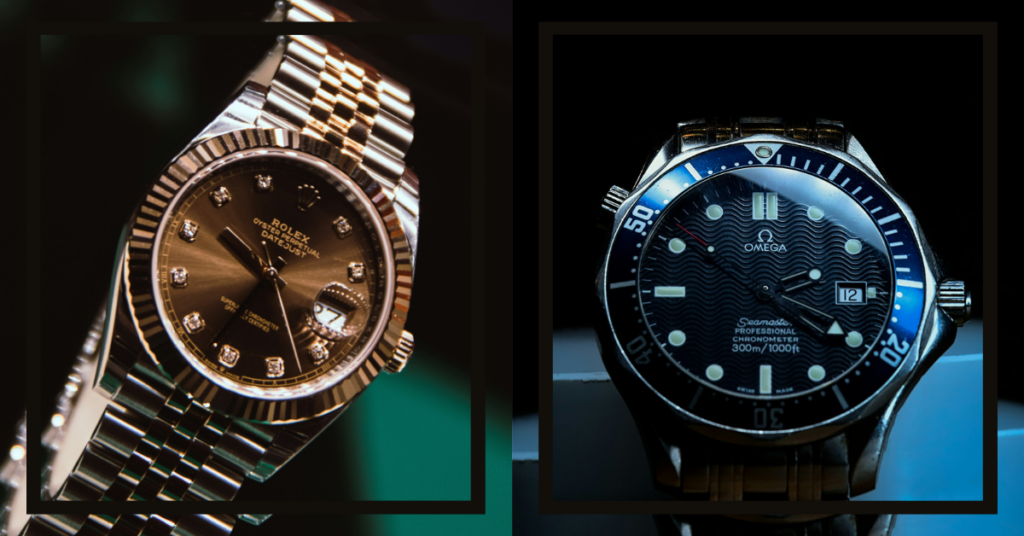
It’s an understandable comparison. Both brands sit at the very top of Swiss watchmaking, both have produced some of the most recognisable watches ever made and both have built reputations that extend far beyond the watch industry itself. Yet despite often being mentioned in the same conversation, Omega and Rolex appeal to buyers for very different reasons.
The question isn’t necessarily which brand is better. It’s which brand is right for you.
At Trotters Jewellers, we regularly help clients compare pre-owned Rolex and Omega watches side by side. While there are similarities between the two, the factors that ultimately influence the decision are rarely technical specifications. More often, it comes down to personal taste, collecting goals and how you intend to wear the watch.
In this guide, we’ll explore the differences between Omega and Rolex, explain how they compare in the pre-owned market and help you decide which brand is the better fit for your collection.
Omega vs Rolex at a Glance
| Category | Rolex | Omega |
| Brand Recognition | Exceptional | Very Strong |
| Heritage | Exploration, sport and tool watches | Space, diving and Olympic timekeeping |
| Model Variety | More focused catalogue | Wider range of designs |
| Everyday Wear | Excellent | Excellent |
| Pre-Owned Demand | Extremely strong | Strong |
| Investment Potential | Generally stronger | More model dependent |
| Best For | Buyers seeking iconic designs and long-term recognition | Buyers who value variety, heritage and innovation |
Two Different Approaches to Watchmaking
One of the biggest differences between Omega and Rolex is the way each brand approaches watchmaking.
Rolex has built its reputation on refinement. Rather than introducing entirely new concepts every few years, the brand tends to evolve its watches gradually. A modern Submariner is instantly recognisable as a descendant of the original, even though the technology, materials and finishing have improved significantly over time.
That consistency is a major part of Rolex’s appeal. Buyers know what they’re getting, and many of the brand’s most popular models have remained remarkably familiar for decades.
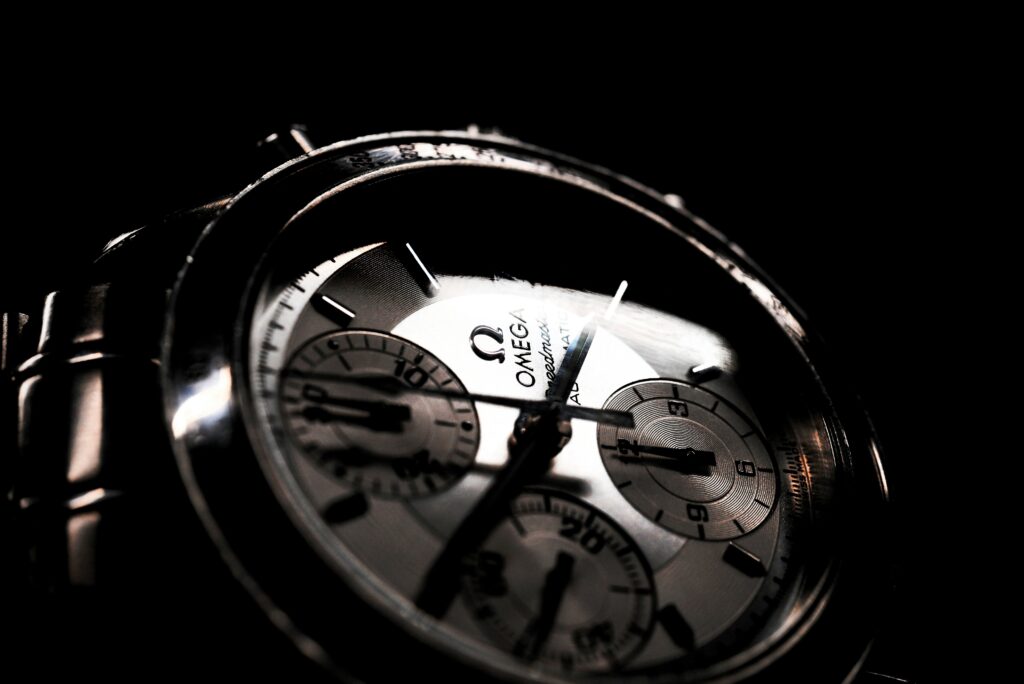
Omega has historically taken a slightly different approach. While the brand has its own iconic models, it has often been more willing to experiment with new technologies, movements and designs. This has created a broader catalogue and a wider range of ownership experiences. Whether you’re looking at a Speedmaster, Seamaster, Aqua Terra or Constellation, each brings something different to the table.
Neither philosophy is inherently better. They simply appeal to different types of buyers.
The Stories Behind the Brands
Luxury watches are rarely purchased on specifications alone. Part of the appeal comes from the stories, history and achievements that sit behind each model.
Rolex and the Pursuit of Reliability
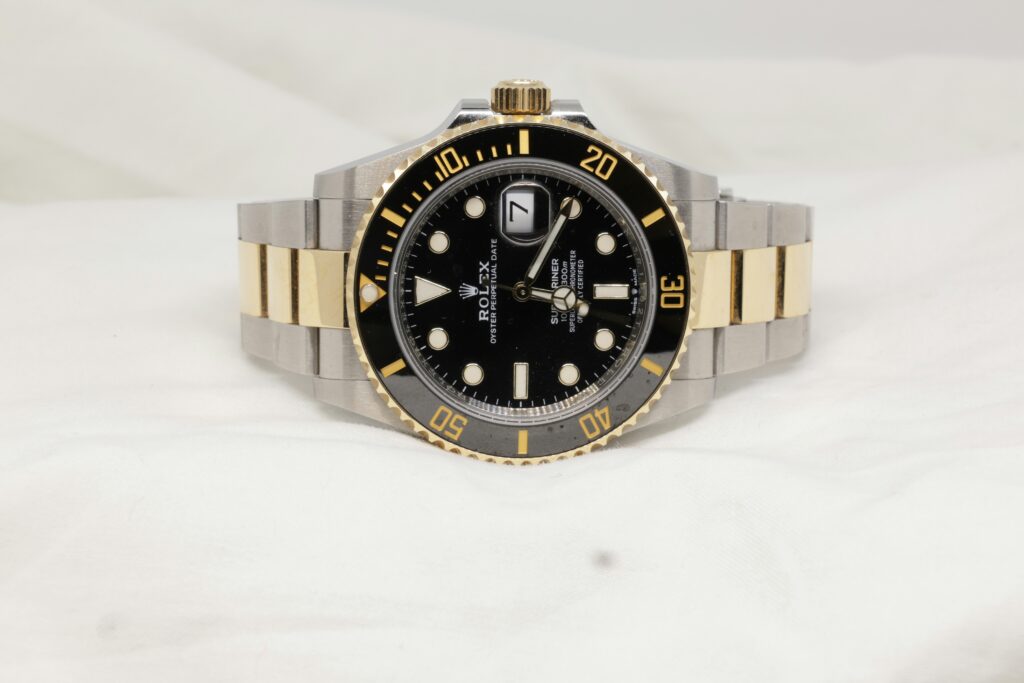
Rolex built its reputation through durability and reliability. From mountain expeditions to deep-sea exploration, the brand became known for producing watches that could withstand challenging environments. Much of Rolex’s modern identity still stems from those achievements, even as its watches have evolved into luxury icons.
This focus on practical performance is one of the reasons models such as the Submariner, GMT-Master and Datejust continue to resonate with collectors today.
If you’re interested in exploring Rolex’s most iconic references, our guide to Rolex Models Explained: Submariner, Datejust & GMT-Master provides a deeper look.
Omega and a Legacy of Exploration
Omega’s story is equally impressive, but often more varied. The brand has been involved in Olympic timekeeping for almost a century and played a central role in one of humanity’s greatest achievements when the Speedmaster became the first watch worn on the Moon.
That connection continues today. As we explored in our recent guide to Omega and the Artemis programme, Omega remains closely linked with modern space exploration. For many buyers, these stories are part of the attraction. An Omega often feels like a watch connected to a particular moment in history rather than simply a luxury accessory.
Which Brand Has the More Iconic Watches?
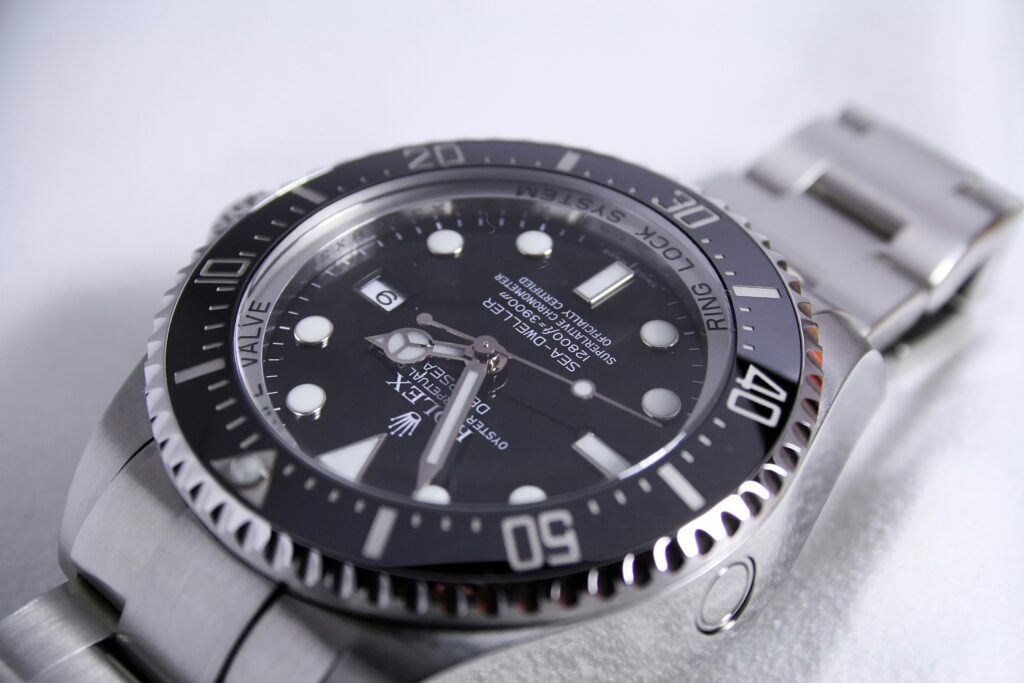
This is where the comparison becomes particularly interesting. Rolex arguably has the most recognisable catalogue in watchmaking. Even people with little interest in watches can often identify a Submariner, Datejust or Daytona from across a room as those models have become cultural icons as much as watches.
Omega’s icons are perhaps slightly more niche, but no less significant. The Speedmaster’s connection to NASA and the Apollo programme gives it a unique place in watchmaking history, while the Seamaster has spent decades establishing itself as one of the world’s most respected dive watches.
What’s interesting is that buyers often approach these brands differently. Many Rolex buyers arrive looking for a specific model. They want a Submariner, a GMT-Master or a Datejust. Omega buyers are often more open-minded. They may be comparing several different collections before deciding which one best suits their style and lifestyle.
Trotters Top Tip: One of the most common mistakes we see is comparing the entire Omega catalogue to the entire Rolex catalogue. A more useful approach is to compare watches that serve a similar purpose.
Which Brand Offers Better Value in the Pre-Owned Market?
This is one of the questions we hear most often, and the answer is more nuanced than many buyers expect.
Why Buyers Choose Rolex
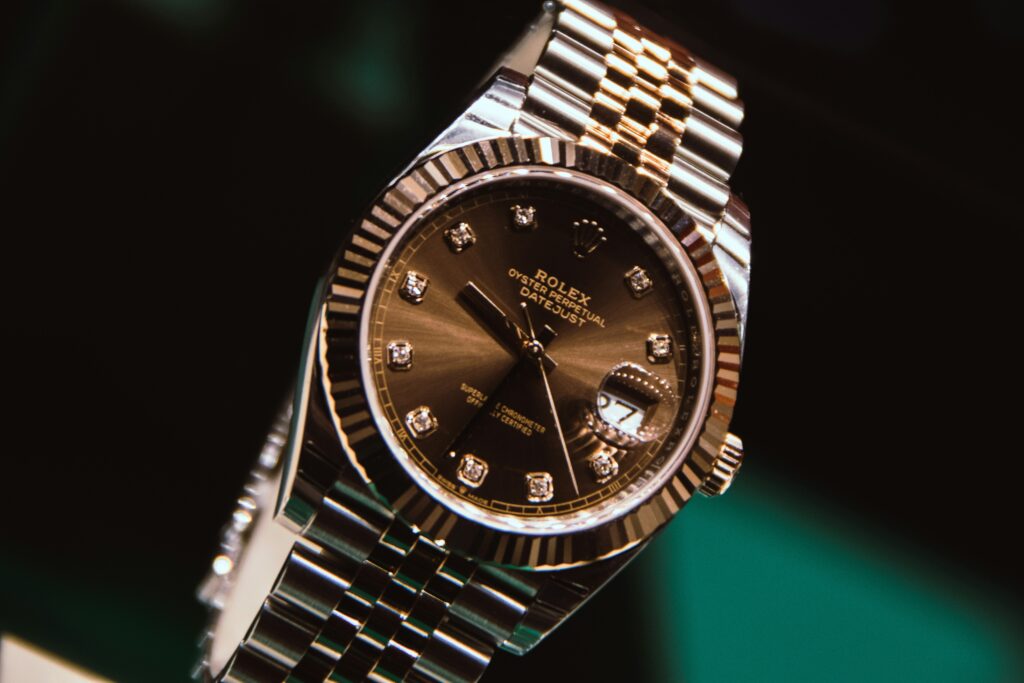
Rolex remains one of the strongest performers in the pre-owned market because demand has remained consistently high for decades.
Buyers are often drawn to:
- Strong brand recognition
- A proven track record
- Timeless designs
- Broad collector appeal
Many people purchasing their first luxury watch feel comfortable with Rolex because they already understand the brand and its reputation.
Why Buyers Choose Omega
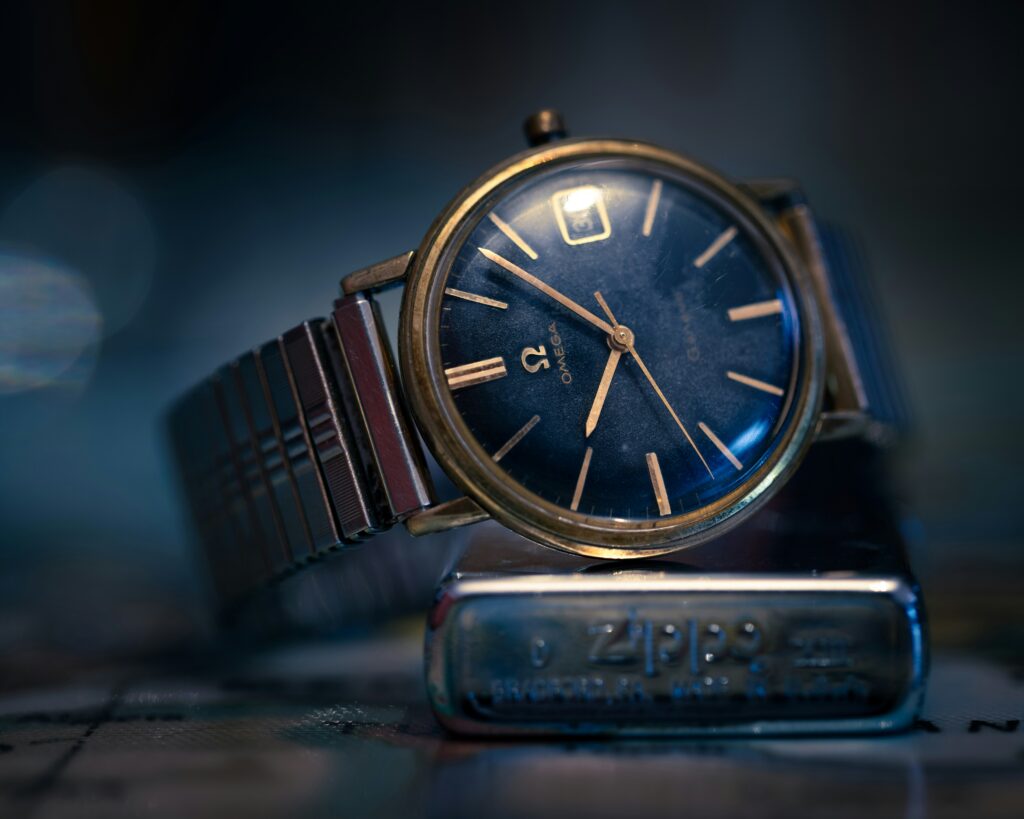
Omega attracts buyers for slightly different reasons.
The broader catalogue means there is often more variety available, which can make the buying process feel less restrictive. Buyers also appreciate the brand’s rich history and the fact that many iconic models remain relatively accessible in the pre-owned market. Rather than focusing solely on market demand, Omega buyers are often drawn to the individual watch and the story behind it.
Trotters Top Tip: The best value isn’t always found in the cheapest watch. It’s often found in the watch you’ll enjoy wearing for years to come.
Living With the Watch Day to Day
One thing that’s often missing from Omega vs Rolex comparisons is what happens after the purchase. The reality is that ownership tends to be very different from research.
Rolex buyers often arrive with a clear destination in mind. They may have spent months researching a particular model and know exactly what they want before they ever try it on.
Omega buyers often take a more exploratory approach. With a wider range of collections available, the decision tends to focus more on which watch feels right rather than which reference has the strongest reputation.
At Trotters, we’ve also noticed that many collectors eventually own both brands.
A Rolex often becomes the cornerstone of a collection because of its familiarity and enduring appeal. Omega frequently enters the collection later because it offers something different, whether that’s the Speedmaster’s space heritage or the Seamaster’s diving pedigree. In practice, the two brands often complement each other rather than compete directly.
Investment Potential
Whenever Rolex and Omega are discussed, the conversation eventually turns to value retention.
Rolex has historically enjoyed stronger demand in the secondary market, which has helped support pricing across many references. That doesn’t mean every Rolex increases in value, but the brand’s consistency is difficult to ignore.
Omega is more nuanced as certain references have performed exceptionally well, while others are purchased primarily for enjoyment rather than investment potential. The outcome often depends on the model, condition, originality and broader market trends. For most buyers, we believe investment should be viewed as a secondary consideration.
A watch that genuinely suits your taste and lifestyle is far more likely to be enjoyed than one purchased purely because of speculation.
Who Should Buy a Rolex?
Rolex may be the right choice if:
- You appreciate timeless, instantly recognisable designs.
- You want a watch that can comfortably be worn in almost any setting.
- You value strong brand recognition and heritage.
- You’re looking for a cornerstone piece that could remain in your collection for decades.
Rolex’s greatest strength is its consistency. Very few brands have maintained such a clear identity over such a long period of time.
Who Should Buy an Omega?
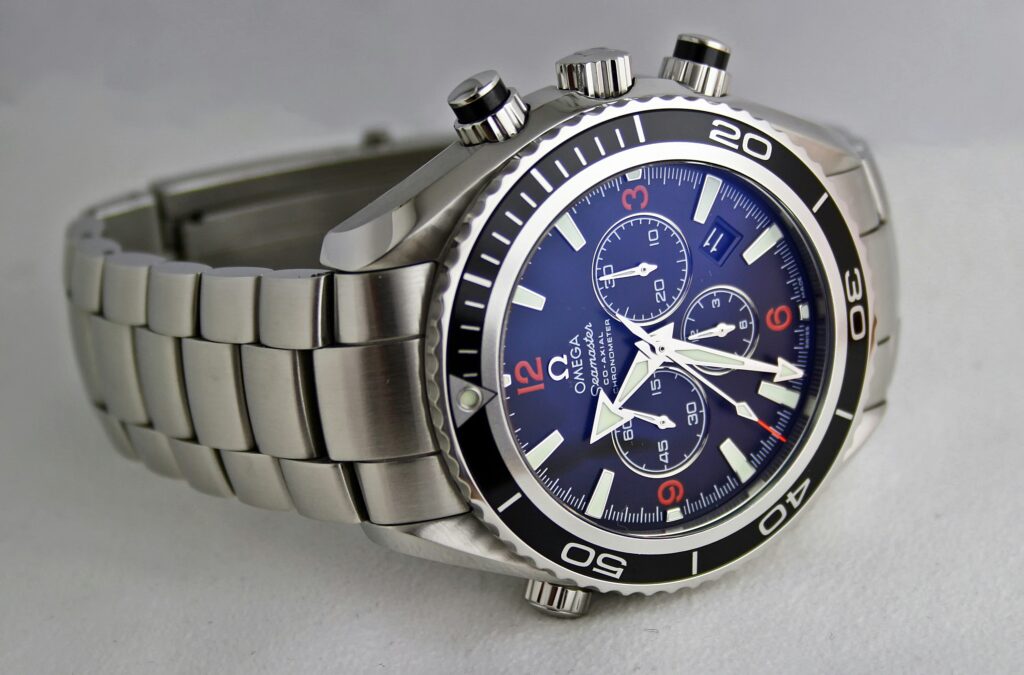
Omega may be the better fit if:
- You enjoy the stories and history behind watches.
- You appreciate variety within a collection.
- You value innovation and technical development.
- You’re looking for an iconic watch that feels slightly less predictable.
Omega’s appeal often lies in its ability to offer something distinctive while still carrying the credibility of one of Switzerland’s most respected manufacturers.
So, Omega or Rolex?
The answer depends entirely on what you’re looking for. Rolex tends to appeal to buyers seeking familiarity, enduring recognition and designs that have stood the test of time. Omega often attracts those who enjoy variety, innovation and the rich stories behind some of the most important watches ever made.
Both brands have earned their place among the world’s most respected watchmakers. Rather than asking which brand is objectively better, a more useful question is which one feels right for you. That’s usually where the decision becomes much easier.
Buying a Pre-Owned Omega or Rolex at Trotters
At Trotters Jewellers, we specialise in sourcing and selling pre-owned luxury watches from many of the world’s most respected brands, including Rolex and Omega. Every watch is carefully inspected before being offered for sale, with accurate condition descriptions, transparent photography and a focus on helping buyers make informed decisions.
Whether you’re considering your first luxury watch or adding to an existing collection, our team is always happy to help you compare models and find the watch that best suits your needs.
About the Author: Written by the Trotters Jewellers team, specialists in pre-owned luxury watches and certified diamond jewellery since 1991, based in the City of London.