
 Buy
Buy Sell
Sell Exchange





Jewellery
Why Diamond Tennis Bracelets Never Go Out of Style
Aug
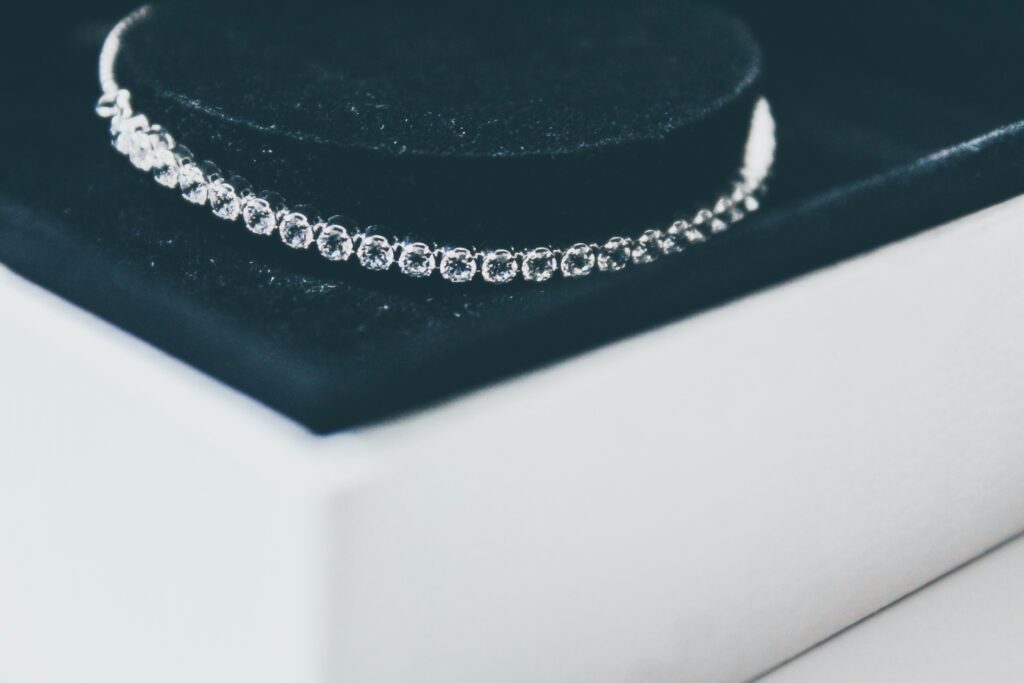
Some jewellery trends are easy to place in a particular decade. The diamond tennis bracelet isn’t one of them. Its appeal comes largely from its simplicity: a continuous line of diamonds, carefully matched and set to follow the wrist. There’s no oversized centre stone or elaborate design competing for attention, yet the effect is unmistakably luxurious.
That balance has allowed the tennis bracelet to move effortlessly between generations, occasions and changing styles. Today, both natural and lab-grown diamond bracelets remain among the most recognisable designs in fine jewellery, worn everywhere from everyday settings to weddings and red carpets.
At Trotters Jewellers, we’ve seen how easily a great tennis bracelet can become one of the most-worn pieces in a jewellery collection. So, what is it about such a simple design that has given it so much staying power?
From Diamond Line Bracelet to Tennis Bracelet
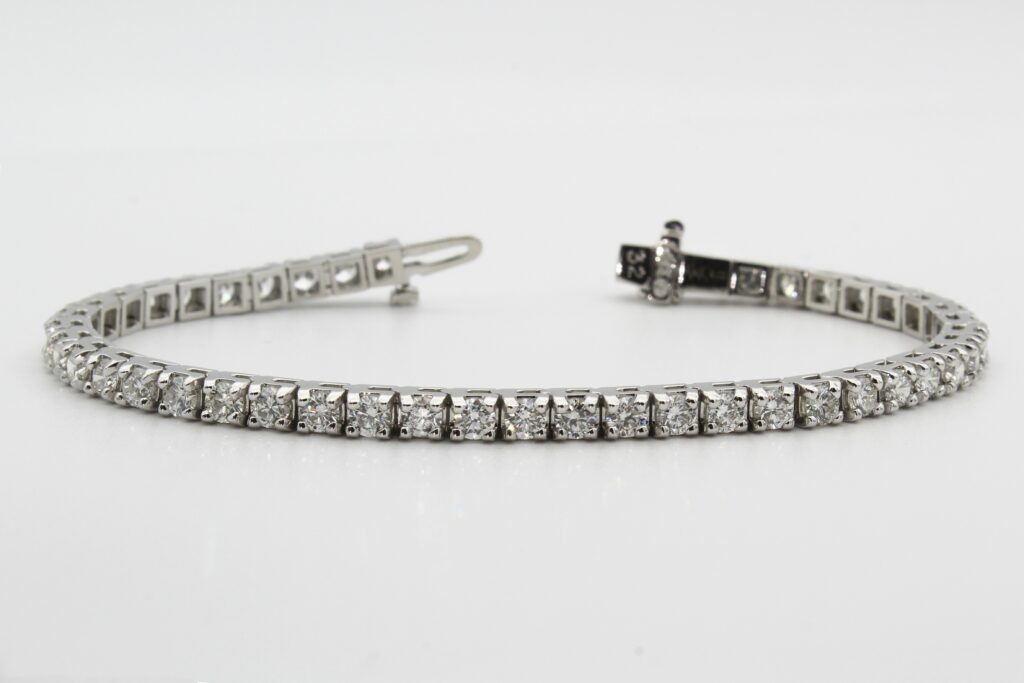
The design we now recognise as the tennis bracelet existed long before anyone called it one.
For decades, flexible bracelets featuring a continuous row of diamonds were generally known as diamond line bracelets. The style was already established in fine jewellery, but its modern name has a rather more unexpected connection to professional sport.
Tennis champion Chris Evert was known for wearing diamond jewellery while competing during the 1970s and 1980s. The story most often associated with the name comes from a match in which her diamond bracelet came off on court, prompting play to stop while it was recovered.
The incident helped connect the elegant line bracelet with Evert and tennis, and over time the term “tennis bracelet” became the familiar name for the design. Whatever you call it, the underlying concept has remained remarkably consistent: individually set diamonds connected in a flexible line around the wrist.
And that’s precisely why it has lasted!
The Design Has Barely Needed to Change
The best jewellery designs don’t always need reinvention. A tennis bracelet works because almost every element serves a purpose. Remove the diamonds and you lose the brilliance. Add too much decoration and you risk losing the clean simplicity that makes the design so recognisable.
Unlike a ring or pendant, there isn’t necessarily one diamond intended to dominate the design. Instead, the effect comes from repetition. Well-matched diamonds create an uninterrupted line of brilliance around the wrist, allowing the bracelet to catch the light from different angles as it moves.
That consistency matters. Differences between neighbouring diamonds can become surprisingly noticeable when they’re positioned side by side, which is why careful matching is such an important part of a well-made tennis bracelet.
It Moves With the Wrist
A tennis bracelet isn’t a rigid bangle, the individual settings are connected so the bracelet can flex and follow the shape of the wrist. Done well, this makes a substantial piece of diamond jewellery feel surprisingly natural to wear.
The movement also contributes to its appearance. As the bracelet moves, different diamonds catch the light rather than remaining fixed in one position.
There’s No Single Focal Point
This is one of the biggest differences between a tennis bracelet and many other pieces of diamond jewellery. A solitaire ring or pendant is usually designed around one central diamond. A tennis bracelet distributes the visual impact across the entire piece.
That makes carat weight feel very different. Rather than asking how large one diamond should be, you’re considering how the size of multiple diamonds affects the width, brilliance and overall presence of the bracelet.
Simplicity Doesn’t Date Easily
Perhaps the biggest reason tennis bracelets have remained relevant is that there’s very little about the fundamental design to go out of fashion. Diamond sizes, settings and precious metals can change, but the idea of a clean line of diamonds around the wrist remains remarkably adaptable. A bracelet bought decades ago can still look completely at home alongside contemporary jewellery today.
One Bracelet, Very Different Ways to Wear It
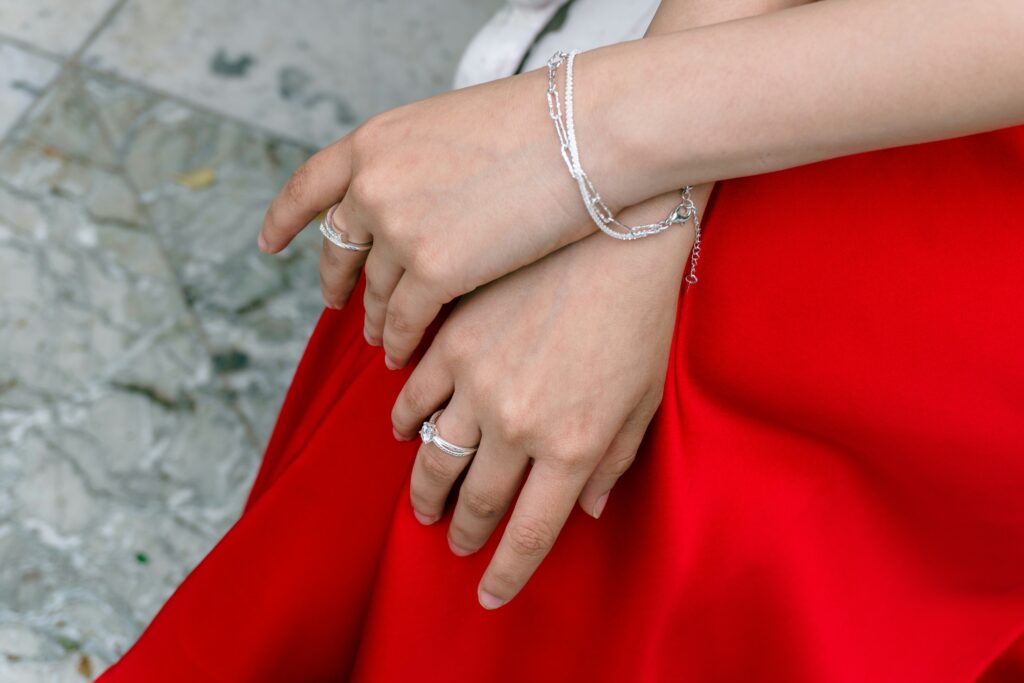
The tennis bracelet may have traditional roots, but there’s nothing particularly formal about how it needs to be worn today and that’s part of its appeal.
Worn on Its Own
Sometimes the simplest approach is the strongest! A tennis bracelet worn alone gives the diamonds space to make an impact without competing with other jewellery. Smaller stones can create a particularly refined look, while increasing the diamond size gives the same basic design considerably more presence.
Worn Beside a Watch
Diamond bracelets and luxury watches can work extremely well together, particularly when there’s some visual connection between the metals or overall proportions. The key is balance. A very substantial bracelet beside an equally bold watch can quickly become crowded, while a finer tennis bracelet can introduce diamond detail without overwhelming the watch.
It’s also worth considering practical contact between the pieces. Jewellery constantly rubbing against a watch case or bracelet can create unnecessary scratches, so some owners prefer wearing them on opposite wrists.
Added to a Bracelet Stack
A tennis bracelet doesn’t have to be surrounded by more diamonds. Pairing one with plain gold bracelets, bangles or different textures can make the diamonds stand out more clearly. It also creates a less formal look that can be changed depending on the occasion.
There’s no fixed formula here. A good stack should feel personal rather than perfectly matched!
Dressed Up for an Occasion
The same design can easily take on a more formal character. Higher total carat weights and larger individual diamonds naturally create more impact, making tennis bracelets particularly well suited to weddings, celebrations and evening wear.
That’s the clever part of the design: you don’t need a completely different bracelet for a different occasion. How you wear it can change the effect.
Why Tennis Bracelets Make Such Memorable Gifts
Some pieces of jewellery are closely tied to one particular occasion. A tennis bracelet isn’t.
It can mark an anniversary, milestone birthday, wedding, graduation or personal achievement without feeling overly specific to that moment. Years later, the bracelet remains just as wearable even though the reason it was originally given still carries meaning.
There’s also less guesswork involved than with some other jewellery gifts. You don’t need to secretly find out someone’s ring size, and the clean design works with a wide range of personal styles.
If you’re choosing one for someone else, their existing jewellery can give you useful clues. Pay attention to the metal they normally wear, whether their pieces tend to be delicate or more substantial, and how much diamond jewellery they already own.
For a major celebration, increasing the diamond size can give the bracelet more presence. For someone whose jewellery is usually understated, a finer tennis bracelet may be something they’re more likely to wear regularly.
The most impressive option on paper isn’t necessarily the best gift. A bracelet that feels right for the person receiving it is far more likely to become part of their everyday collection.
Natural or Lab-Grown Diamond Tennis Bracelets?
The classic tennis bracelet works beautifully with both natural and lab-grown diamonds.
Both are real diamonds with the same physical and optical properties, so choosing between them doesn’t fundamentally change how the bracelet looks, sparkles or wears. The difference is their origin and what you want to prioritise when making your purchase.
Natural diamonds continue to appeal to buyers who value their geological origin and rarity. Lab-grown diamonds offer another option, often providing greater flexibility around diamond size, quality and overall carat weight at a particular budget.
That can be especially relevant to a tennis bracelet. Unlike a solitaire pendant or engagement ring centred around one main diamond, a tennis bracelet can contain dozens of individually set stones. Increasing the size of every diamond can therefore have a significant effect on both the total carat weight and the visual impact of the finished piece.
At Trotters Jewellers, our diamond bracelet collection includes both natural and lab-grown options, allowing you to compare different designs, diamond sizes and finishes.
What Makes a Great Diamond Tennis Bracelet?
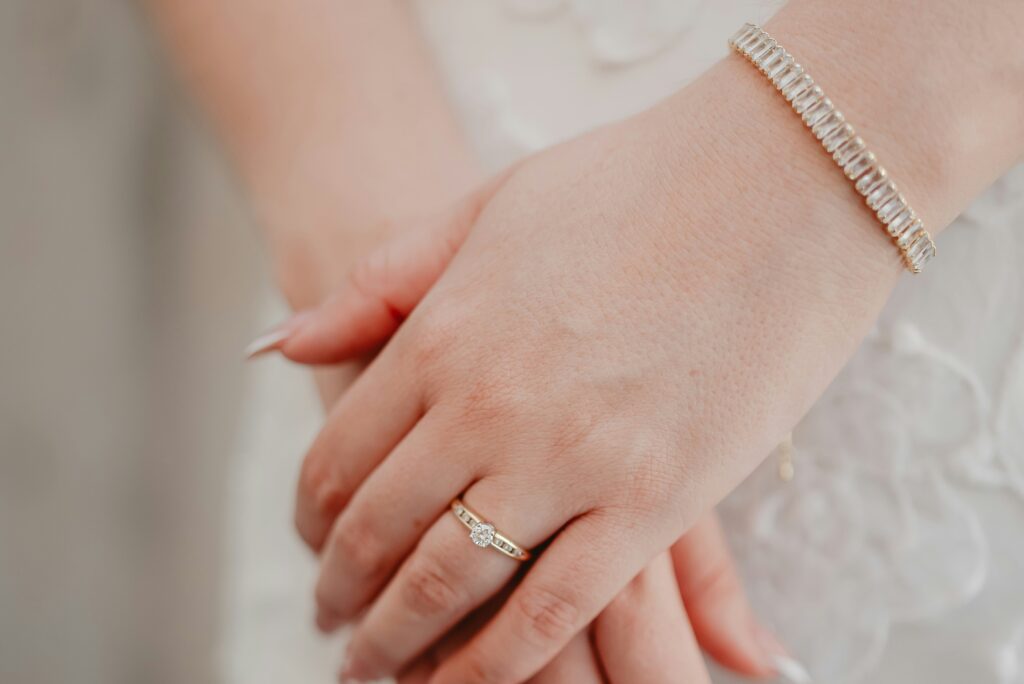
Total carat weight is useful, but it doesn’t tell you everything about the quality of a tennis bracelet. You’re looking at a complete piece of jewellery made up of many individual components, and they all need to work together.
Look at the Diamonds as a Group
Consistency matters enormously in a tennis bracelet because the diamonds sit directly beside one another. Noticeable variations in colour, size or appearance can interrupt the continuous line that makes the design so effective.
Well-matched diamonds create a much more balanced result. Rather than one stone catching your attention for the wrong reason, the bracelet should appear cohesive from one end to the other.
Pay Attention to the Setting
There’s a fine balance between securing each diamond and surrounding it with too much metal. The settings need to hold the stones firmly while allowing the diamonds to remain the visual focus. Look at the bracelet from different angles and consider whether the craftsmanship feels consistent throughout.
Check How It Moves
Pick up a tennis bracelet and its flexibility should immediately become apparent.
The links need enough movement for the bracelet to follow the wrist comfortably without feeling stiff. At the same time, the construction should feel controlled and secure rather than excessively loose. This is one of those details that’s difficult to appreciate from carat weight or diamond specifications alone.
Don’t Ignore the Clasp
With so much attention on the diamonds, the fastening is easy to overlook. A tennis bracelet is valuable jewellery worn on a part of the body that’s constantly moving. A secure, well-made clasp is therefore an important part of the overall design, and some bracelets include an additional safety mechanism for extra reassurance.
Make sure you understand how the clasp operates and that you’re comfortable fastening it properly.
Think About the Fit
A tennis bracelet shouldn’t be so tight that it restricts movement, but excessive looseness can make it uncomfortable and more vulnerable to catching. Ideally, it should have enough room to move naturally around the wrist while still feeling secure.
If you’re buying one as a gift and aren’t sure about sizing, speak to the jeweller before purchasing rather than relying purely on guesswork.
Look Beyond the Carat Weight
Two tennis bracelets with the same total diamond weight won’t necessarily look or feel identical. Diamond matching, individual stone size, setting style, flexibility, metalwork and overall proportions all influence the finished piece. Compare the bracelet as a whole rather than judging it by one specification.
Why the Tennis Bracelet Still Works
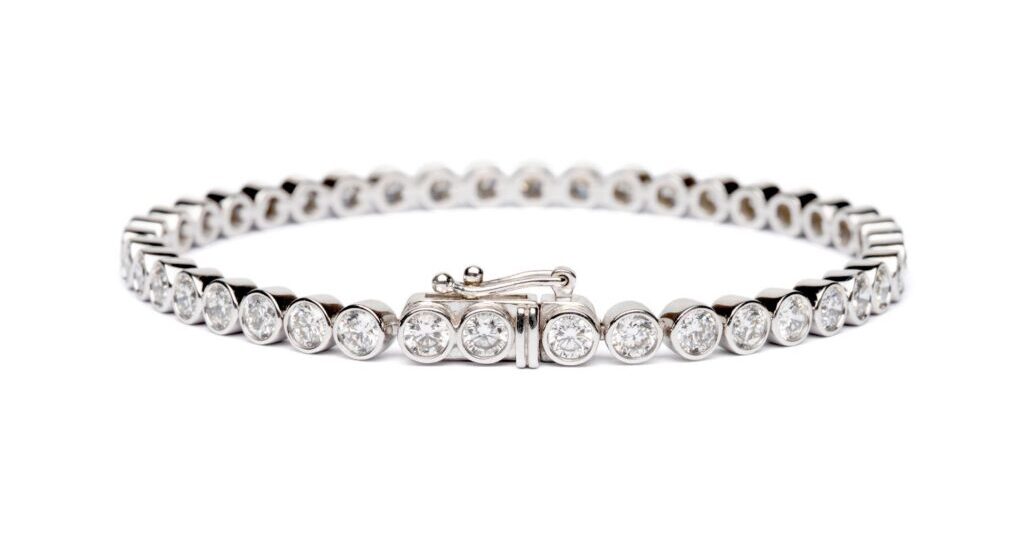
The tennis bracelet has survived decades of changing jewellery trends without needing to become something fundamentally different.
That’s because its appeal isn’t dependent on a particular fashion moment. It’s built around something much simpler: beautifully matched diamonds arranged in a balanced, wearable design.
It can be understated or extravagant. It can sit beside a luxury watch, become part of a contemporary bracelet stack or be worn completely on its own. Natural and lab-grown diamonds have expanded the choices available, but the underlying design remains immediately recognisable.
Very few pieces of jewellery manage to feel both special and easy to wear. The tennis bracelet does, and that’s a large part of why it continues to earn its place in modern jewellery collections.
Explore Diamond Tennis Bracelets at Trotters Jewellers
At Trotters Jewellers, our collection includes natural and lab-grown diamond bracelets, with tennis bracelets sitting at the heart of the range alongside diamond line and multi-stone designs.
Whether you’re choosing a bracelet to mark a milestone, searching for a luxury gift or adding an iconic design to your own collection, our experienced jewellery team can help you compare diamond options, carat weights, metals and styles.
Explore our diamond bracelets online or visit our Liverpool Street showroom to see the collection in person.
You can also discover our wider lab-grown diamond jewellery collection, including diamond necklaces and pendants, diamond earrings and diamond rings, with pieces to suit everything from everyday wear to life’s biggest celebrations.
About the Author
Written by the Trotters Jewellers team, specialists in pre-owned luxury watches and certified diamond jewellery since 1991, based in the City of London.